
Smart Packing Tips for Your Chicago Home Move: How to Pack Efficiently and Protect Your Belongings
Moving to a new home in Chicago is more than simply placing belongings into boxes and transporting them to another address.
Packing is the stage that determines how organized, safe, and stress-free your entire relocation will be.
Whether you are moving from a downtown Chicago high-rise, a classic walk-up apartment in Lincoln Park, a condo in River North, or a suburban home in areas like Evanston, Glenview, Naperville, or Oak Park, proper packing helps protect your belongings and makes moving day much easier.
A well-prepared packing strategy saves time, protects your belongings, and allows professional movers to work more efficiently.
This guide explains the best packing tips for a Chicago home move, how to protect fragile items, when professional packing services make sense, and how to prepare for moving day.
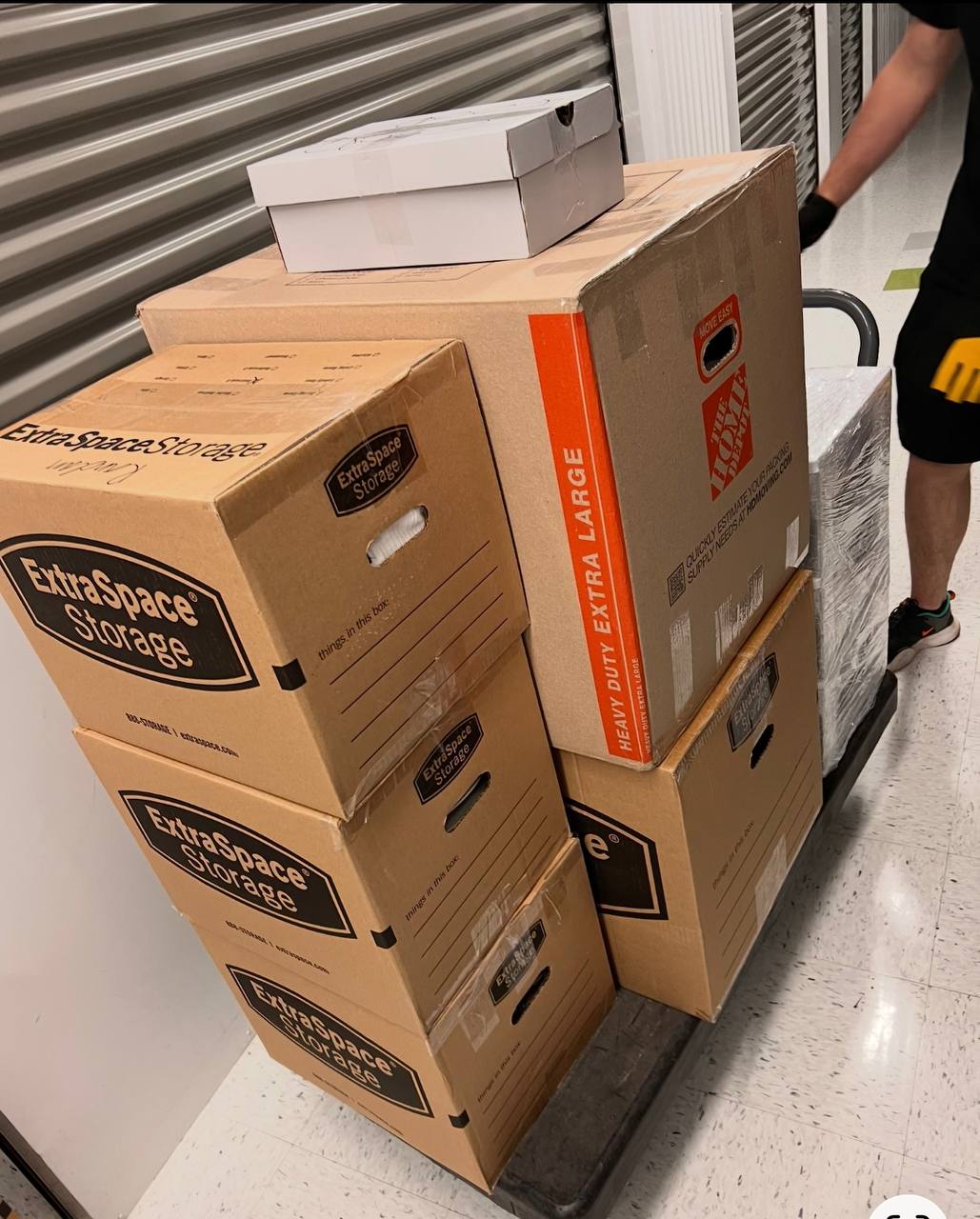
Start With an Essentials Box
One of the most common packing mistakes is putting away everything you own without preparing the items you will need immediately after arriving at your new home.
After a long moving day, the last thing you want is to open dozens of boxes searching for your toothbrush, phone charger, or coffee maker.
Before packing your household items, prepare an Essentials Box or a small suitcase with everything you may need during the first 24–48 hours.
Your essentials box should include:
- Personal Items
- Toiletries, towels, basic hygiene products, change of clothes, comfortable shoes, sleepwear.
- Kitchen Basics
- Plates and cups, utensils, coffee maker or tea supplies, snacks, bottled water, basic cooking items.
- Important Documents and Electronics
- Identification documents, lease or closing paperwork, phone chargers, laptop chargers, important keys, basic tools.
- Health and Family Needs
- Medications, first-aid supplies, children's necessities, pet supplies.
Keep this box separate and clearly labeled so it does not get loaded with regular household boxes. Having essentials immediately available allows you to settle into your new home without unnecessary stress.
Create a Packing Plan Before You Start
Many people begin packing without a strategy and quickly become overwhelmed. A simple plan makes the process faster and more organized.
Before packing:
- Create a Room-by-Room Inventory: Walk through your home and identify what needs to be moved. Pay attention to areas people often forget: closets, kitchen cabinets, garage storage, basement areas, attics, balconies, and storage rooms. These spaces often contain more belongings than expected and can significantly affect moving time.
- Pack Non-Essential Items First: Start with items you rarely use, such as seasonal clothing, decorations, books, extra kitchen supplies, and guest room items. Leave everyday necessities until closer to moving day. This approach keeps your home functional while gradually preparing everything for relocation.
- Prepare a Moving Supplies Checklist: Having the right materials prevents delays and protects your belongings. Recommended packing supplies include strong moving boxes, packing paper, bubble wrap, packing tape, stretch wrap, furniture blankets, labels, markers, and zip-lock bags for hardware.
Using proper materials is especially important for long-distance-style handling, apartment buildings, and moves involving stairs or elevators. If you prefer not to gather supplies yourself, our full packing service includes all necessary high-quality materials.
Protecting Fragile Items During a Chicago Move
Fragile belongings require careful preparation. Dishes, glassware, electronics, artwork, mirrors, and sentimental items can easily become damaged if they are packed incorrectly.
The goal is to prevent movement inside the box and create enough protection against impact during transportation.
Use Quality Packing Materials
Not all boxes provide the same level of protection. Thin grocery boxes or reused boxes may collapse under weight, especially when stacked inside a moving truck.
For valuable or fragile belongings, consider:
- Dish Boxes: Designed specifically for plates, bowls, and glassware, these boxes often include dividers that prevent items from touching each other.
- Double-Walled Boxes: Stronger boxes are useful for books, small appliances, electronics, and heavy household items.
- Specialty Materials: Bubble wrap for electronics and glass, moving blankets for furniture, stretch wrap for drawers and upholstery, and packing paper for dishes and decorative items.
Wrap Items Individually
One of the biggest packing mistakes is placing multiple fragile items together without protection. Each item should be wrapped separately.
- Wrap every plate individually.
- Protect each glass with paper or bubble wrap.
- Cover electronics before placing them into boxes.
- Separate decorative items with padding.
Never place fragile objects directly against each other because movement during transportation can cause cracks or scratches.
Fill Empty Spaces Inside Boxes
Empty space allows items to move during transportation. After placing items inside a box, fill remaining gaps with packing paper, bubble wrap, towels, blankets, or soft clothing. A properly packed box should feel stable when gently moved. However, avoid overpacking boxes. Excessive weight can make them difficult to carry and increases the risk of damage.
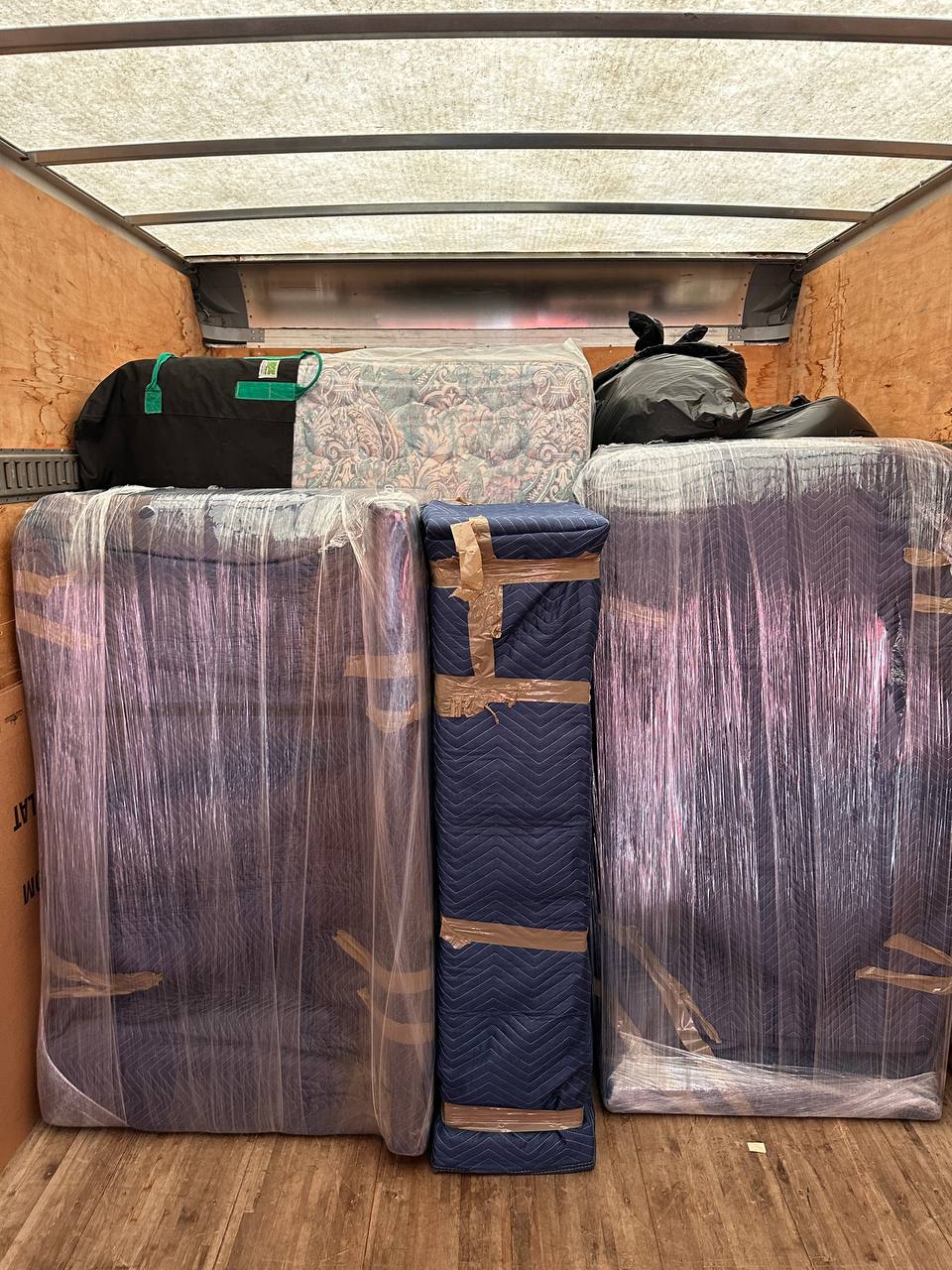
Label Boxes Clearly for a Faster Chicago Move
A good labeling system is one of the simplest ways to make moving day more organized. When boxes are clearly marked, movers can immediately place them in the correct rooms at your new home. This saves time during unloading and makes the unpacking process much easier.
A common mistake is writing only general descriptions such as "Kitchen stuff," "Miscellaneous," or "Important." These labels usually do not provide enough information after a long moving day.
Room-Based Labeling System
The easiest approach is labeling boxes by destination room. Examples: Kitchen, Primary Bedroom, Kids’ Room, Bathroom, Living Room, Home Office, Garage, Storage. This allows movers to quickly identify where each box belongs.
For larger homes, you can also add a short description: "Kitchen — Glassware," "Bedroom — Winter Clothes," "Office — Electronics," "Garage — Tools." This makes unpacking significantly faster.
Use Color Coding for Larger Moves
For bigger homes or multi-room relocations, color coding can make organization even easier. Assign a different color to each room (e.g., Kitchen — Blue, Bedroom — Green). Place colored tape or labels on each box and use matching signs at your new home. This system is especially useful when multiple movers are unloading at the same time.
Number Your Boxes
For larger Chicago moves, a numbering system provides extra control. Example: "Kitchen 1/12," "Kitchen 2/12," "Bedroom 1/8." This helps you track the total number of boxes, confirm everything arrived, identify missing items quickly, and prioritize unpacking.
Packing Electronics Safely
Electronics require careful handling because they often contain sensitive components that can be damaged by impact, moisture, or incorrect packing.
Before packing electronics:
- Keep Original Boxes When Possible: Manufacturer packaging is designed specifically for the item and often provides the best protection.
- If original boxes are unavailable: Use sturdy boxes, wrap items with protective materials, avoid empty spaces, and label boxes as fragile.
- Take Photos Before Disconnecting: Before unplugging complicated electronics, take photos of cable connections, router setup, entertainment systems, and computer equipment. These photos make reconnecting everything much easier after moving.
- Protect Screens: Items such as TVs, monitors, and large displays should be protected with original packaging, TV boxes, moving blankets, or protective covers. Never place heavy boxes on top of electronics during transportation.
Furniture Disassembly: Why Preparation Matters
Large furniture items often require disassembly before moving. This is especially common in Chicago apartments where movers may need to navigate narrow hallways, small elevators, tight staircases, and older building entrances.
Disassembling furniture helps prevent scratches and damage, makes items easier to transport, reduces risk to walls and door frames, and improves loading efficiency.
Furniture Items That Often Need Disassembly
Common examples include platform beds, bed frames, bunk beds, large dining tables, sectional sofas, office desks, entertainment centers, and shelving systems. Before moving day, identify which items may require additional preparation.
Tips for Safe Furniture Disassembly
- Keep Hardware Organized: Small parts are easy to lose. Place screws, bolts, and brackets into labeled bags (e.g., "Master Bedroom Bed — Hardware"). Attach the bag securely to the furniture piece or keep all hardware in one clearly marked container.
- Protect Furniture Surfaces: Use moving blankets, stretch wrap, and furniture pads to prevent scratches, dents, dirt, and moisture exposure.
- Take Photos Before Taking Furniture Apart: Complex furniture can be difficult to rebuild without instructions. Before disassembly, take pictures from multiple angles, photograph connections, and save manufacturer instructions if available.
When Should You Hire Professional Packing Services in Chicago?
Packing an entire home requires time, organization, and physical effort. Some homeowners prefer handling everything themselves, while others choose professional packing services to save time and reduce stress.
Why Professional Packing Can Reduce Moving Stress
Many customers underestimate how physically demanding packing can be. A full home move involves sorting hundreds of items, lifting boxes repeatedly, protecting fragile belongings, and organizing furniture. Professional packing services allow homeowners to focus on other important moving tasks, such as updating addresses, managing utilities, preparing documents, and coordinating building requirements.
Complete Packing Checklist for Your Chicago Move
A detailed checklist helps prevent forgotten items and last-minute stress before moving day. Use this timeline to organize your packing process efficiently.
4–6 Weeks Before Moving
2–3 Weeks Before Moving
1 Week Before Moving
Moving Day Packing Tips
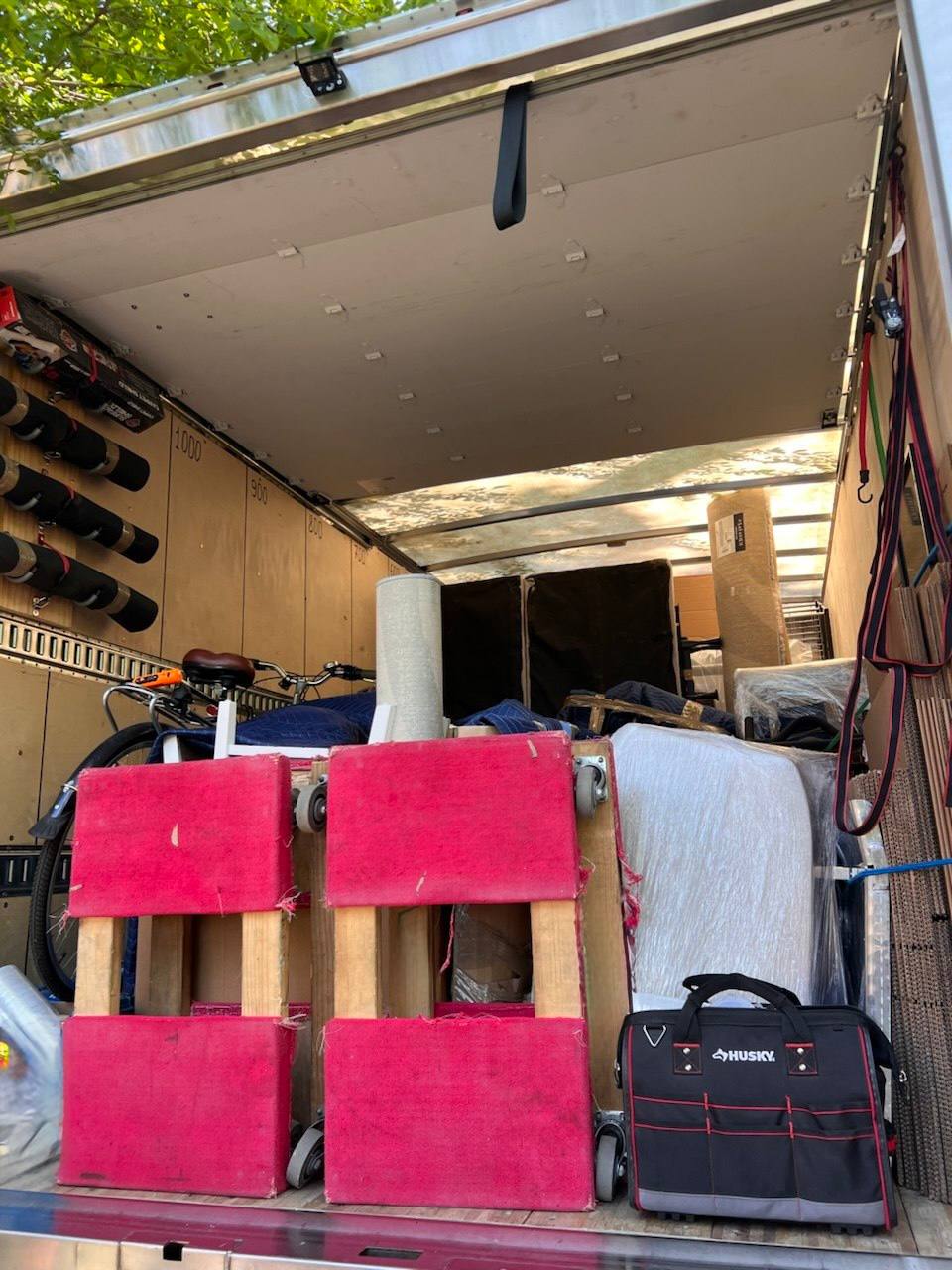
Packing Mistakes That Can Make Your Move More Difficult
Even small packing mistakes can create unnecessary problems during relocation. Avoid these common issues:
- Using Weak Boxes: Old or damaged boxes may break during transportation. Use strong moving boxes, especially for books, kitchen items, electronics, and heavy belongings.
- Making Boxes Too Heavy: A common mistake is filling large boxes with heavy items. For example, a large box full of books can become extremely difficult to carry. Instead, use smaller boxes for heavy items and larger boxes for lightweight belongings.
- Forgetting to Label Fragile Items: If movers do not know which boxes contain delicate belongings, they cannot provide the extra care those items require. Clearly mark "FRAGILE," "THIS SIDE UP," and "HANDLE WITH CARE" on multiple sides of the box.
- Packing Important Items in Random Boxes: Avoid mixing essential belongings throughout different boxes. Items you may need immediately after moving should stay together in your essentials box.
Chicago-Specific Packing Considerations
Moving in Chicago often comes with unique challenges depending on your home type.
Packing for High-Rise Apartment Moves
If you are moving from a downtown building, consider elevator reservations, building access rules, loading dock schedules, and limited moving windows. Pack boxes in a way that allows movers to quickly identify and transport items during the scheduled time.
Packing for Walk-Up Apartments
Older Chicago neighborhoods often include buildings with narrow staircases, multiple floors, and limited hallway space. Reduce difficulties by disassembling large furniture, securing loose parts, and removing unnecessary items before moving day.
Packing for Suburban Homes
Suburban moves often involve larger inventories. Pay special attention to garage equipment, outdoor furniture, yard tools, sports equipment, and basement storage. These areas are often underestimated during the planning stage.
Final Thoughts on Packing for a Chicago Move
Packing is one of the most important steps in creating a successful relocation. A carefully packed home means safer transportation, faster loading and unloading, easier unpacking, and less stress on moving day.
Whether you decide to pack everything yourself or hire professional packing services in Chicago, preparation makes the biggest difference. The right materials, organized labeling, and a clear plan help protect your belongings from the moment they leave your current home until they arrive at your new one.
Frequently Asked Questions About Packing Services in Chicago
How far in advance should I start packing for a move?
For most homes, it is best to begin packing several weeks before moving day. Starting early allows you to organize belongings, remove unnecessary items, and avoid last-minute stress. Small apartments may require less time, while larger homes with storage areas can take several weeks to prepare.
How much do professional packing services cost in Chicago?
The cost of professional packing depends on the size of your home, number of belongings, type of items being packed, and the amount of labor required. A smaller apartment with standard household items usually requires less packing time than a large home with fragile items, artwork, or specialty belongings. The best way to understand the cost is to request an estimate based on your specific move.
Should I pack before movers arrive?
Yes, unless you have requested professional packing services. Having boxes packed, sealed, and labeled allows movers to begin loading immediately and helps reduce the total moving time.
Do professional movers pack fragile items?
Many professional moving companies offer packing services for fragile belongings. Experienced packers know how to protect items such as glassware, artwork, electronics, mirrors, antiques, and valuable household items. Professional packing can reduce the risk of damage during transportation.
What should I not pack in moving boxes?
Certain items should usually stay with you instead of being packed in the moving truck. Examples include important documents, cash and valuables, personal medications, essential electronics, and important keys. Keep these items easily accessible throughout the move.