
Chicago Moving Checklist: How to Prepare for Your Move
A Chicago moving checklist helps organize one of the most stressful parts of relocation — preparing everything before moving day arrives. Whether you are moving between Chicago neighborhoods or relocating from the suburbs, having a clear timeline helps avoid last-minute problems.
Chicago moves often require more preparation than simply packing boxes. Apartment rules, parking restrictions, elevator reservations, weather conditions, and building access can all affect how smoothly the day goes.
A good plan allows you to manage your time, protect your belongings, and make sure everything is ready when the moving team arrives.
8 Weeks Before Moving Day: Start Planning
Two months before your move is the right time to create a basic relocation plan.
At this stage:
- decide what items you want to take with you;
- create a moving budget;
- compare moving options;
- check your new building requirements;
- choose your preferred moving date.
If you are moving from an apartment building, contact the management office early. Many Chicago buildings require residents to reserve elevators or follow specific move-in and move-out procedures.
Downtown buildings in areas like River North, Streeterville, and the Loop often have limited moving hours, making early planning especially important.
6 Weeks Before Moving: Organize Your Belongings
Many moving problems happen because people underestimate how much time sorting requires.
Before packing, divide your belongings into categories:
- items to move;
- items to donate;
- items to sell;
- items to dispose of.
Reducing unnecessary belongings can make your move faster and easier.
This is also the right time to measure large furniture pieces. Sofas, wardrobes, and oversized items may require additional planning, especially in Chicago walk-up apartments with narrow staircases.
4 Weeks Before Moving: Start Packing
Packing everything during the last few days is one of the most common mistakes.
A practical packing schedule:
| Time before move | What to pack |
|---|---|
| 4 weeks | Seasonal items, books, decorations |
| 3 weeks | Extra kitchen items, storage areas |
| 2 weeks | Clothing, electronics, personal items |
| 1 week | Daily-use items and essentials |
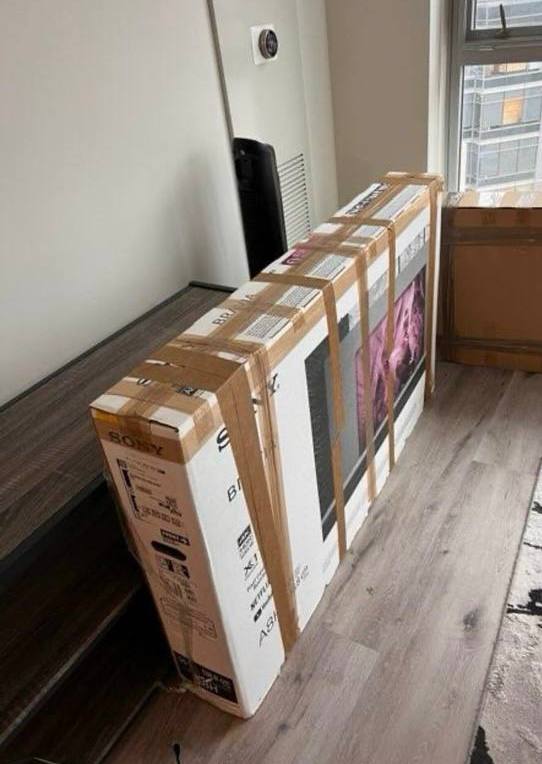
Professional Packing Services can be useful when there is limited time or when fragile items require additional protection.
Proper packing is not only about boxes. Furniture protection, labeling, and organization also help prevent damage and confusion during unloading.
2 Weeks Before Moving: Confirm Important Details
Two weeks before moving day, review all logistics.
Check:
- moving date and arrival time;
- building access rules;
- elevator reservation;
- parking options;
- address details;
- furniture that requires disassembly.
For Chicago apartment moves, parking is often overlooked. Some buildings have loading zones, while others require coordination with property management.
Moving Week: Final Preparation
During the final week, focus on the details that make moving day easier.
Prepare:
- important documents;
- medications;
- chargers;
- valuables;
- basic cleaning supplies;
- overnight essentials.
Create a separate box or bag that stays with you instead of being loaded into the truck.
Moving Day Checklist
Before movers arrive:
- ✓ Clear pathways
- ✓ Protect valuable items
- ✓ Confirm building access
- ✓ Keep important documents nearby
- ✓ Make sure boxes are labeled
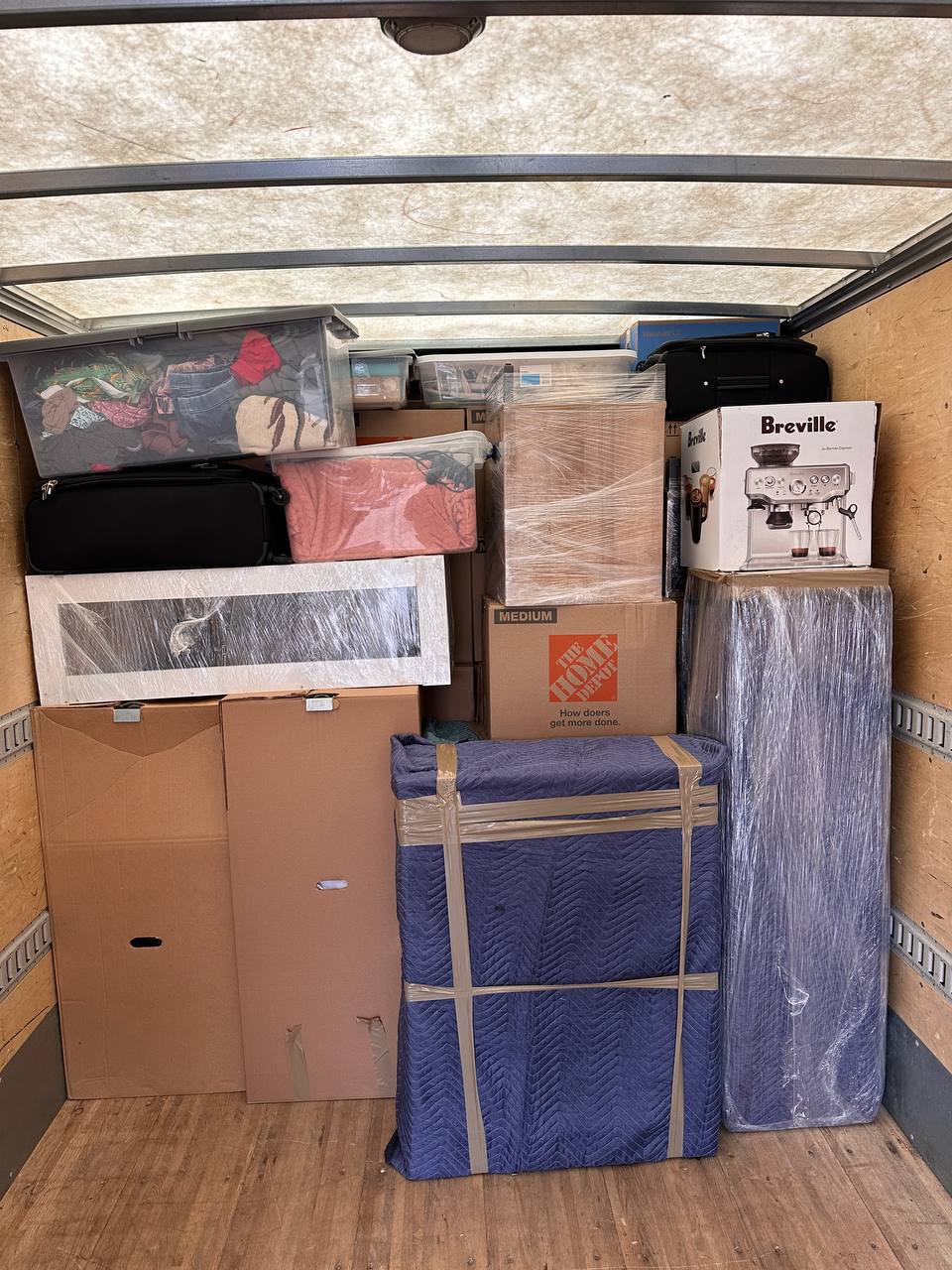
During the move, communication is important. Let the moving team know about fragile items, special instructions, and anything that requires extra attention.
Chicago-Specific Moving Challenges
Every city has its own relocation challenges, and Chicago is no exception.
Common issues include:
Parking limitations
Downtown Chicago neighborhoods can have limited loading space. Planning ahead helps avoid unnecessary delays.
Elevator restrictions
Many high-rise buildings require elevator reservations and specific move windows.
Weather conditions
Winter moves require additional preparation because snow and ice can affect walking paths and loading conditions.
Building regulations
Condominiums and apartment buildings often have their own moving policies.
Understanding these details before moving day helps create a smoother experience.
Expert Advice for a Better Move
The most successful Chicago moves usually have three things in common:
- Early preparation.
- Clear communication.
- Understanding building and neighborhood conditions.
A moving checklist is not just a list of tasks — it is a way to reduce unexpected problems and keep your relocation organized.
For local relocations, professional Chicago movers can help manage the challenges of city and suburban moves.
If you are planning a move in Chicago, IL or one of the surrounding suburbs, fill out the estimate form to receive a personalized calculation based on your addresses, inventory, and moving conditions.