
How to Choose a Moving Company in Chicago: What to Check Before Hiring Movers
Knowing how to choose movers in Chicago can help you avoid common problems during relocation. With many companies offering moving services across Chicago, IL and surrounding suburbs, it is important to understand what factors actually matter before making a decision.
A moving company is responsible for handling your personal belongings, furniture, and important items during one of the biggest transitions in your life. The right choice is not only about price — it is about communication, preparation, experience, and reliability.
Check Licensing and Authorization Before Hiring Movers
One of the first steps when choosing a moving company in Chicago is checking whether the company is properly licensed to operate in Illinois.
Professional movers should be able to provide clear information about their authorization and services.
A licensed moving company should have:
- proper registration for operating in Illinois;
- clear service terms;
- transparent pricing information;
- written estimates.
For customers, this helps create confidence that they are working with a legitimate business.
Understand What Is Included in the Moving Estimate
A moving estimate should clearly explain what services are included.
Before booking, ask about:
- hourly rates;
- number of movers;
- truck availability;
- furniture protection;
- loading and unloading;
- additional services.
A clear estimate helps both sides understand expectations before moving day.
Many misunderstandings happen when important details are not discussed in advance.
For example, customers may forget to mention:
- extra furniture;
- multiple flights of stairs;
- long walking distances;
- difficult parking conditions;
- large or fragile items.
Providing accurate information allows movers to prepare properly.
Look for Experience With Chicago Buildings
Chicago has a unique housing environment. A company that understands local conditions can better prepare for different types of moves.
Common situations include:
High-rise apartments
Buildings in areas like River North, Streeterville, and West Loop may require:
- elevator reservations;
- scheduled move windows;
- communication with building management.
Walk-up buildings
Older Chicago apartments often have:
- narrow staircases;
- limited access;
- challenging furniture placement.
Suburban homes
Moves outside the city often involve:
- larger furniture inventory;
- longer loading times;
- different parking conditions.
Local experience helps movers anticipate these challenges.
Compare Services, Not Only Prices
When comparing moving companies, look at the complete service package.
Different moves may require different support:
| Moving situation | Helpful services |
|---|---|
| Apartment relocation | Loading, unloading, furniture protection |
| Large home move | Packing, disassembly, full moving crew |
| Office relocation | Commercial planning and equipment handling |
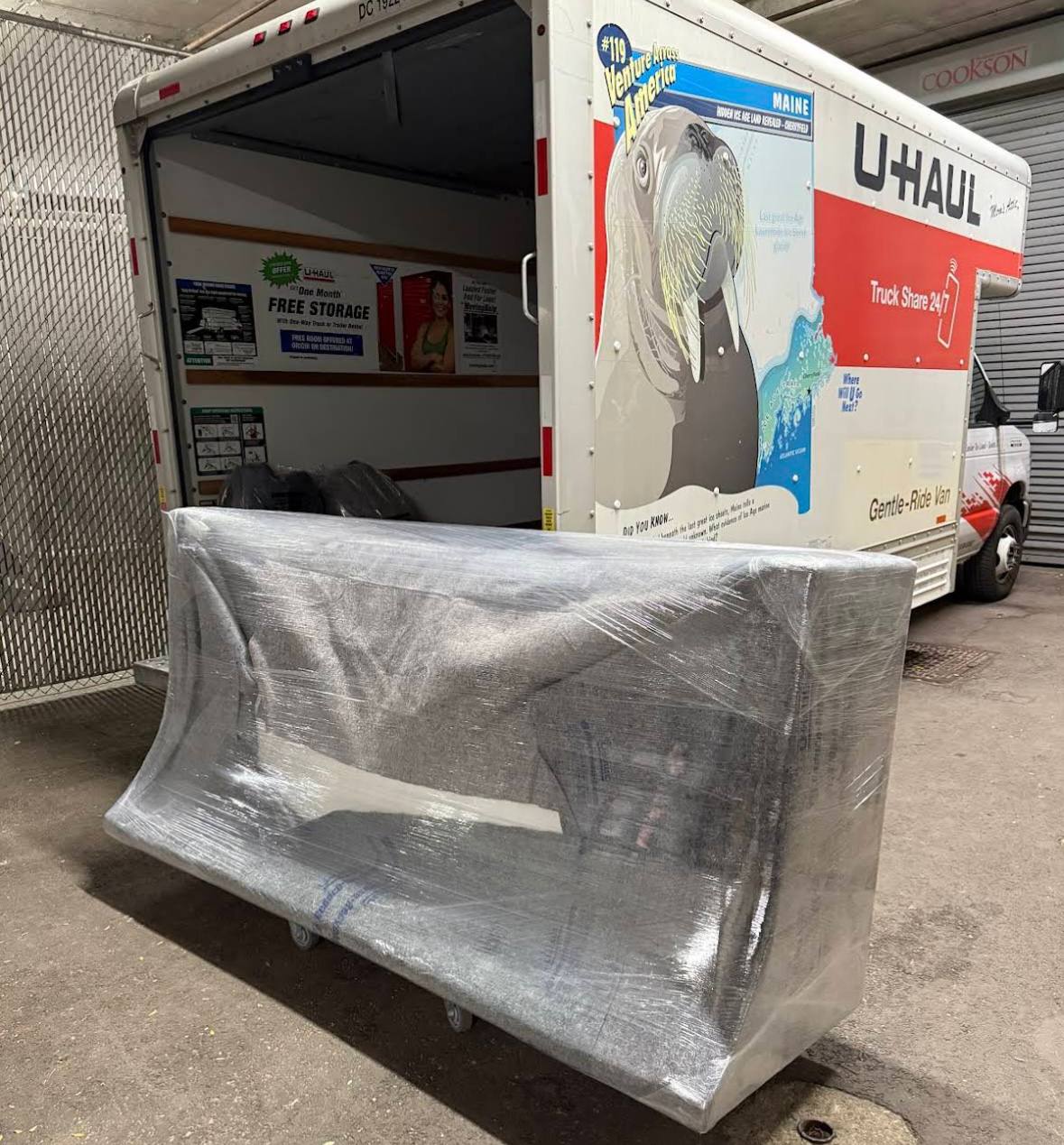
| Self-rented truck move | Loading and unloading labor |
For residential relocations, Residential Moving services can include the organization and handling required for homes and apartments.
Questions to Ask Before Booking Movers
Before choosing a moving company, consider asking:
- How is the estimate calculated?
- What information do you need before moving day?
- Are there additional charges?
- How are furniture items protected?
- What happens if building access changes?
Clear answers are a good indicator of professional communication.

Red Flags to Pay Attention To
Customers should be careful when a company:
- avoids providing written details;
- cannot explain pricing;
- does not ask about inventory;
- gives unclear answers about services;
- changes conditions without explanation.
A professional moving process starts with clear communication before the truck arrives.
Reading Reviews and Checking Reputation
While price and services are important, customer reviews can provide additional insight into a company's reliability. Look for patterns in reviews — consistent feedback about punctuality, careful handling, and clear communication is a good sign.
Be cautious of companies with many complaints about hidden fees, damaged items, or poor communication. A reputable mover will have a history of positive customer experiences.
Insurance and Liability Coverage
Understanding insurance options is an important part of choosing a moving company. Professional movers should explain what coverage is included and what additional protection options are available.
Questions to ask:
- What is the standard liability coverage?
- Are there options for additional protection?
- How are claims handled if something is damaged?
Expert Advice: Preparation Makes the Biggest Difference
The smoothest moves usually happen when customers and movers prepare together.
Before moving day:
- create an accurate inventory;
- discuss building restrictions;
- confirm parking options;
- identify large furniture items;
- communicate special requests.
Choosing a mover is only one part of relocation. Good preparation from both sides creates a better moving experience.
Final Thoughts
Choosing a moving company in Chicago requires more than comparing online listings. Licensing, communication, local experience, and transparent estimates are important factors that influence the quality of your relocation.
A professional mover should make the process clear from the first conversation until the final item is placed in your new home.
If you are planning a move in Chicago, IL or one of the surrounding suburbs, fill out the estimate form to receive a personalized calculation based on your addresses, inventory, and moving conditions.