
Moving Into a Chicago Apartment: Elevators, Parking, Walk-Ups & Building Rules
Apartment movers Chicago searches often come from people who are preparing for one of the most complicated types of relocation — moving into or out of an apartment building.
Unlike suburban homes, apartment moves in Chicago often involve additional planning. Elevator schedules, building rules, parking restrictions, and limited access can influence the entire moving process.
Whether you are moving into a high-rise in downtown Chicago, a condo in West Loop, or a walk-up apartment in Lincoln Park, understanding these details before moving day can prevent delays.
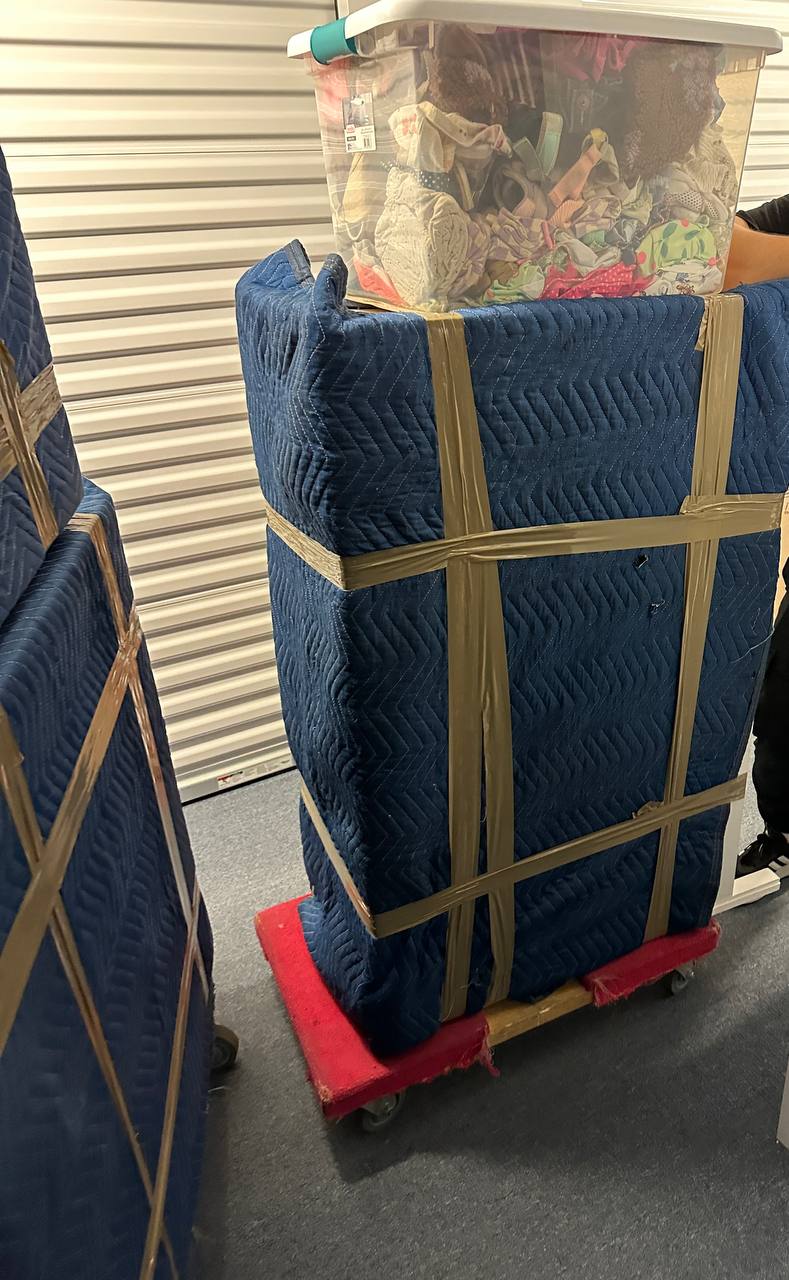
Why Apartment Moves in Chicago Require Extra Planning
An apartment move is not only about transporting furniture from one location to another.
Before moving day, consider:
- how movers access the building;
- where the truck can park;
- whether an elevator must be reserved;
- whether the building has moving hours;
- whether common areas need protection.
Many Chicago buildings have specific requirements because multiple residents share elevators, hallways, and entrances.
Elevator Reservations in Chicago Buildings
Elevators are one of the most important factors during apartment moves.
Many high-rise and condominium buildings require residents to reserve an elevator before moving.
This is common in areas such as:
- River North;
- Streeterville;
- The Loop;
- West Loop;
- South Loop.
A missed elevator reservation can significantly delay a move.
Before moving day:
- contact building management;
- confirm available time slots;
- ask about elevator rules;
- understand any building requirements.
Professional movers with apartment experience can help coordinate the process and plan around building restrictions.
Parking and Loading Zones
Parking is another major consideration in Chicago apartment moves.
Downtown neighborhoods often have limited space for moving trucks. Some buildings have designated loading areas, while others require planning around street conditions.
Important factors include:
- distance from truck parking to entrance;
- availability of loading zones;
- traffic conditions;
- building access points.
A few extra minutes of walking distance can significantly affect the moving timeline when transporting heavy furniture and multiple boxes.
Moving Into Walk-Up Apartments
Chicago is known for its historic neighborhoods and older apartment buildings.
Walk-up apartments are common in areas such as:
- Lincoln Park;
- Lakeview;
- Logan Square;
- Wicker Park.
These buildings may include:
- narrow staircases;
- multiple floors;
- limited space for large furniture.
Before moving, consider:
- measuring furniture;
- identifying oversized items;
- planning furniture placement.
Professional movers can evaluate access conditions and determine the best approach before handling large items.
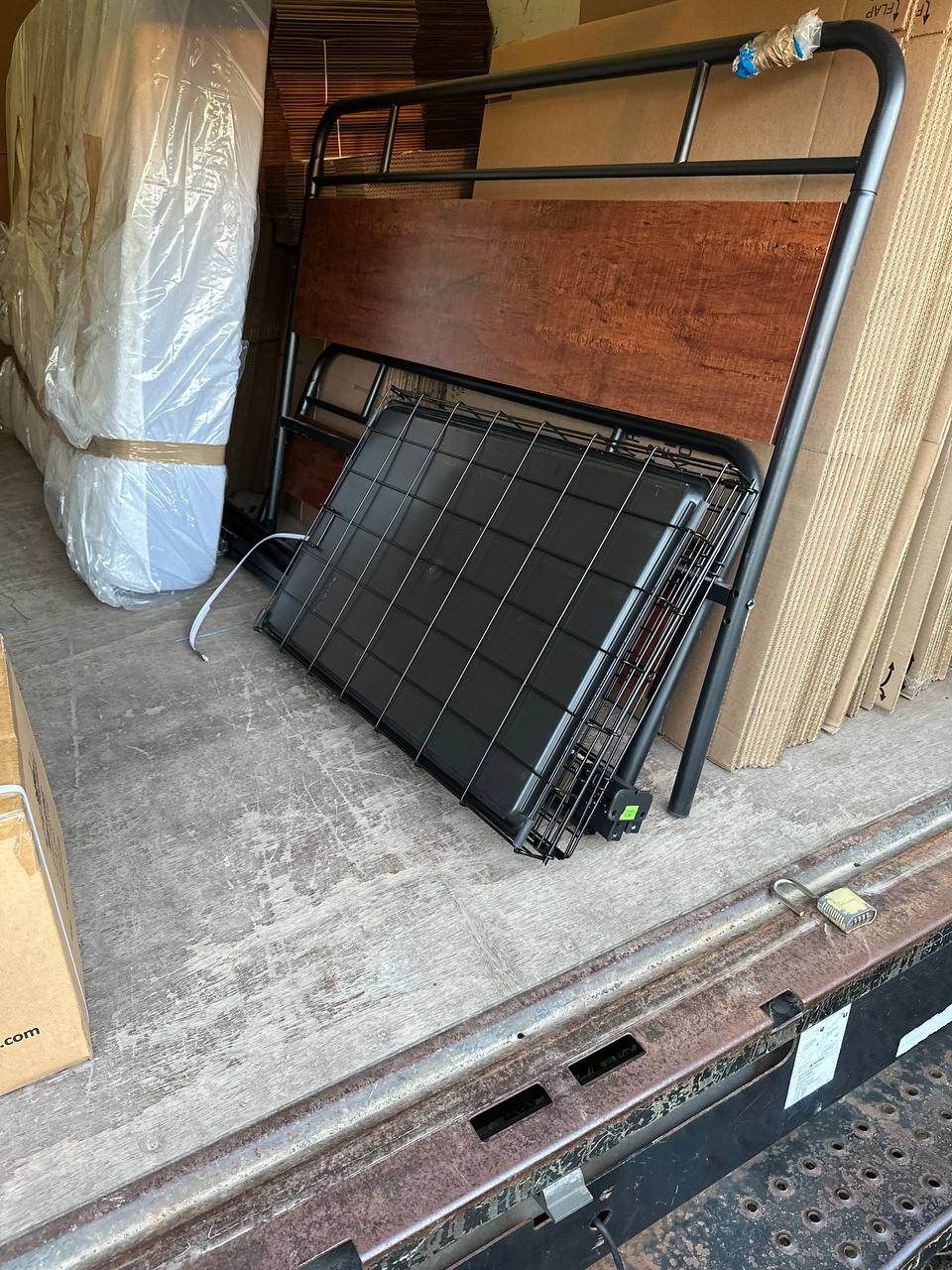
Common Apartment Moving Scenarios in Chicago
Studio Apartment in River North
A smaller move may require less loading time, but downtown conditions can create challenges:
- elevator scheduling;
- traffic;
- limited parking.
Two-Bedroom Apartment in Lakeview
A larger apartment often requires:
- furniture protection;
- disassembly;
- organized loading.
Condo Move in West Loop
Condo buildings often have strict rules:
- reserved elevators;
- move windows;
- management approval.
Moving During Chicago Winter
Winter apartment moves require additional preparation.
Chicago weather can create challenges such as:
- snow-covered walkways;
- ice near entrances;
- colder temperatures;
- slower loading conditions.
Before moving day:
- clear pathways when possible;
- protect floors from moisture;
- allow additional time.
Weather conditions should always be considered when planning a Chicago apartment relocation.
How to Prepare for an Apartment Move
A simple preparation checklist:
- ✓ Confirm building rules
- ✓ Reserve elevator if required
- ✓ Measure large furniture
- ✓ Plan parking access
- ✓ Pack and label boxes
- ✓ Prepare essentials separately
Good preparation reduces stress and helps the moving day follow the planned schedule.
Choosing Apartment Moving Support in Chicago
Apartment relocations require attention to details that are different from standard transportation.
A team familiar with Chicago buildings understands that every move depends on access, timing, and careful handling.
For apartment and home relocations, Residential Moving services help customers organize the physical side of moving, from loading to final placement.
Final Thoughts
Moving into a Chicago apartment requires more planning than simply loading boxes into a truck. Building rules, elevators, parking, and access conditions all affect the process.
By preparing early and understanding local challenges, you can make your apartment move more organized and predictable.
If you are planning a move in Chicago, IL or one of the surrounding suburbs, fill out the estimate form to receive a personalized calculation based on your addresses, inventory, and moving conditions.