
How to Pack for a Move: A Step-by-Step Guide
Packing for a move often takes longer than expected. You need to choose the right boxes, protect fragile items, empty closets, and decide what to keep accessible until moving day. Without a plan, it's easy to waste time repacking boxes or searching for things you need.
The easiest way to stay organized is to break packing into manageable steps. Gather your supplies, sort your belongings, pack one room at a time, and label every box. A little preparation now can make moving day smoother and unpacking much easier.
What Packing Supplies Do You Need?
Gather your packing materials before you begin. Running out of boxes or protective materials halfway through can interrupt the process and make it harder to stay organized.
Depending on what you're moving, you may need:
- Sturdy cardboard boxes: Choose different sizes for books, dishes, clothing, and household items.
- Packing paper: Use it to wrap dishes, glassware, and other breakable items.
- Bubble wrap: Add extra cushioning for delicate items that need more protection.
- Packing tape: Securely seal the bottom and top of each box.
- Markers and labels: Identify the contents and destination room for each box.
- Bags and small containers: Keep hardware, small accessories, and loose parts together.
Choose boxes based on both size and weight. Books, for example, are best packed in smaller boxes, while lightweight items that take up more space can go in larger ones.
Where Should You Start When Packing?
Don't try to pack your entire home at once. Start with items you rarely use, then work your way toward everyday essentials as moving day approaches.
1. Declutter Before You Pack
Before putting anything in a box, decide what you actually want to take to your new home. Set aside items you no longer need and consider donating, selling, or disposing of them responsibly.
There's little reason to spend time and packing materials on belongings you no longer use. Sorting everything first also reduces the amount you'll need to unpack later.
2. Pack One Room at a Time
Keep items from the same room together whenever possible. This makes it easier to find what you need and helps you place boxes in the right rooms after the move.
For example, pack kitchen supplies separately from bathroom items, and keep office supplies away from clothing. If you need to combine different types of belongings in one box, label the contents clearly.
3. Start With Items You Won't Need Before Moving Day
Begin with books, seasonal clothing, decorations, extra bedding, and electronics you rarely use.
Leave everyday dishes, toiletries, phone chargers, and clothing for the next few days until later. This prevents you from having to reopen packed boxes to find something you still need.
How to Pack Fragile Items Safely
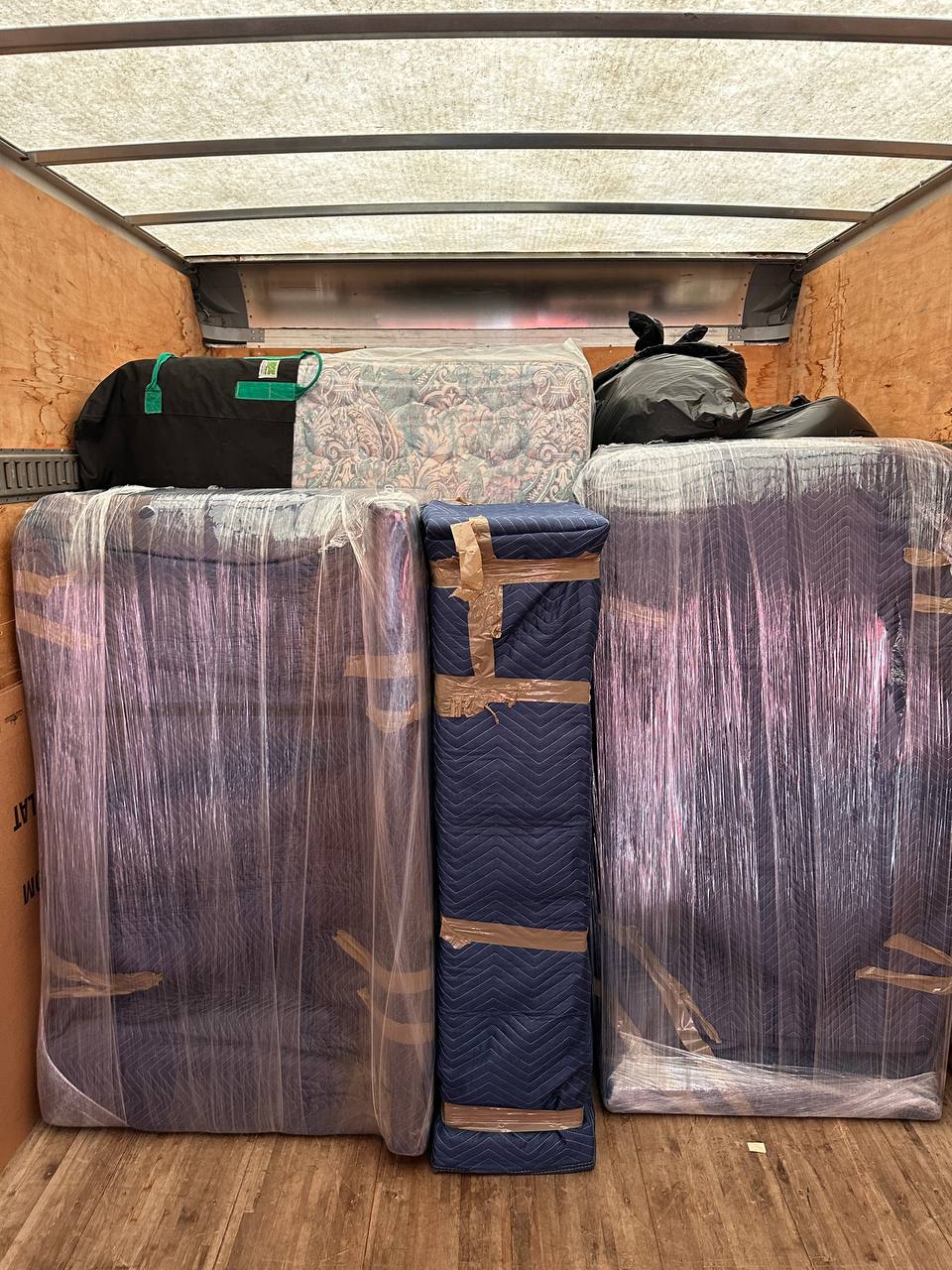
Dishes, glassware, mirrors, and decorative pieces need extra care. Even a sturdy box won't protect its contents if items can shift around during transport.
When packing fragile belongings:
- Wrap each item individually with suitable packing material.
- Fill empty spaces inside the box to prevent items from shifting.
- Place heavier items at the bottom and lighter items on top.
- Avoid overfilling boxes and seal them securely.
- Mark boxes containing breakables so they can be handled with care.
Use adequate cushioning between plates, glasses, and other delicate items. Mirrors and large fragile pieces may require specialized protective materials.
If you're moving valuable, unusually shaped, or especially delicate belongings, ask your moving company what packing methods and handling arrangements are appropriate.
How to Pack Clothing, Shoes, and Bedding
Clothing and linens generally need less protective packaging than glassware, but keeping them organized still matters.
Pack seasonal clothing in boxes or suitable bags. Clean shoes before packing them and, whenever possible, keep pairs together so nothing gets separated.
Pack bedding, towels, and other linens separately. Clean soft items can also provide cushioning for suitable belongings, provided the fabric stays clean and the items are protected from damage.
Keep the clothing you'll need immediately after the move separate from items you won't use for a while.
How to Pack Kitchen Items and Appliances
Kitchens can take longer to pack than expected because they contain so many small items, dishes, and appliances.
Before packing:
- Wash and thoroughly dry dishes and kitchen utensils.
- Wrap glassware and ceramic items individually.
- Set aside food you don't plan to take with you.
- Check the manufacturer's instructions for preparing appliances for disconnection and transport.
- Keep cords and removable parts with their corresponding appliances.
Don't pack open liquid containers unless they're properly secured against leaks. Cleaning products and other potentially hazardous materials may be subject to transportation restrictions, so confirm the rules with your moving company before packing them.
How to Label Moving Boxes So You Can Find Things Easily
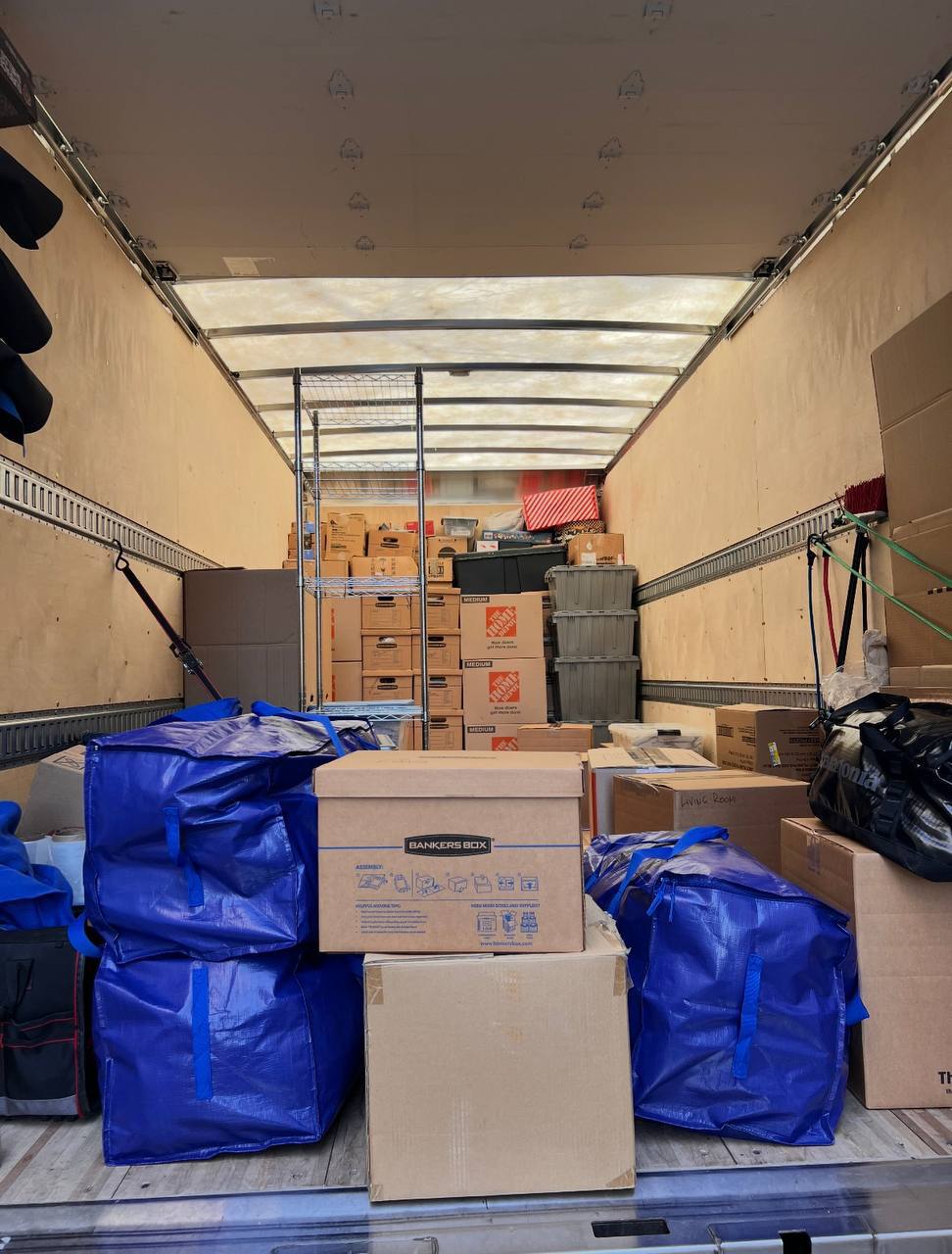
A label that simply says "miscellaneous" won't be very helpful when you're unpacking. Instead, write the destination room and a brief description of the contents.
For example:
- Kitchen – Plates and Bowls
- Bedroom – Winter Clothes
- Bathroom – Towels
- Living Room – Books
If a box contains fragile items, add a clear warning. Room labels also help movers place boxes in the correct areas of your new home, reducing unnecessary lifting and rearranging.
Avoid writing unnecessary details about valuable belongings on the outside of boxes. Keep important documents, jewelry, and other personal valuables in a separate, secure place.
What Should You Keep Out for Moving Day?
Don't pack absolutely everything in advance. Some items will still be needed on moving morning or immediately after you arrive.
Prepare a separate essentials bag containing:
- Important documents and keys.
- Your phone and charger.
- Medications and basic toiletries.
- A change of clothes.
- Water and easy-to-carry snacks.
- Essential supplies for children or pets, if applicable.
Keep this bag with you rather than loading it onto the moving truck with the rest of your belongings.
Common Packing Mistakes to Avoid
A few common mistakes can make moving more difficult than it needs to be:
- Overpacking boxes. Heavy boxes are harder to carry, and the bottom may give way under too much weight.
- Leaving boxes unlabeled. You'll have to open them one by one to find specific items.
- Mixing belongings from different rooms. This makes it harder to distribute boxes and unpack efficiently.
- Using too little protection for fragile items. Items can break if they're not properly cushioned.
- Waiting until the last minute. You'll have less time to sort belongings and pack them carefully.
- Forgetting an essentials bag. Important items may end up buried in boxes when you need them most.
When Should You Get Help With Your Move?
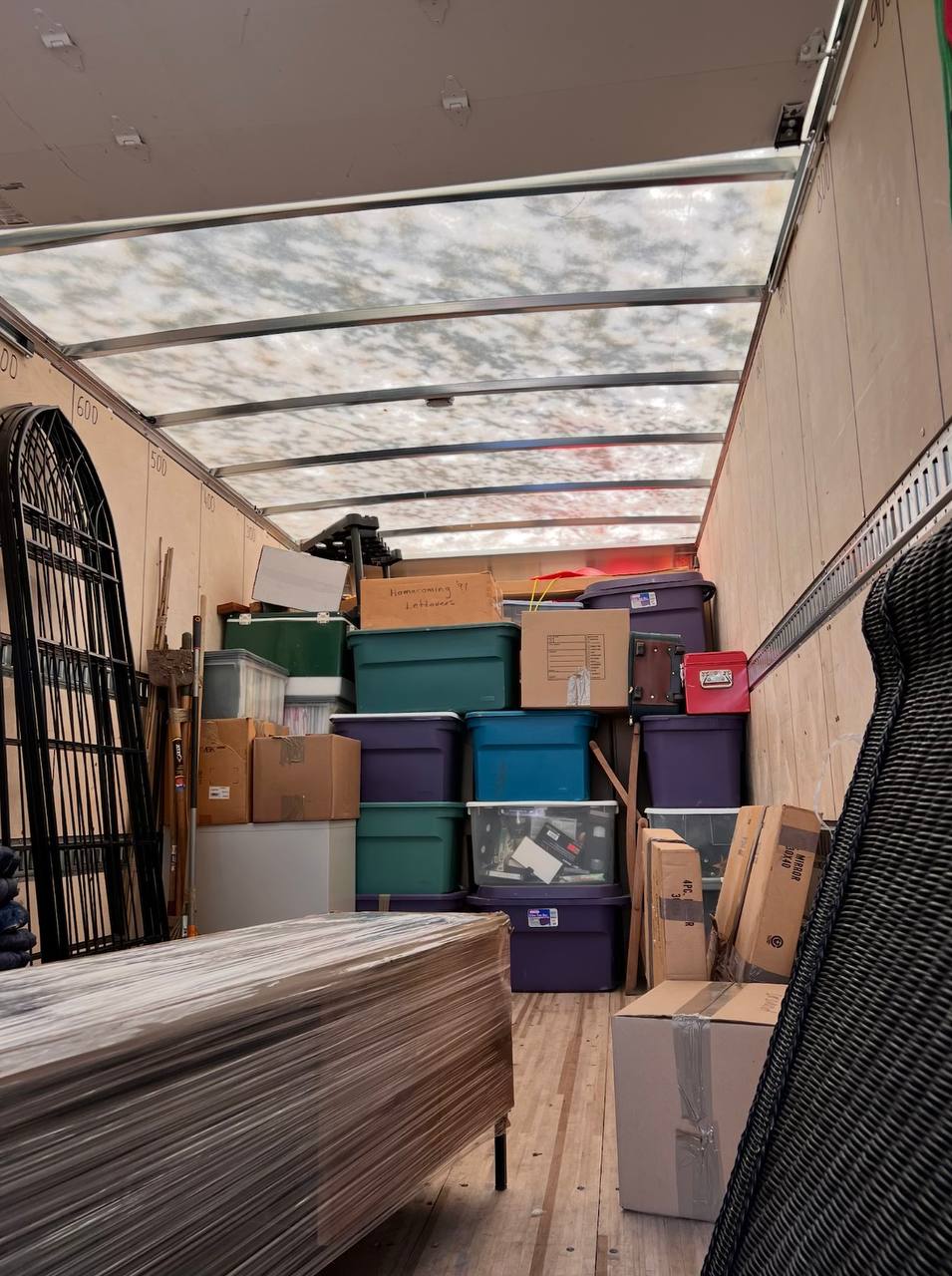
Packing on your own may work well if you have a relatively small number of belongings and enough time to prepare. However, a larger household, heavy furniture, or numerous fragile items can require considerably more planning.
FairPlay Moving provides residential moving services in Chicago and surrounding areas. If you're planning a move and want to discuss transporting furniture and household belongings, visit our residential moving services page.
Getting Ready to Move?
Planning ahead can make moving day easier. FairPlay Moving helps Chicago-area residents organize their residential moves with a straightforward, reliable approach.
Explore Residential MovingFinal Thoughts
Successful packing starts with sorting your belongings and following a simple plan. Gather your supplies, pack one room at a time, protect fragile items carefully, and label boxes so you can identify their contents at a glance.
Avoid leaving everything until the last day, and keep essential items separate. With a little preparation, you can stay organized, make unpacking easier, and settle into your new home with less stress.