
How to Label Moving Boxes for Easy Unpacking
Labeling moving boxes may seem like a small detail until you need to find your phone charger among dozens of identical boxes or search through several containers for your bedding. A simple labeling system helps you stay organized, unpack faster, and get each box into the right room from the start.
Here’s how to label your boxes so the system actually makes moving day easier.
1. Label Each Box with the Room and Contents
Writing only “Kitchen,” “Bedroom,” or “Living Room” tells you where a box belongs, but not what’s inside. Include both the destination room and a short description of the contents.
- Kitchen – Plates & Bowls
- Bedroom – Bed Linens
- Bathroom – Towels & Toiletries
- Living Room – Books
You don't need to list every item. A few clear words are usually enough to identify the contents without opening the box.
2. Use the Same Labeling System for Every Box
Decide on a format before you start packing. A simple system is to write the room, a brief description, and a box number when needed.
ROOM → CONTENTS → BOX NUMBER
For example: Kitchen – Cooking Utensils – Box 03.
If you're packing a large home, number the boxes and keep a matching inventory in your phone's notes app or a spreadsheet. This makes it easier to find specific items later without opening several boxes.
Keep the system simple. If the labels require a complicated key to understand, they'll create more work instead of saving time.
3. Mark Fragile Items and Boxes to Open First
Some boxes need extra attention or should be unpacked before the rest. Use clear labels such as:
- FRAGILE – for boxes containing breakable items.
- THIS SIDE UP – when a specific upright position matters.
- OPEN FIRST – for items you'll need soon after arriving.
Make sure the labels reflect what's actually inside. A “FRAGILE” sticker doesn't replace proper packing materials and protection for dishes, glassware, or decorative items.
Keep your essentials box separate and easy to reach. It can hold phone chargers, toiletries, a change of clothes, and other things you'll need during your first day in the new home.
4. Choose a Labeling Method That Works for You
For most household moves, a permanent marker and sturdy packing tape are enough. If you're packing a larger home, a more structured system may help.
- Permanent marker: A straightforward option for most moves.
- Color-coded stickers: Assign a different color to each room.
- Printed labels: Useful when you have many boxes and want consistent formatting.
- Box inventory: A written or digital list can help you track boxes with specific contents.
For example, you could use blue stickers for the bedroom and green ones for the kitchen. Pair colors with written room names so everyone can understand the system, even if they haven't memorized the color key.
5. Label More Than Just the Top
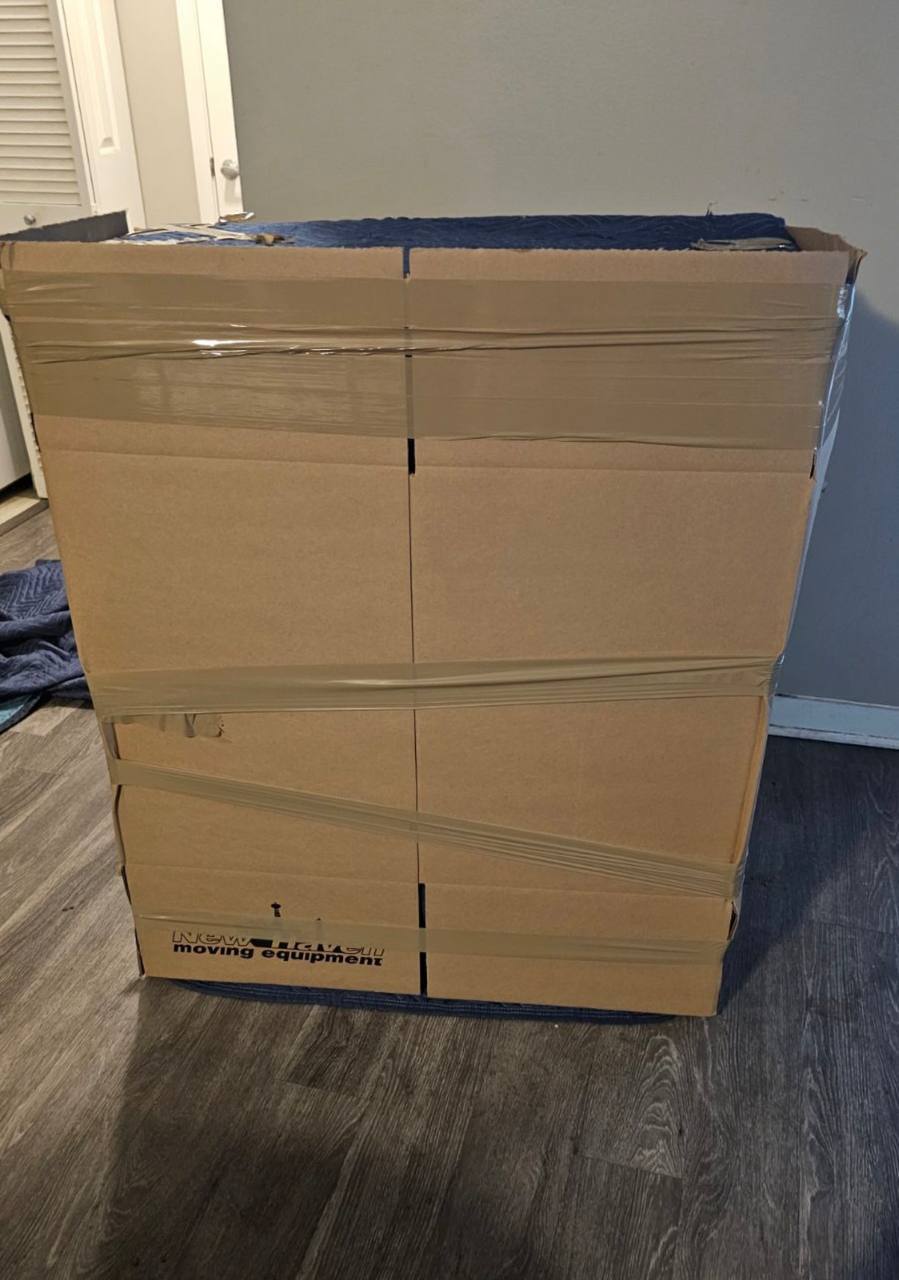
If you write the label only on top of a box, it may be hidden when boxes are stacked. Put the room name and main contents on at least one side of each box.
Whenever possible, label two sides. This makes identification easier regardless of how the boxes are positioned.
Use large, legible lettering and short descriptions. Leave enough space for the label, and avoid covering it with packing tape.
6. Keep Labels Short and Useful
Detailed lists aren't necessary for every box. For everyday items such as clothing, towels, or kitchen utensils, a broad category is usually enough.
More detailed labels are useful when:
- A box contains furniture hardware or small parts.
- You need certain documents or items shortly after moving.
- Similar belongings are spread across multiple boxes.
- The contents could easily be confused with other items.
For important or hard-to-find belongings, keep a separate inventory instead of trying to fit every detail on the box.
7. Label Boxes as Soon as You Finish Packing
Don't leave all the labeling until the end. After packing dozens of boxes, it can be difficult to remember exactly what went where.
Label each box as soon as it's packed. If you change its contents, update the label before moving on.
Before leaving, check that every label is readable, box numbers are consistent, and fragile items and essentials are easy to identify.
How Proper Labeling Makes Unpacking Easier
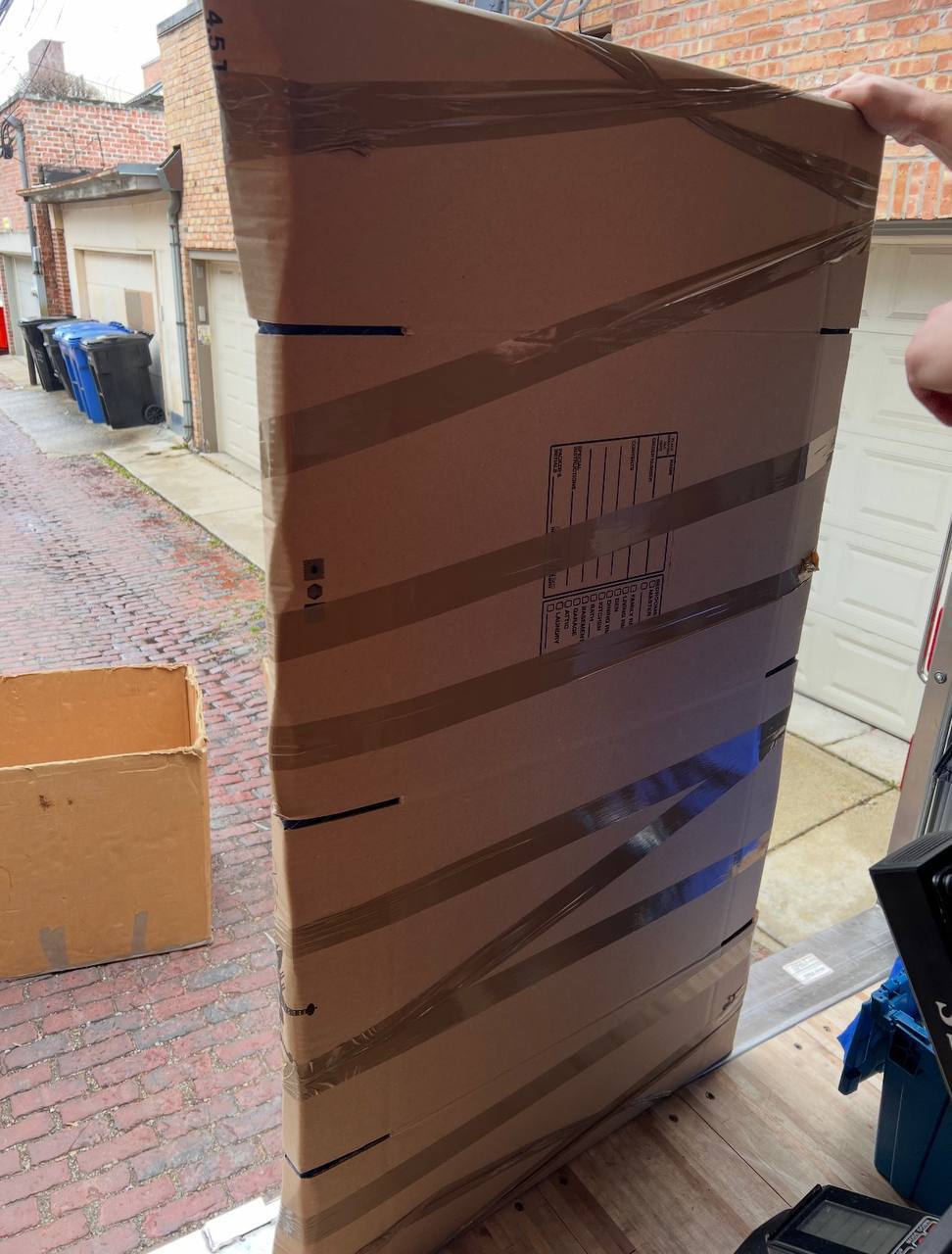
Clearly labeled boxes can go straight to their designated rooms. That means less carrying things back and forth, fewer piles of boxes in one place, and an easier time unpacking the items you need first.
It's also worth planning your packing process before moving day. Learn more about organizing your move with FairPlay Moving's residential moving services.
The main rule is simple: every label should answer three questions at a glance. Where does the box go? What's inside? Should it be opened first? When that information is clear, unpacking becomes much more manageable.
Planning a Residential Move?
FairPlay Moving helps with residential moves throughout Chicago and the surrounding suburbs. Explore our moving services and plan your next move with a team that handles your belongings with care.
Explore Residential Moving