
How Long Does a Move Take? 6 Factors That Affect Moving Time
When planning a move, it's important to consider more than just the distance between your old and new homes. Packing, carrying furniture, loading the truck, driving, and unloading all take time. Even a local move within the same neighborhood can take several hours, while moving out of a larger home with furniture and appliances may require considerably more time.
There's no way to estimate the exact duration without knowing how much you're moving and what conditions to expect at both locations. However, understanding the main factors can help you plan your moving day and set realistic expectations.
How Long Does a Typical Move Take?
The time required depends on the amount of furniture and belongings, the size of the home, the distance between addresses, and how easy it is to load and unload. The number of rooms alone isn't enough to determine how long a move will take.
Here are a few common moving situations to consider:
- A small move: A few pieces of furniture and a limited number of boxes generally require less time for loading and unloading.
- An apartment move: Furniture, appliances, and boxes of clothing, dishes, and personal belongings all contribute to the total time. Floor level, elevator access, and building rules can also make a difference.
- A larger home move: More rooms, furniture, and household belongings usually mean more time spent carrying, loading, and unloading.
- A long-distance move: In addition to loading and unloading, you'll need to account for travel time, which can significantly extend the day.
These are general scenarios, not fixed time estimates. Two moves from homes of the same size can take very different amounts of time depending on the amount of furniture, how well everything is packed, and the conditions at each location.
6 Factors That Affect How Long a Move Takes
1. The Amount of Furniture and Belongings
The more items you need to move, the more time it generally takes to prepare, carry, and load them. Large wardrobes, beds, sofas, and heavy appliances may require additional time and careful handling.
Before moving day, sort through your belongings and set aside anything you don't plan to use in your new home. Reducing the amount you move can make loading more efficient and simplify unpacking later.
2. How Well You've Prepared and Packed
When boxes are packed, labeled, and ready to load, the moving process is usually easier to organize. If you're still packing when the movers arrive, that can delay other tasks.
Gather your packing supplies, pack items you won't need before moving day, and keep hallways and doorways clear. If you haven't started preparing yet, follow our step-by-step guide to getting ready for a move in one week.
3. The Distance Between Your Old and New Homes
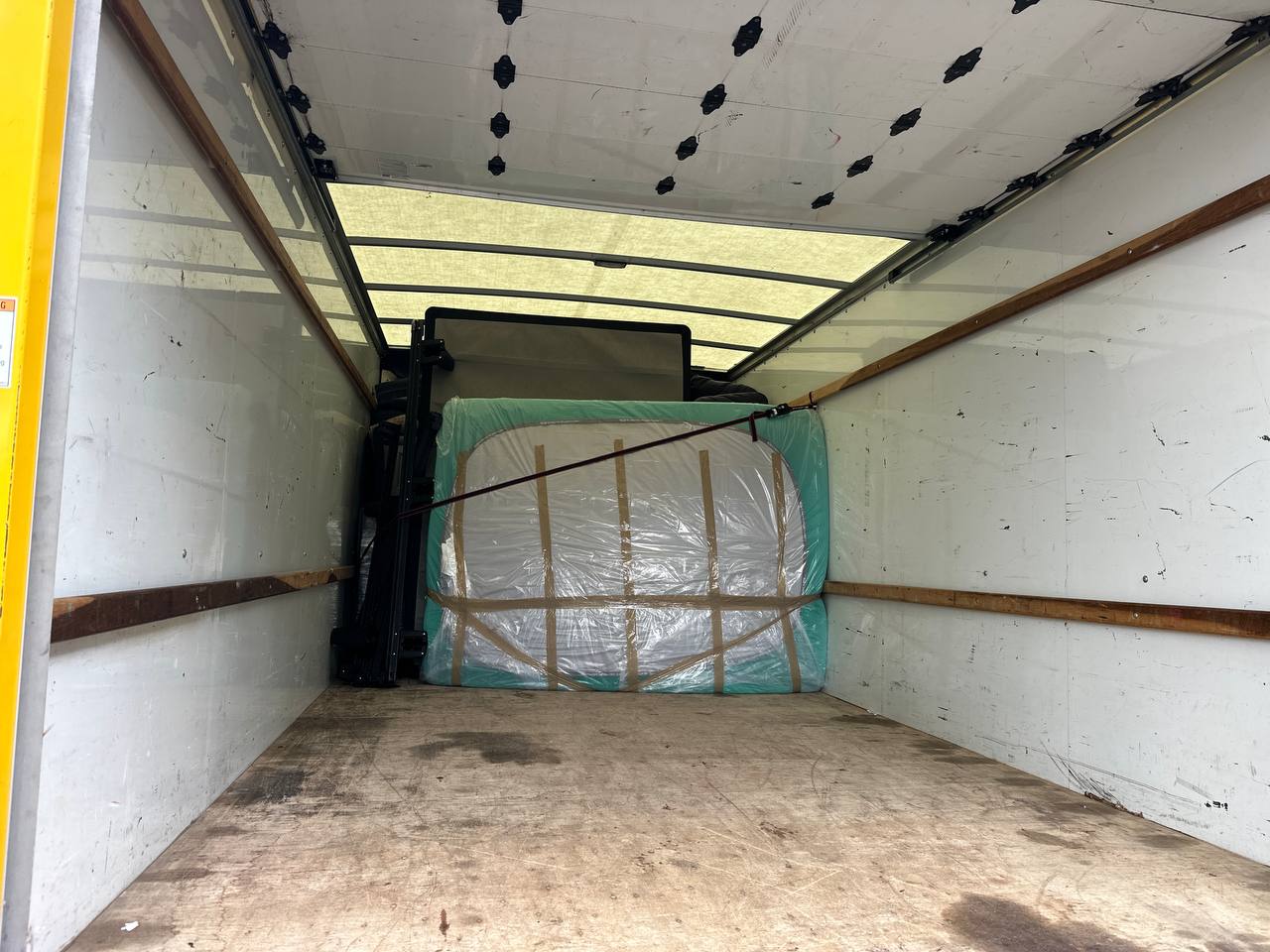
Travel time depends on more than the number of miles between addresses. Traffic conditions, the time of day, and the route can all affect how long it takes to get from one location to the other.
In Chicago, traffic can be a significant consideration, especially during rush hour. Finding a suitable place for the moving truck to park and the distance from the truck to the building entrance can also affect the overall schedule.
4. Stairs, Elevators, and Building Access
Loading and unloading can take longer when there's no elevator, stairways are narrow, or the truck can't park close to the entrance.
Before moving day, check whether you need to reserve a service elevator, arrange a loading time, or follow specific parking rules. Apartment buildings in Chicago may have additional moving requirements, so it's worth confirming the details in advance.
5. Furniture Disassembly and Reassembly
Some furniture needs to be disassembled to fit through doorways or move safely. Depending on the item, it may also need to be reassembled at your new home.
Identify which pieces need to be taken apart and confirm whether disassembly and reassembly are included in the moving service you've selected. Planning ahead helps clarify the scope of the move and reduces the chance of unexpected delays.
6. Special Handling and Oversized Items
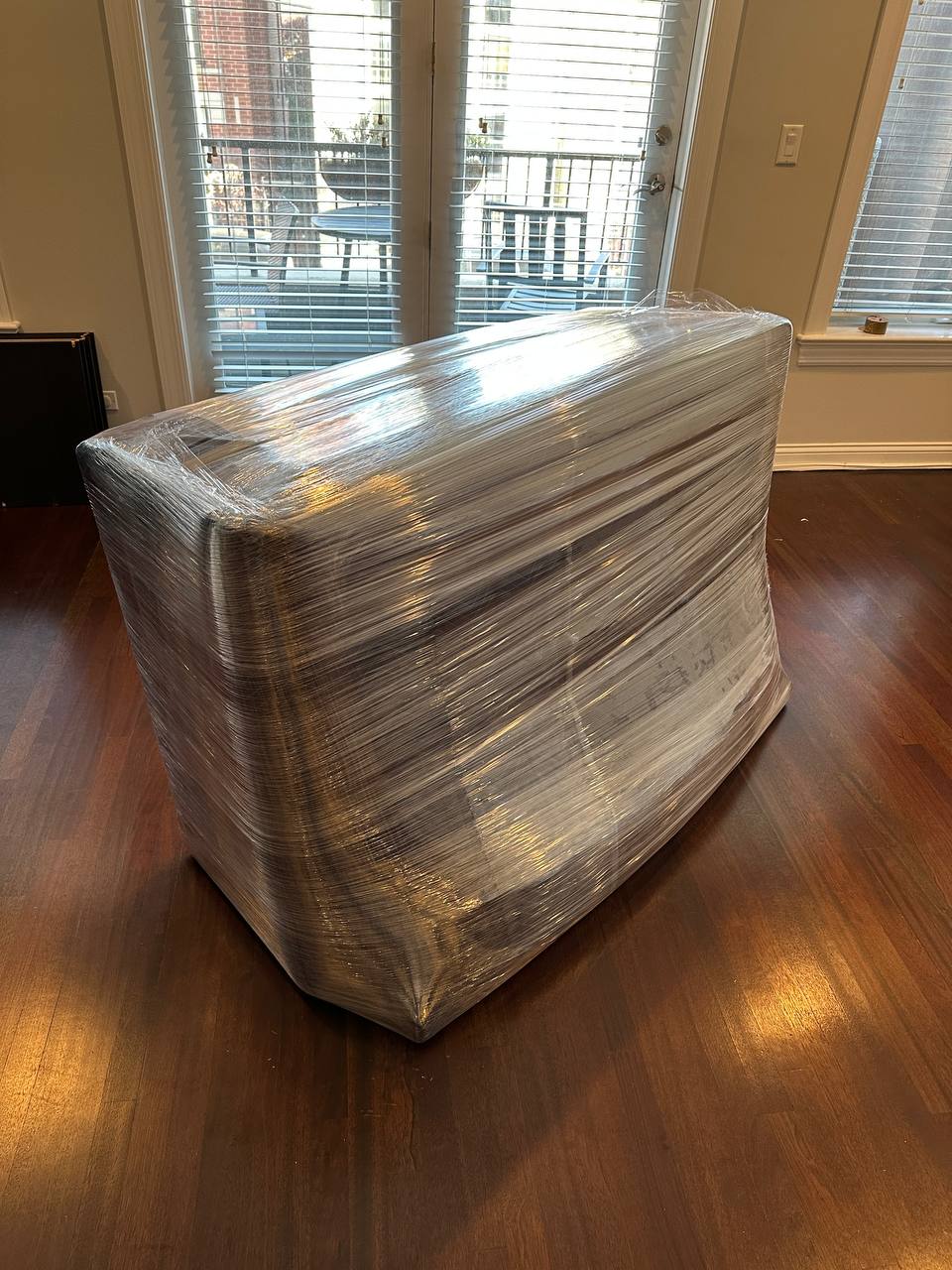
Heavy furniture, fragile belongings, tight hallways, and limited access may require additional preparation. Protecting floors, walls, and stairways while moving large items can also add time.
Let your moving company know about these conditions in advance. The more information you provide, the easier it is to plan the move and prepare for any challenges.
How to Make Your Move More Efficient
You can't prevent every unexpected delay, but good preparation can help keep moving day organized.
Before the movers arrive:
- Pack belongings you won't need before moving day.
- Label boxes and indicate which room each one belongs in.
- Clear hallways and provide easy access to furniture.
- Keep documents, keys, medications, and essentials in a separate bag.
- Check parking arrangements and elevator access in advance.
- Tell your movers about large furniture and items that need special handling.
Avoid making boxes too heavy or leaving most of the packing until the last minute. Both can complicate loading and create unnecessary delays.
How to Plan Your Moving Day
Avoid scheduling important appointments immediately after your expected moving time. Even with careful preparation, delays can happen because of traffic, building access, or the time needed to handle certain items.
Build some flexibility into your schedule and decide what needs to be done once you arrive at your new home. You might start by placing boxes in the correct rooms, setting up your bed, and unpacking essential items. The rest can wait until you're settled.
If you're renting, coordinate your move-out time with the deadline for leaving your old home and the time you can access the new one. This is especially important if you need to hand over keys or have a limited window for using a service elevator.
Should You Hire Professional Movers?
A DIY move may be a practical option if you have relatively few belongings and can arrange transportation and help with lifting. However, coordinating the transportation of furniture, appliances, and numerous boxes can become more complicated.
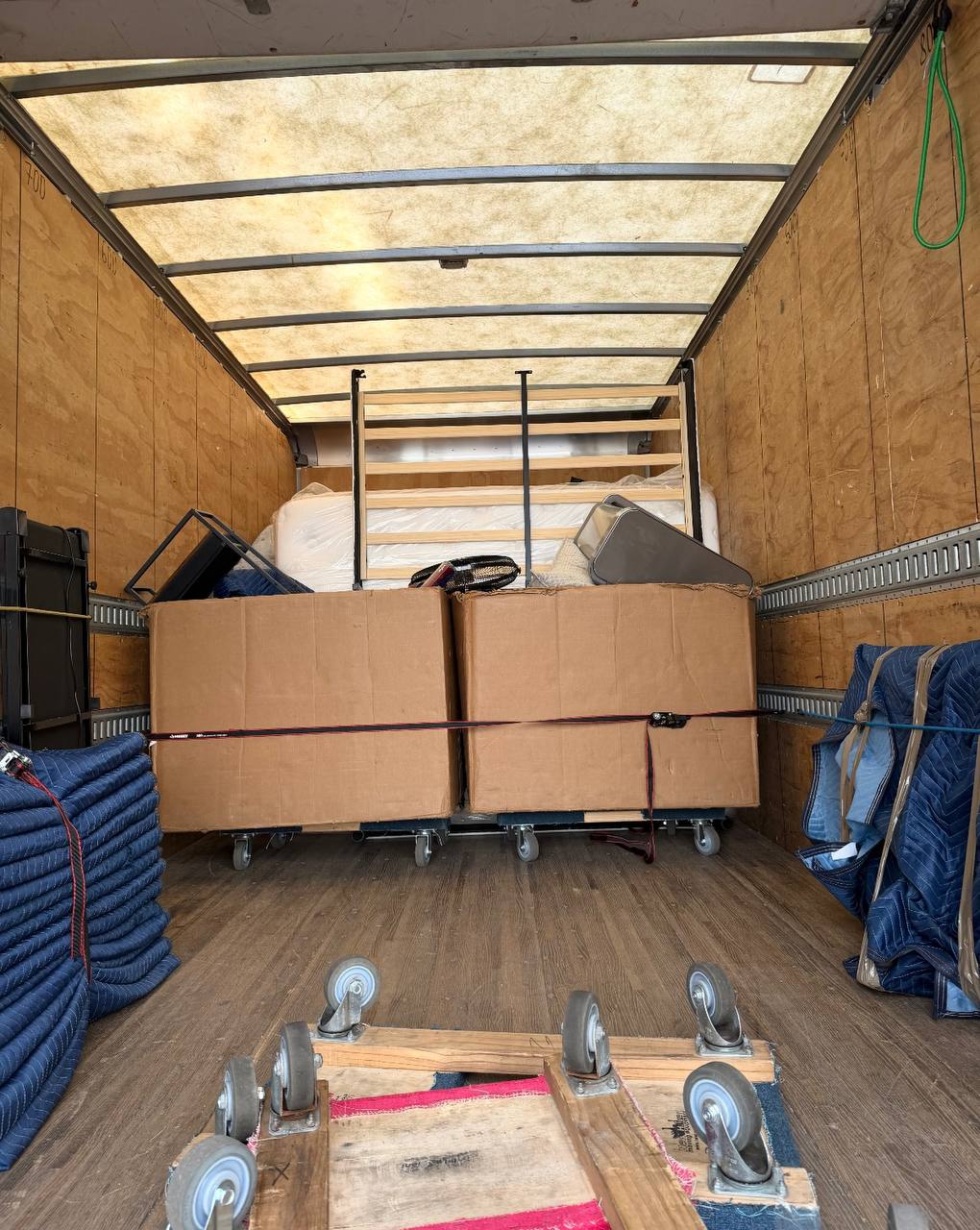
Professional movers can help coordinate loading, transportation, and unloading based on the size of your move and the conditions at each address. When discussing your move, provide details about the amount of furniture, both addresses, stairs or elevator access, and any other factors that could affect the plan.
FairPlay Moving provides residential moving services in Chicago and surrounding areas. Visit our residential moving services page to learn more about your options and discuss your moving needs.
Planning Your Next Move?
FairPlay Moving helps Chicago-area residents organize their moves with a straightforward, reliable approach. Contact us to discuss your belongings, moving arrangements, and the details of your move.
Explore Residential MovingFinal Thoughts
How long a move takes depends on the amount of furniture and belongings, how well you've prepared, the distance between addresses, and the conditions at each location. The size of your apartment or house alone doesn't tell the whole story.
To plan your day realistically, pack ahead of time, prepare your furniture, check access at both locations, and leave room in your schedule for unexpected delays. The better organized your move is, the easier it will be to manage the process without unnecessary stress.