
How Much Does It Cost to Move in Chicago?
How much do movers cost in Chicago? This is one of the first questions people ask before planning a relocation. The answer depends on several factors, including the size of your move, distance, building conditions, and additional services.
Moving costs in Chicago, IL are usually calculated based on the amount of time required to complete the move and the resources needed.
Unlike simple transportation services, professional moving includes preparation, furniture protection, loading, unloading, and handling items safely.
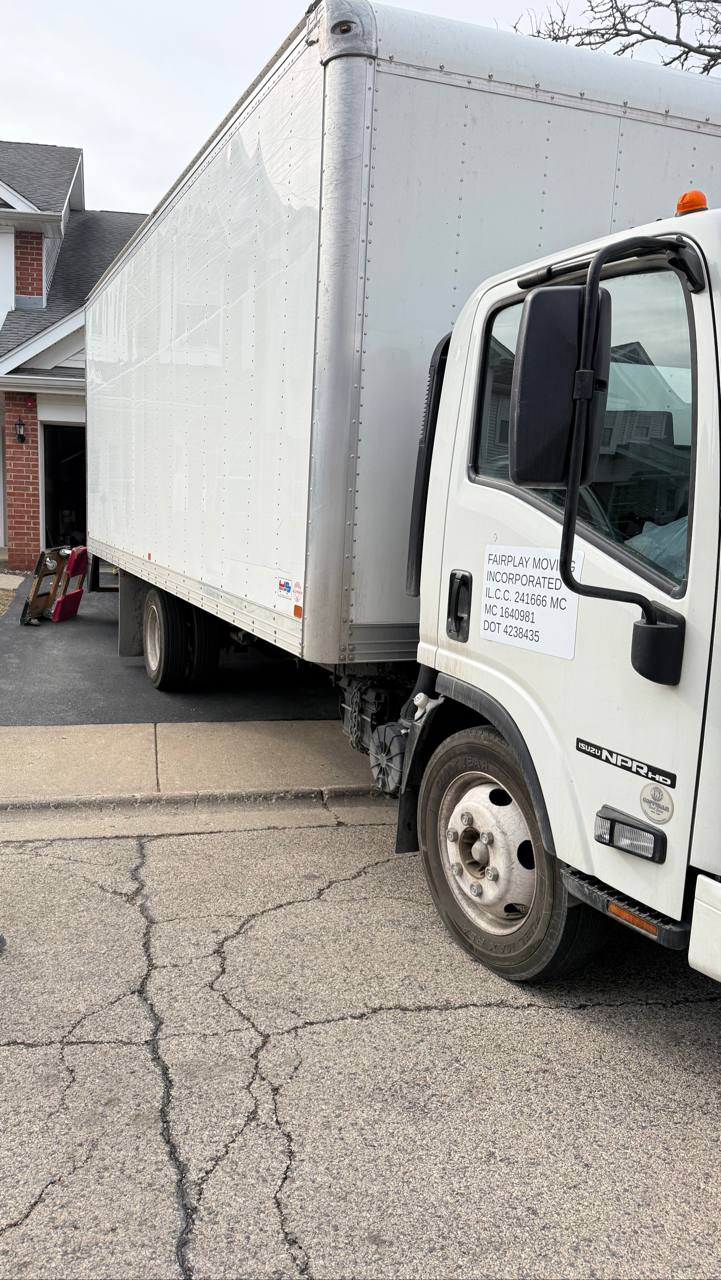
Average Factors That Affect Moving Costs in Chicago
The final price depends on:
| Factor | Why it matters |
|---|---|
| Apartment or home size | More belongings require more time |
| Number of movers | Larger moves need more crew members |
| Distance | Longer routes increase total working hours |
| Stairs and elevators | Access affects loading speed |
| Packing services | Additional preparation time |
| Furniture assembly | Large items may require extra handling |
Understanding these factors before requesting an estimate helps you plan a more accurate budget.
Average Moving Costs in Chicago
While every move is different, typical Chicago moving costs follow general patterns based on home size and crew requirements.
| Home Size | Typical Crew | Estimated Moving Time | Average Cost Range |
|---|---|---|---|
| Studio Apartment | 2 Movers | 2–4 Hours | $300–$700 |
| 1 Bedroom Apartment | 2 Movers | 3–5 Hours | $450–$900 |
| 2 Bedroom Apartment | 3 Movers | 4–7 Hours | $700–$1,500 |
| 3 Bedroom Home | 4 Movers | 6–9 Hours | $1,200–$2,500 |
| 4+ Bedroom House | 4–5 Movers | 8–12+ Hours | $1,800–$4,000+ |
*Estimated ranges vary depending on crew size, access conditions, inventory volume, season, and additional services.
These estimates assume that furniture and boxes are ready for loading when the moving crew arrives. Packing services, furniture assembly, difficult parking situations, stairs, or special handling requirements can increase the total moving time.
Typical Chicago Moving Scenarios
Studio Apartment in River North
A small downtown apartment may contain fewer belongings, but the building itself can affect the timeline.
Common factors:
- elevator reservation;
- loading zone availability;
- downtown traffic;
- building access rules.
Two-Bedroom Apartment in Lakeview
A larger apartment often requires:
- furniture disassembly;
- additional protection;
- more loading time;
- careful organization.
Suburban Move: Naperville to Schaumburg
Suburban relocations often involve larger homes and more furniture.
Factors include:
- longer loading process;
- multiple rooms;
- larger inventory.
Why Moving Estimates Can Change
A common reason final costs differ from expectations is inaccurate information before moving day.
Important details include:
- number of furniture items;
- stairs;
- elevators;
- long walking distances;
- additional boxes;
- items not included during the initial estimate.
Providing accurate information helps create a more realistic moving plan.
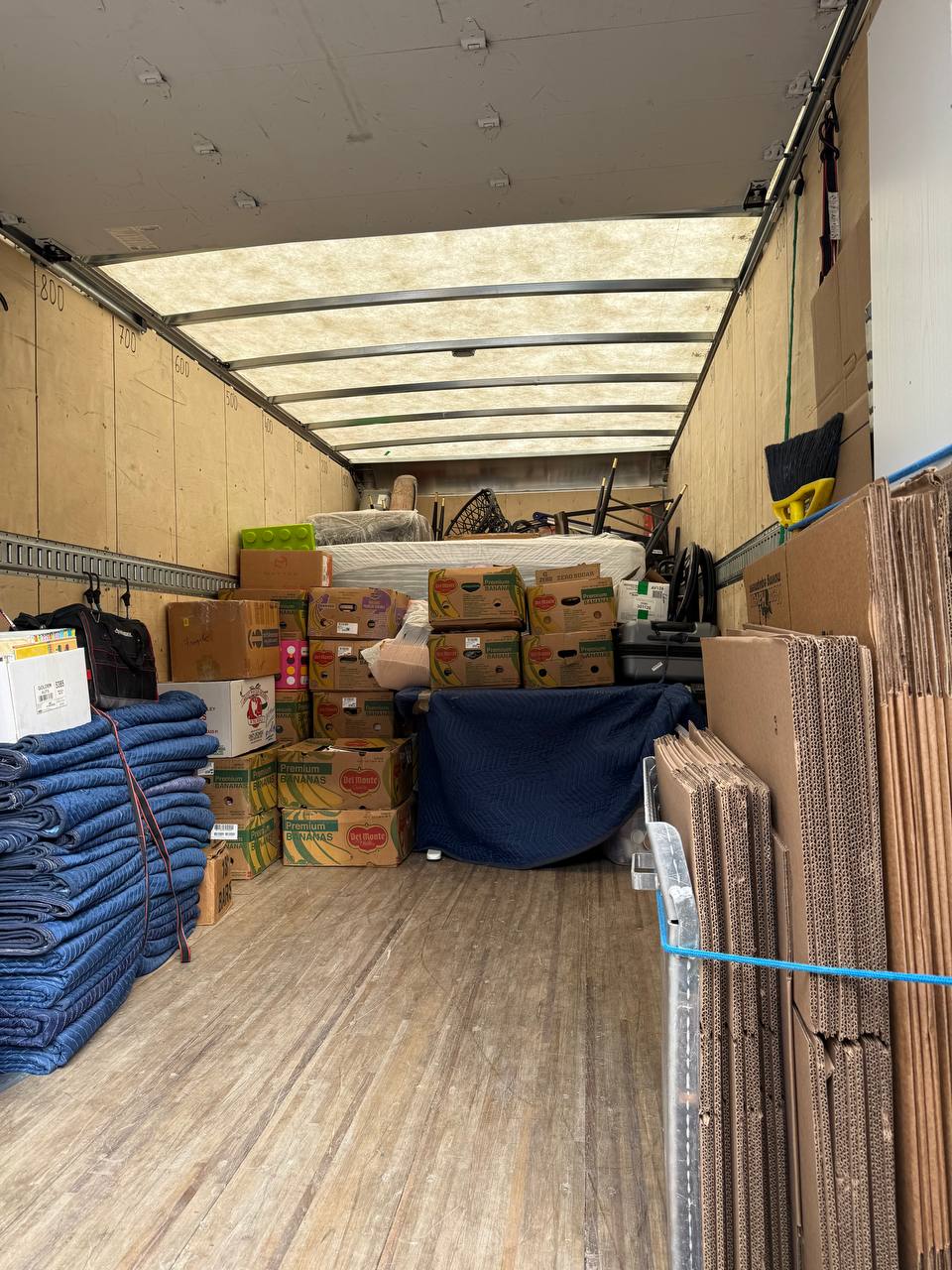
How to Prepare a Moving Budget
Before relocating, consider:
- moving services;
- packing materials;
- additional labor;
- storage if needed;
- building fees;
- cleaning after moving out.
Planning ahead helps avoid unexpected expenses.
Average Hourly Moving Rates in Chicago
Most local moving companies in Chicago calculate pricing based on labor hours. The hourly rate depends on the number of movers, truck requirements, and the complexity of the relocation.
Typical local moving rates may look like this:
| Crew Size | Typical Hourly Rate | Best For |
|---|---|---|
| 2 Movers + Truck | $120–$180/hour | Studios and smaller apartments |
| 3 Movers + Truck | $170–$250/hour | One to three-bedroom apartments |
| 4 Movers + Truck | $220–$350/hour | Larger homes and complex moves |
Additional services may affect the final cost, including:
- Packing and unpacking
- Furniture disassembly and reassembly
- Large or specialty items
- Long carries from building entrances
- Additional stops
- Storage-related services
Seasonal Pricing Differences
Moving costs in Chicago can also be affected by the time of year. During the summer months, demand is higher, which can influence availability. Winter moves may offer more flexibility, but require additional preparation for weather conditions.
Local Knowledge Matters in Chicago
Chicago is different from many other cities because every neighborhood has unique conditions.
A move in downtown Chicago may involve elevators and parking restrictions, while a suburban move may involve larger homes and longer distances.
Professional Local Moving services focus on these local conditions and help organize relocations within Chicago and nearby suburbs.
How to Get the Most Accurate Moving Estimate
To receive a precise estimate, provide the moving company with complete information about:
- your current and new addresses;
- the size of your home or apartment;
- large furniture items;
- access conditions (stairs, elevator, parking);
- whether you need packing assistance;
- any special items (pianos, safes, artwork).
A reliable moving company should explain how pricing works before moving day so customers understand what factors influence their estimate.
Final Thoughts
The cost of moving in Chicago depends on your specific situation. The most accurate estimate comes from understanding your inventory, addresses, access conditions, and required services.
If you are planning a move in Chicago, IL or one of the surrounding suburbs, fill out the estimate form to receive a personalized calculation based on your addresses, inventory, and moving conditions.