
How to Pack Glassware, Dishes and Fragile Items for a Move
Glassware, dishes, and other fragile belongings require more than simply placing them in a box and adding some padding. The safest approach is to wrap individual pieces, use appropriate cushioning, prevent movement inside the box, and distribute weight so the contents are protected during carrying and transportation.
Fragile items are also among the belongings that take the most time to prepare before a move. A kitchen may contain dozens of plates, glasses, mugs, bowls, serving dishes, and other pieces, many of which have different shapes and levels of fragility.
You do not necessarily need professional packing for everything in your home. Many people pack clothes, books, linens, and other straightforward belongings themselves while leaving fragile or difficult-to-pack items to movers.
The key is knowing which items require extra attention and preparing them correctly.
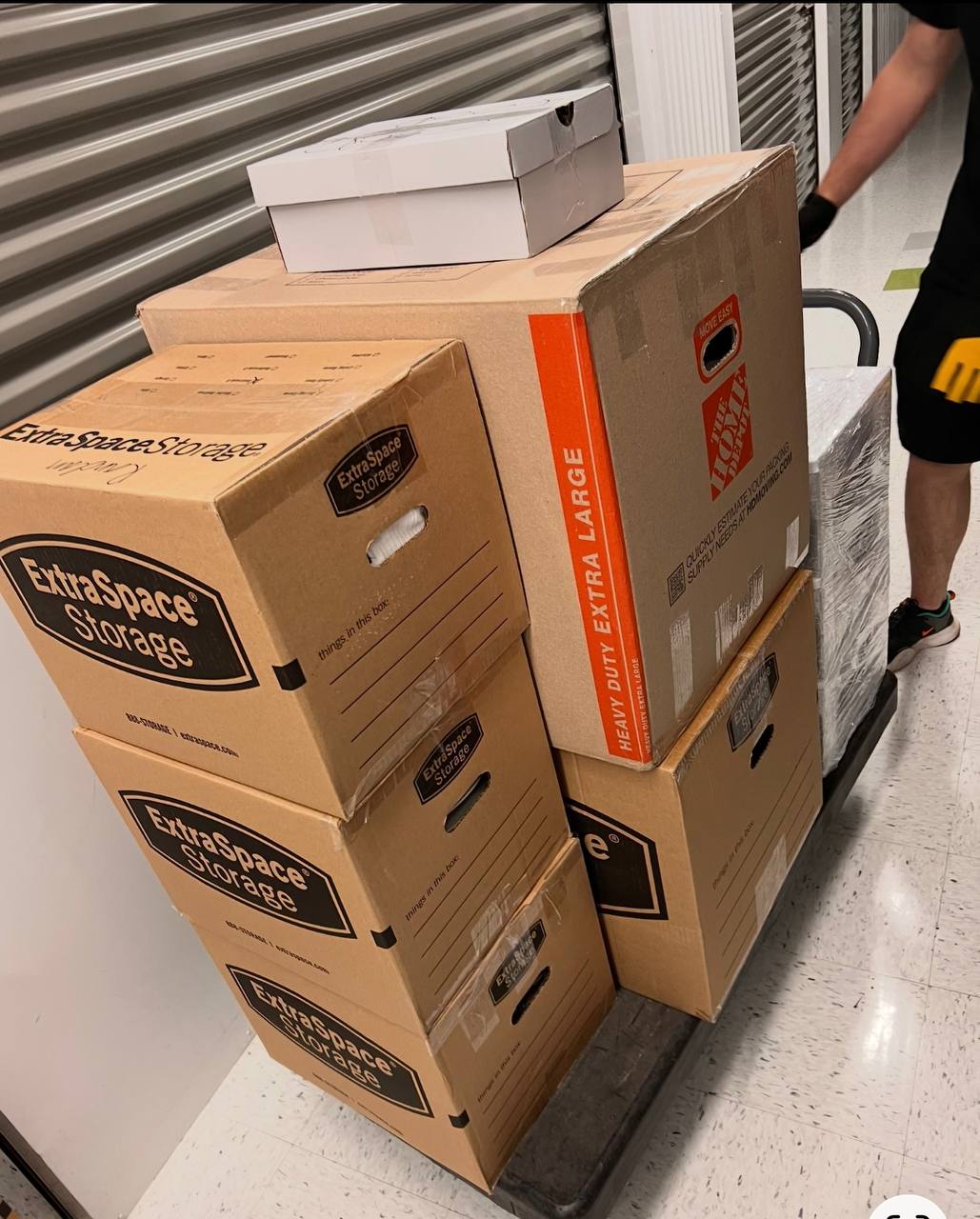
Why Fragile Items Need Different Packing
Fragile belongings can be damaged by impact, pressure, vibration, or movement inside a box.
A box may look completely intact from the outside while the contents inside have shifted and collided during transportation.
Glassware and dishes are particularly vulnerable because they are:
- rigid but relatively brittle;
- often irregularly shaped;
- vulnerable to pressure;
- difficult to stack without protection;
- frequently packed in large quantities.
The goal of proper packing is therefore not simply to cover each item.
It is to create a stable package in which individual pieces cannot easily strike one another or move around inside the box.
Which Household Items Are Considered Fragile?
Fragile items include much more than drinking glasses and plates.
A typical household may contain:
- wine glasses;
- drinking glasses;
- mugs;
- plates;
- bowls;
- serving dishes;
- ceramic cookware;
- vases;
- decorative objects;
- framed artwork;
- mirrors;
- lamps;
- glass shelves;
- collectibles;
- sculptures;
- delicate electronics.
Some items may not actually be made of glass but can still require the same level of protection.
Ceramic, porcelain, stone, delicate wood, and certain decorative materials can crack, chip, or break if they are not properly protected.
Start With Sorting, Not Packing
Before putting anything into a box, separate fragile belongings by type, size, and shape.
This makes the packing process more controlled.
For example, keep:
- plates together;
- glasses together;
- mugs together;
- bowls together;
- decorative pieces separately;
- particularly delicate items separately.
Do not automatically place every fragile item from the kitchen into the same box.
A tall wine glass and a heavy ceramic bowl require different protection and should not be treated as identical packing materials.
Sorting also gives you an opportunity to decide what actually needs to move.
How to Pack Plates Safely
Plates should generally be wrapped individually and positioned carefully inside the box.
One of the common mistakes is placing plates flat on top of one another without enough protection between them.
A safer approach is to wrap each plate and place them in a stable arrangement with cushioning around the group.
The box should not be so large that the plates can shift significantly during transportation.
At the same time, it should not be packed so tightly that pressure is placed directly on the dishes.
The objective is a firm but cushioned arrangement.
Should Plates Be Packed Flat or Vertically?
Plates are often safer when positioned vertically rather than stacked flat.
When plates are stacked horizontally, the weight of the upper pieces is transferred directly through the stack.
When positioned vertically with appropriate cushioning, the risk of direct pressure across the face of each plate can be reduced.
The exact arrangement depends on the box and the type of dishes, but the principle is consistent: fragile ceramic and porcelain should not be allowed to bear unnecessary concentrated pressure.
How to Pack Drinking Glasses
Glasses require individual protection because their shapes make them particularly vulnerable to impact.
Each glass should be wrapped and separated from neighboring pieces.
Extra attention is needed around:
- rims;
- stems;
- handles;
- thin walls;
- narrow bases.
A box containing glasses should have enough cushioning to prevent direct contact between the pieces.
Do not rely on the fact that the glasses appear tightly packed. Tight packing without cushioning can actually increase the chance of breakage because the pieces can transfer impact directly to one another.
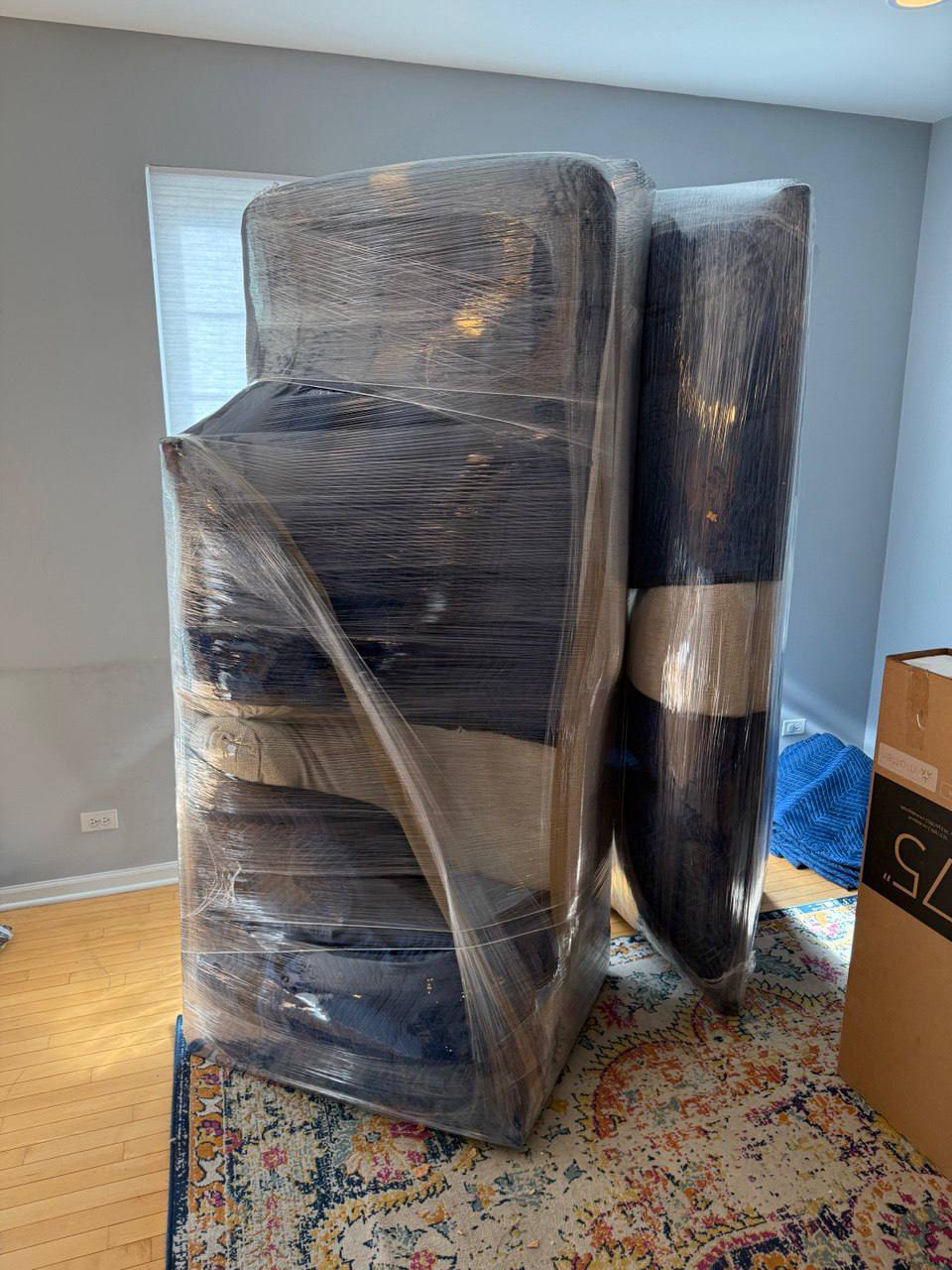
How to Pack Wine Glasses
Wine glasses are more difficult to pack than ordinary drinking glasses because of their stems and elongated shape.
The stem creates a natural weak point.
Each glass should therefore be protected individually, with additional cushioning around areas that could be exposed to pressure or impact.
Avoid placing heavy objects on top of wine glasses.
If the glasses are particularly delicate or valuable, they are good candidates for professional packing rather than ordinary household packing.
How to Pack Mugs and Cups
Mugs are generally more durable than thin glassware, but handles can break when exposed to pressure or impact.
Wrap each mug individually and protect the handle.
When arranging them in a box, avoid creating empty spaces where the mugs can move.
At the same time, do not force them tightly together.
A stable layer of cushioning around the items is more important than simply filling every available space.
How to Pack Bowls
Bowls have a curved shape that can create empty spaces when several pieces are packed together.
Each bowl should be protected individually or with appropriate cushioning between pieces.
Nested bowls can sometimes save space, but nesting should not mean allowing ceramic surfaces to rub directly against each other.
Use cushioning between the pieces and around the outside of the group.
The heavier items should remain toward the bottom, while lighter and more delicate pieces should be positioned above them.
How to Pack Serving Dishes and Large Plates
Large serving dishes often need more protection than ordinary plates because they have greater surface area and may be more difficult to fit into a standard box.
Wrap each piece carefully and make sure it has sufficient support.
Do not place a large ceramic serving dish underneath heavy cookware simply because it appears strong.
Large pieces can still crack under concentrated pressure.
If the item is unusually valuable, oversized, or difficult to package, consider having it handled as part of professional packing.
How to Pack Kitchenware With Different Weights
One of the most important principles of fragile packing is weight distribution.
Heavy items should not be placed on top of delicate glassware.
For example, a heavy cast-iron pan should not share a box with wine glasses simply because both belong in the kitchen.
Instead, group items with similar weight and handling requirements.
A well-packed box has a stable center of gravity and does not contain heavy objects that can shift onto fragile belongings.
How Full Should a Fragile Box Be?
A fragile box should be filled enough that its contents do not move excessively, but not so tightly that pressure is created between items.
An underfilled box allows movement.
An overfilled box creates compression.
Both can cause damage.
Once the contents are arranged, gently check whether there is noticeable movement inside the box. If items shift easily, additional cushioning may be needed.
What Should Go at the Bottom of the Box?
The bottom of a fragile-item box should have a protective layer before the first items are placed inside.
Heavier and more stable pieces generally belong lower in the box.
Lighter and more delicate pieces should be positioned above them.
The contents should then be surrounded with additional cushioning so they remain stable during handling.
This creates several layers of protection rather than relying on a single piece of wrapping material.
Why Empty Space Inside a Box Is a Problem
Empty space allows fragile belongings to move.
During transportation, the truck can experience vibration, braking, turning, and other movement.
If a glass is able to shift several inches inside a box, it can collide with another item or the side of the box.
The solution is not to compress the contents.
Instead, fill the empty spaces with appropriate cushioning so the belongings remain stable without being forced together.
Why Overpacking Is Also a Problem
More protection does not always mean more material.
If a box is packed too tightly, pressure can transfer directly to plates, glasses, and other fragile objects.
The box may also become unnecessarily heavy.
This creates two problems:
- the contents can be damaged by pressure;
- the box becomes more difficult to carry safely.
Good fragile packing is a balance between cushioning, stability, and manageable weight.
How to Pack Fragile Items in a Box With Other Belongings
Mixing fragile items with ordinary household belongings is sometimes possible, but only when the items have compatible weight and handling requirements.
For example, lightweight linens can sometimes provide useful cushioning around appropriate belongings.
Heavy books, tools, cookware, or other dense objects should not be placed next to delicate glassware simply to use available space.
A box should be planned around the most fragile item inside it.
What About Artwork and Mirrors?
Artwork and mirrors require a different packing approach from dishes.
Their large flat surfaces are vulnerable to impact, pressure, and edge damage.
Frames and glass surfaces should be protected appropriately, and the item should be positioned so that other belongings cannot press directly against it.
Large or valuable artwork may require specialized packing rather than ordinary household materials.
This is another category where professional packing can be useful.
How to Pack Lamps and Glass Decorations
Lamps can contain several fragile components at once.
The shade, base, bulb, and electrical components may require different types of protection.
Remove loose components when appropriate and protect them separately.
Glass decorations, vases, and similar objects should also be wrapped individually.
Avoid creating a box where several irregularly shaped objects can shift into one another.
How to Pack Electronics
Electronics are not always fragile in the same way as glassware, but many are sensitive to impact and pressure.
Televisions, monitors, computers, and similar equipment should be protected from:
- direct impact;
- pressure from other items;
- scratches;
- moisture;
- movement during transportation.
Large screens deserve particular attention because the display surface can be damaged even when the outer casing appears intact.
Original Packaging: When Is It Useful?
Original packaging can be useful when it is still available and designed specifically for the item.
This is especially relevant for:
- televisions;
- monitors;
- electronics;
- specialized kitchen appliances;
- delicate equipment.
However, original packaging is not required for every household item.
What matters is whether the packaging provides appropriate protection and prevents movement.
How to Label Fragile Boxes
Clear labeling helps movers understand how a box should be handled.
A fragile box should be clearly identified, particularly when it contains glassware, ceramics, artwork, or other delicate belongings.
It is also useful to indicate the general contents and destination room.
For example:
KITCHEN GLASSWARE FRAGILE
is more useful than simply writing:
KITCHEN
The purpose is to make the handling requirements immediately clear.
Where Should Fragile Boxes Go on the Moving Truck?
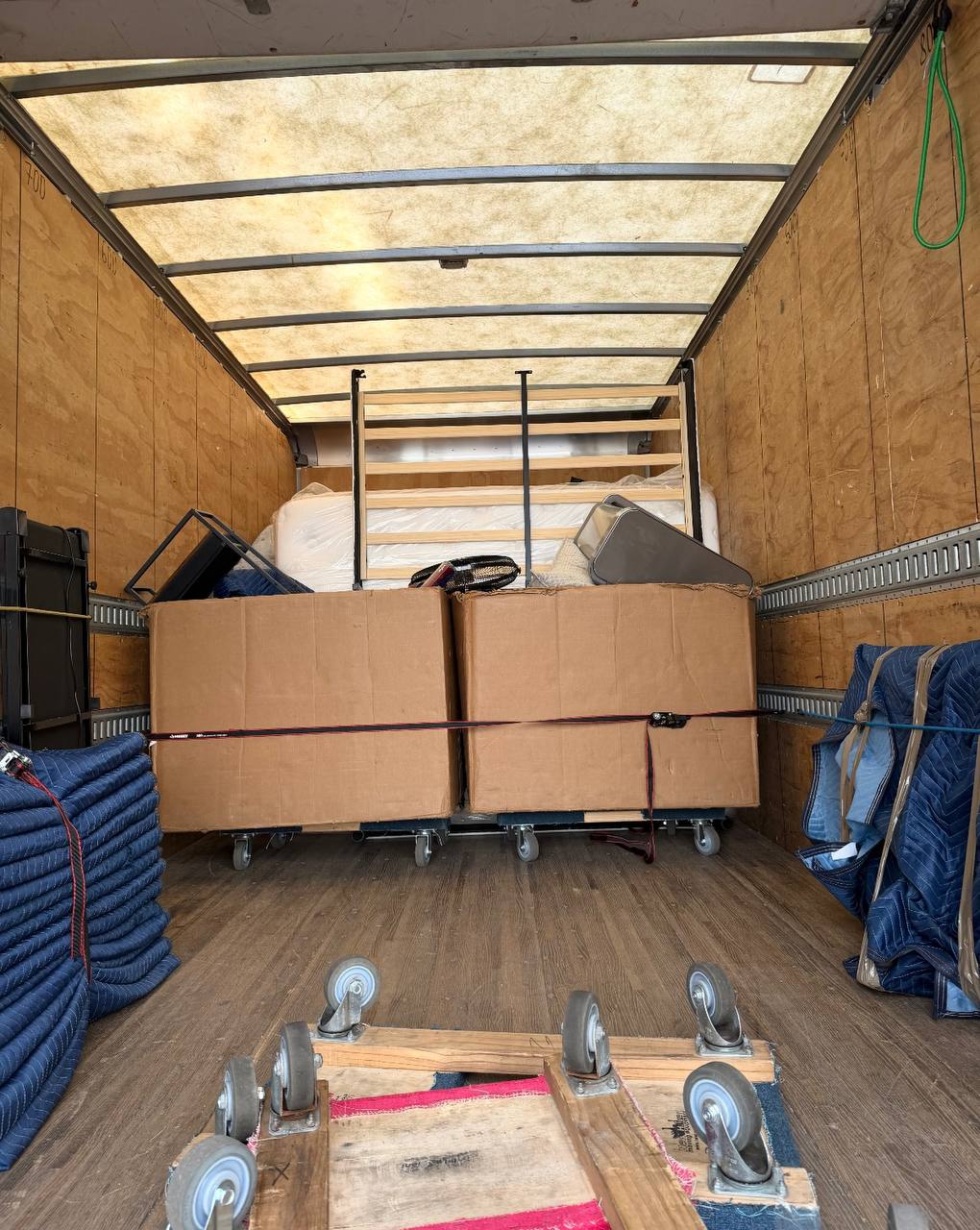
Fragile boxes need to be positioned carefully so they are not crushed or exposed to unnecessary movement.
Heavy furniture and dense boxes should not be placed on top of delicate cartons.
The truck should be loaded so that the overall load remains stable and fragile belongings are protected from excessive pressure.
This is one reason professional movers treat loading as more than simply fitting everything into the available space.
What Should You Pack Yourself?
Many customers can comfortably handle straightforward belongings themselves.
These often include:
- clothing;
- books;
- towels;
- bedding;
- toys;
- ordinary personal items.
The decision becomes different when the household contains a large amount of fragile kitchenware or delicate belongings.
If packing dozens of glasses and dishes feels overwhelming, you do not necessarily need to outsource the entire home.
This is where partial packing can be useful.
When Does Partial Packing Make Sense?
Partial packing works well when you want to pack ordinary belongings yourself but need help with the more difficult or time-consuming items.
For example, you might handle:
- clothing;
- books;
- linens;
- children's belongings.
And have movers handle:
- glassware;
- dishes;
- artwork;
- fragile decorations;
- delicate electronics.
This creates a middle ground between doing all the packing yourself and having the entire home packed for you.
For many apartment moves, it can be a practical way to reduce the most demanding part of the preparation without giving up control over the rest.
Common Fragile Packing Mistakes
Several mistakes appear repeatedly when people pack fragile belongings themselves.
Using Too Little Cushioning
A single thin layer may not provide enough protection.
Leaving Empty Space
Items that move inside the box can collide with one another.
Making Boxes Too Heavy
A fragile box should still be manageable to carry.
Mixing Heavy and Delicate Items
Heavy cookware should not be placed with thin glassware simply to save space.
Ignoring the Weakest Part
A glass stem, handle, rim, or thin edge may need additional protection.
Using an Oversized Box
A large box allows fragile belongings to shift and can become difficult to handle.
Waiting Until the Last Minute
Fragile packing takes longer than many people expect.
Starting early gives you time to identify items that require additional protection.
How Early Should You Pack Fragile Items?
You do not need to wait until the day before the move.
Begin with items you rarely use.
For example:
- decorative glassware;
- serving dishes;
- seasonal kitchenware;
- collectibles;
- artwork.
Keep everyday dishes and glasses until closer to moving day.
This approach spreads the work over several days rather than turning the entire kitchen into a last-minute packing project.
What About Fragile Items You Still Need to Use?
Not everything should be packed early.
Keep the belongings you use every day available until you are close to moving day.
A practical approach is to reduce your everyday kitchenware gradually.
For example, instead of keeping an entire collection of dishes in use, leave only what the household actually needs for the final days before the move.
This gives you a smaller amount to handle at the last minute without making daily life unnecessarily difficult.
Chicago Apartment Considerations
Fragile packing becomes particularly important in Chicago apartments and condos where belongings may travel through:
- elevators;
- narrow hallways;
- building entrances;
- loading areas;
- staircases.
A fragile box may be carried through several transitions before reaching the truck.
The same happens at the destination.
That is why protection needs to account for the entire handling process rather than only the time the box spends inside the truck.
Building access should also be confirmed before moving day, especially when an elevator reservation or designated loading area is involved.
What If You Are Moving From a High-Rise?
High-rise moves often involve additional handling because belongings may need to travel through a freight elevator or another designated route.
Fragile boxes should be packed securely enough to withstand repeated carrying and positioning.
It is also important to understand the building's moving requirements before the crew arrives.
A properly packed box cannot compensate for an unplanned elevator restriction or inaccessible loading area.
Good preparation combines packing, access, and moving logistics.
What If You Are Moving a Large Amount of Glassware?
If your household contains an extensive collection of fragile belongings, estimate the packing workload before moving day.
Do not assume that because each individual item is small, the overall task will be quick.
A kitchen with 60 or 80 fragile pieces may require considerable time because each item needs individual attention.
In this situation, professional partial packing can be more practical than trying to handle every fragile item yourself while also preparing the rest of the home.
How to Decide What to Pack Yourself
A simple decision framework can help.
Pack it yourself if:
- it is durable;
- it is easy to wrap;
- it has a simple shape;
- you have enough time;
- you are comfortable preparing it.
Consider professional packing if:
- it is fragile;
- it is unusually shaped;
- it is valuable;
- it requires specialized protection;
- there are many similar fragile items;
- you are short on preparation time.
The goal is not to have someone else pack everything.
The goal is to use professional help where it provides the most value.
A Practical Fragile-Packing Plan
A simple sequence makes the process easier.
Step 1: Sort
Separate glassware, dishes, artwork, decorations, and other delicate belongings.
Step 2: Decide
Determine what you will pack yourself and what requires professional handling.
Step 3: Prepare
Gather suitable boxes, wrapping materials, and cushioning.
Step 4: Pack by type
Keep similar items together instead of creating random mixed boxes.
Step 5: Protect weak points
Give additional attention to stems, handles, rims, corners, and thin surfaces.
Step 6: Stabilize
Fill empty spaces without compressing the contents.
Step 7: Label
Clearly identify fragile boxes and their destination room.
Step 8: Keep an inventory
Know which boxes contain your most delicate belongings.
This process makes fragile packing more predictable and reduces the chance of rushing through it at the end.
The Main Principle: Protect Against Movement
The most important idea behind fragile packing is simple:
The contents should not be able to move freely inside the box.
Wrapping protects individual items.
Cushioning absorbs impact.
Proper arrangement distributes weight.
Filling empty spaces prevents movement.
Strong boxes provide structural support.
All of these elements work together.
Using only one of them is not enough.
Final Takeaway
Packing glassware, dishes, and fragile belongings safely requires more than wrapping everything and putting it into a box. Each item needs appropriate protection, the contents need to remain stable, and the box needs to be packed according to the weight and fragility of what is inside.
You can handle durable household belongings yourself and leave the most delicate or time-consuming items to professional movers.
For Chicago apartment moves, this can be especially useful when fragile belongings also have to pass through elevators, hallways, stairs, and loading areas.
The best packing strategy is not necessarily to have someone else handle everything. It is to identify the items that require the most care and build your moving plan around them.