
How to Prepare Furniture for Moving: A Step-by-Step Guide
Furniture takes more than muscle to move safely. A wardrobe may not fit through a doorway, table legs can get in the way during loading, and unprotected surfaces can easily pick up scratches along the way.
A little preparation can make moving day easier. Before you start, decide which pieces need to be disassembled, remove any loose parts, and protect surfaces based on the material. Not every item needs to come apart. In some cases, moving furniture intact is the better option.
1. Decide Which Furniture to Disassemble
Start with the largest pieces and consider the entire route from the room to the moving truck. Measure doorways, hallways, stairwells, and elevators before deciding how to move each item.
- Beds: Bed frames, headboards, and side rails are often easier to carry separately.
- Dining tables: If the legs are removable, taking them off can make the table easier to maneuver.
- Wardrobes and dressers: Empty them and remove loose shelves. Fully disassemble them only if necessary.
- Desks: Check whether the legs, drawers, or add-on shelves can be removed safely.
- Sectional sofas: Separate the sections if the design allows it.
Smaller, sturdy pieces such as chairs and nightstands can often be moved intact. The goal is to make each item manageable without creating unnecessary work or weakening its structure.
2. Empty Drawers, Cabinets, and Shelves
Remove books, clothing, dishes, and other belongings from furniture before moving it. This reduces the weight and prevents items from shifting inside during transport.
Take out removable drawers if doing so makes a piece easier to carry. Glass shelves, mirrors, and other fragile components should be removed and packed separately when the design allows for safe removal.
Do not assume that drawers or cabinet doors will stay closed while furniture is being carried. Secure loose components appropriately, and avoid leaving heavy items inside simply because the drawers still slide.
3. Photograph the Furniture and Keep All Hardware Together
Before taking anything apart, photograph the assembled furniture from several angles. Take close-up pictures of joints, brackets, and connections that may be difficult to remember later. These photos can make reassembly much easier.
Follow these steps to keep small parts organized:
- Place screws, bolts, washers, and other fasteners in a separate zip-top bag for each furniture item.
- Label each bag with the name of the item, such as “bed frame” or “desk.”
- Seal the bag securely and tape it to a large, matching furniture component so it stays with the right item.
- Keep the bag away from delicate finishes. If necessary, attach it to a protective furniture blanket or place it in a clearly labeled hardware box secured with the corresponding item.
For example, tape the labeled bag of bed-frame screws to the protected underside of the headboard. This small step helps prevent hardware from getting lost among moving boxes or mixed up with parts from another piece of furniture.
Use the right tools for the fasteners and avoid forcing tight joints apart. If a connection is glued, damaged, or difficult to remove, stop before you break the furniture or strip the screw head.
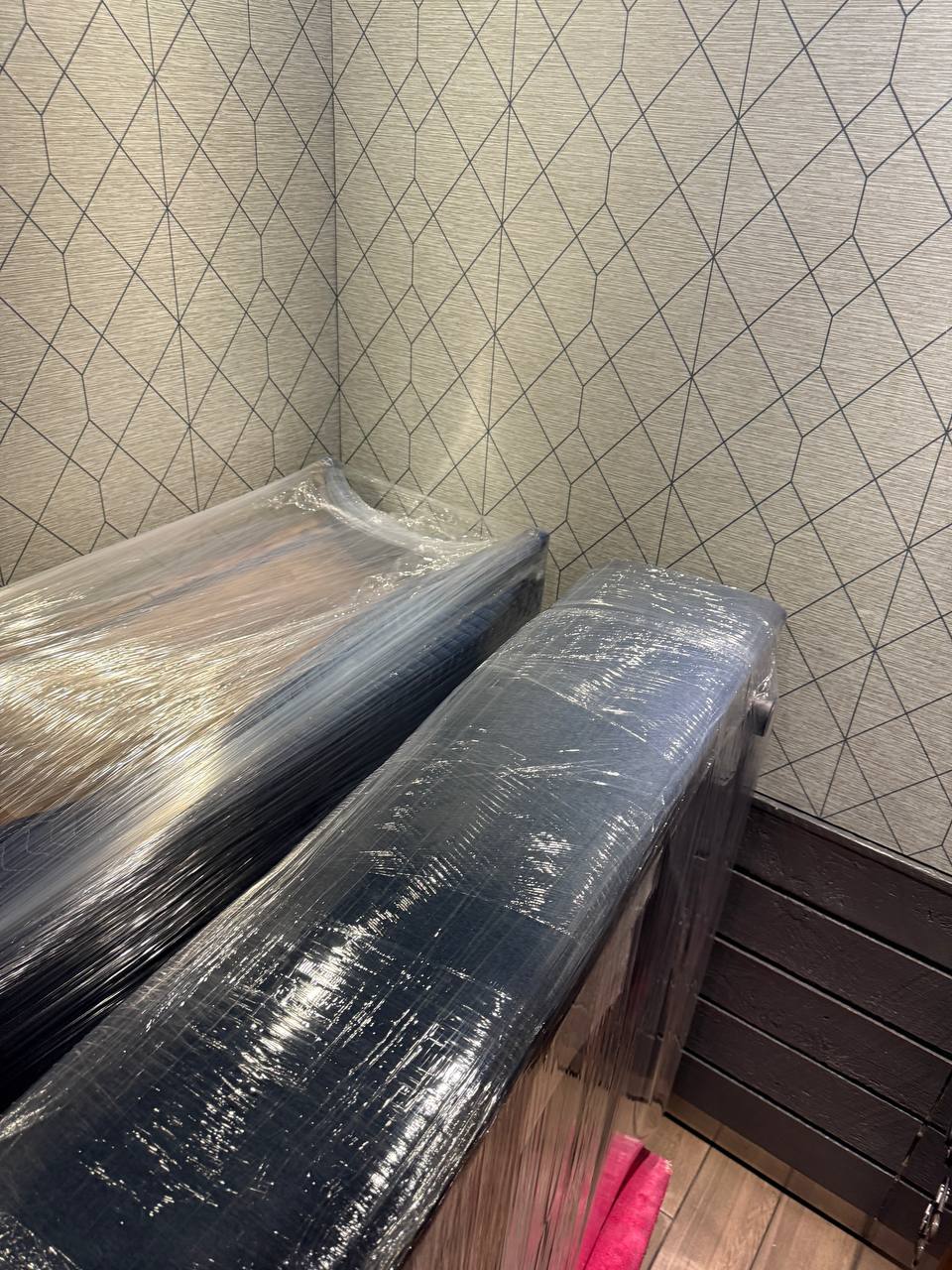
4. Protect Furniture Surfaces, Corners, and Upholstery
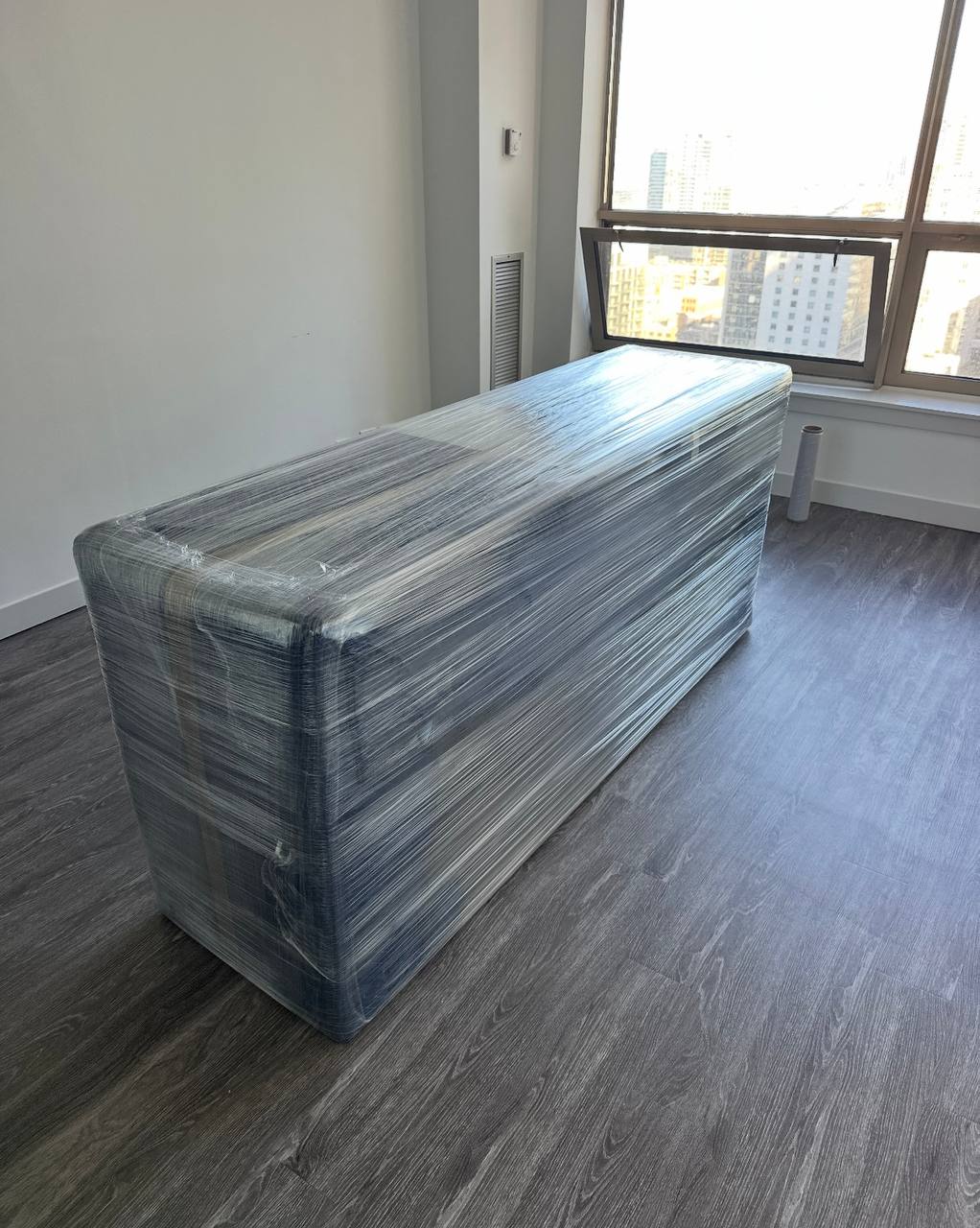
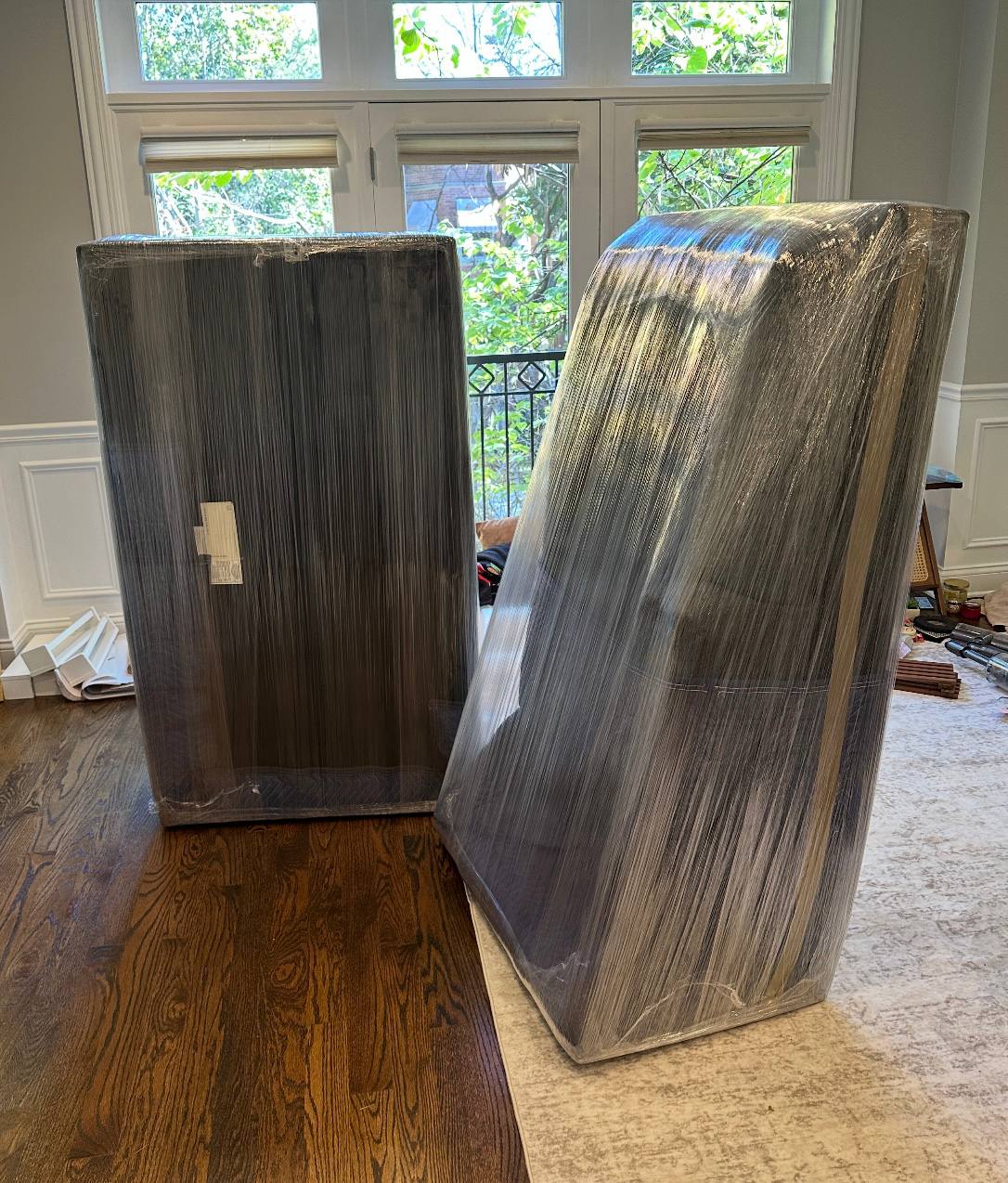
Once the furniture is ready, protect it against scratches, scuffs, dust, and accidental bumps during loading and transport.
- Moving blankets: Help protect wood, finished surfaces, tables, and larger furniture pieces.
- Corner protectors: Help shield exposed edges and corners from impacts.
- Furniture covers: Help keep sofas, chairs, and mattresses clean during the move.
- Separate protective packing: Keeps glass shelves, mirrors, and other fragile components apart from heavier items.
Be careful with packing tape. Do not apply it directly to painted, lacquered, polished, or otherwise delicate furniture surfaces. Adhesive can leave residue or damage the finish when removed. Secure blankets and covers in a way that keeps tape away from the furniture itself.
Choose protection based on the material. Wood, glass, metal, and upholstered furniture have different needs, so one wrapping method may not be suitable for every item.
5. Take Extra Care with IKEA and Other Flat-Pack Furniture
Flat-pack furniture is not always designed to be disassembled and reassembled repeatedly. With some pieces, especially those made from particleboard, repeated assembly can loosen fasteners or damage the holes that hold the joints together.
Before disassembling a modular piece, check its stability, the condition of its fasteners, and the manufacturer's assembly instructions if available. If the furniture can be moved safely without taking it apart, that may be the better choice.
If you do disassemble it, keep each item's hardware separate, photograph the connections, and avoid forcing components apart. Damaged fittings may be difficult to repair or replace once you reach your new home.
6. Get Furniture Ready Before the Movers Arrive
Use this checklist the day before your move to avoid last-minute delays:
- Empty all drawers, cabinets, desks, and shelves.
- Remove loose or fragile components that need separate protection.
- Photograph furniture connections before disassembly.
- Place hardware in labeled bags and attach each bag securely to the matching furniture piece without damaging its finish.
- Protect exposed corners and surfaces with suitable materials.
- Clear hallways, doorways, stairwells, and access routes.
- Tell your moving company about oversized, heavy, fragile, or complicated furniture in advance.
If you need help with disassembly or reassembly, confirm those requirements when arranging your move. This gives the moving team a chance to plan for the furniture, tools, and time involved.
Common Furniture Moving Mistakes to Avoid
- Disassembling everything unnecessarily. Extra disassembly takes time and can weaken joints or fasteners.
- Leaving belongings in drawers. Extra weight makes furniture harder to carry and puts additional stress on its structure.
- Mixing hardware from different items. Unlabeled screws and bolts can make reassembly frustrating.
- Forgetting to secure the hardware bag. A labeled bag can still get lost if it is left loose among boxes. Attach it to the matching furniture or keep it in a clearly labeled container with that item.
- Ignoring doorway and hallway measurements. Furniture that fits in a room may not fit through a narrow hallway or elevator.
- Putting tape directly on delicate finishes. Adhesive can leave marks or damage the surface.
- Leaving complicated disassembly until moving day. Unexpected problems can delay loading and affect the moving schedule.
How FairPlay Moving Can Help with Furniture
Large and heavy furniture requires more than lifting strength. It takes proper handling techniques, suitable equipment, and a clear plan for moving items through tight spaces and into the truck.
The professional team at FairPlay Moving can help with furniture handling, careful loading and unloading, and the protection of household belongings throughout a residential move. Our moving services also include furniture disassembly and reassembly when arranged as part of the move. From bulky bedroom furniture to large living room pieces, the team plans around the items being moved and the conditions at the property.
Let us know in advance about oversized furniture, narrow stairways, tight hallways, or pieces that need to be taken apart. This helps us plan the move properly and prepare for any specific handling requirements.
Learn more about our residential moving services in Chicago and the surrounding suburbs.
Final Thoughts
Preparing furniture for a move starts with checking its size, construction, and route out of the home. Empty drawers, remove only the parts that need to come off, protect the surfaces, and keep all hardware labeled and attached to the correct item.
Take photos before disassembly, and do not force connections that are difficult to remove. If a piece is too heavy, bulky, or complicated to handle safely on your own, professional movers can help you prepare and transport it with care.
Planning a Residential Move?
FairPlay Moving helps Chicago-area residents move furniture and household belongings with professional handling, careful loading, and a plan tailored to their move.
Explore Residential Moving