
How to Move in Chicago in Winter: Snow, Cold and Preparation
Moving in Chicago during winter requires more preparation than a move in mild weather. Snow, ice, freezing temperatures, wet sidewalks, limited daylight, and difficult parking can all affect how smoothly a moving day goes. The key is to prepare the property, the moving route, and the building access before the crew arrives.
Winter does not mean a move has to be complicated.
A well-organized winter move can run smoothly when the entrance is accessible, walkways are reasonably clear, the building's requirements are confirmed, and belongings are prepared for colder conditions.
The biggest difference is that weather becomes part of the moving plan.

Why Winter Moves Require More Preparation
Cold weather affects almost every part of the moving process.
Movers may need to work around:
- snow;
- ice;
- wet sidewalks;
- slush;
- freezing temperatures;
- strong wind;
- shorter daylight hours;
- difficult street parking.
These conditions can make carrying furniture and boxes more demanding.
A short path between the truck and building entrance can become much more difficult when it is covered with snow or ice.
That is why winter preparation should focus on the entire route between the property and the moving truck.
Is Winter a Bad Time to Move in Chicago?
No. A winter move can be perfectly manageable when the conditions are prepared for in advance.
The main advantage is that winter generally falls outside Chicago's busiest moving season.
The challenge is not the season itself but unpredictable weather and property conditions.
A winter move becomes more difficult when:
- snow blocks the entrance;
- ice makes the walkway slippery;
- parking becomes difficult;
- furniture has to travel through wet or snowy areas;
- an elevator reservation is missed because of delays;
- the destination has not been prepared.
Good planning reduces these problems.
Check the Weather Before Moving Day
The weather forecast should be part of your moving-day preparation.
A few days before the move, check for:
- snow;
- freezing rain;
- ice;
- strong wind;
- very low temperatures;
- significant temperature changes.
A forecast can change, so check again shortly before the move.
The purpose is not to predict the exact conditions perfectly.
It is to know whether additional preparation may be necessary.
What If Snow Is Forecast for Moving Day?
If snow is expected, focus first on access.
The most important areas to keep clear are:
- driveway;
- front walkway;
- building entrance;
- stairs;
- loading area;
- path between the truck and entrance.
Movers need a reasonably clear route to carry furniture and boxes safely.
Snow removal should therefore be treated as part of moving preparation rather than something to deal with after the crew arrives.
What About Ice?
Ice can be more problematic than snow because it creates a direct slipping hazard.
Pay particular attention to:
- steps;
- sidewalks;
- driveways;
- ramps;
- building entrances;
- areas where melted snow can refreeze.
Clear snow does not necessarily mean the route is safe.
If temperatures are below freezing, inspect the walking path for ice before moving begins.
Who Is Responsible for Clearing the Walkway?
The responsibility depends on the property and building arrangements.
For a house, the homeowner or occupant may need to prepare the driveway and walkway.
For an apartment or condo, snow and ice removal may be handled by building management or property staff.
The important point is to confirm who handles it before moving day.
Do not assume that the building entrance will automatically be clear.
Preparing a House for a Winter Move
A house move gives you more direct control over the property.
Before the movers arrive:
- clear snow from the driveway;
- remove ice from the main walking path;
- clear steps;
- keep the entrance accessible;
- make sure exterior lights work;
- create a dry path where possible.
The route from the truck to the entrance should be as short and clear as practical.
Preparing an Apartment or Condo
Apartment and condo moves require additional coordination because you may not control the building's common areas.
Before moving day, confirm:
- elevator reservation;
- moving hours;
- building entrance;
- loading area;
- snow and ice removal;
- freight elevator access;
- any building-specific requirements.
If the building requires a certificate of insurance or other documentation, arrange it in advance rather than waiting until the crew arrives.
Elevator Access Becomes Even More Important in Winter
An elevator can be particularly useful during a winter move because it reduces the amount of furniture and boxes that need to travel over outdoor paths and stairs.
However, elevator access should be confirmed before moving day.
Check:
- whether the elevator is reserved;
- whether a freight elevator is required;
- when it can be used;
- whether there are time restrictions;
- whether building staff need to provide access.
A delayed start can become more significant when the building provides only a limited moving window.
Protecting Floors From Snow and Water
Winter weather creates another problem: wet shoes, snow, salt, and slush can quickly be carried indoors.
This matters because movers may make dozens or hundreds of trips between the truck and building.
The walking route should be prepared so that wet conditions do not create unnecessary slipping or floor-damage risks.
In apartment buildings, common-area protection may also be part of the building's moving requirements.
Confirm what the property expects before moving day.
What Should You Do With Wet or Snow-Covered Furniture?
Furniture should not be left exposed to snow or moisture longer than necessary.
If a piece of furniture becomes wet during the move, allow appropriate drying when possible and protect it from additional exposure.
Upholstered furniture deserves particular attention because fabric can absorb moisture.
Wood furniture can also be affected by prolonged exposure to water.
The goal is to keep outdoor exposure as short as possible and move belongings through the weather efficiently.
Protecting Mattresses in Winter
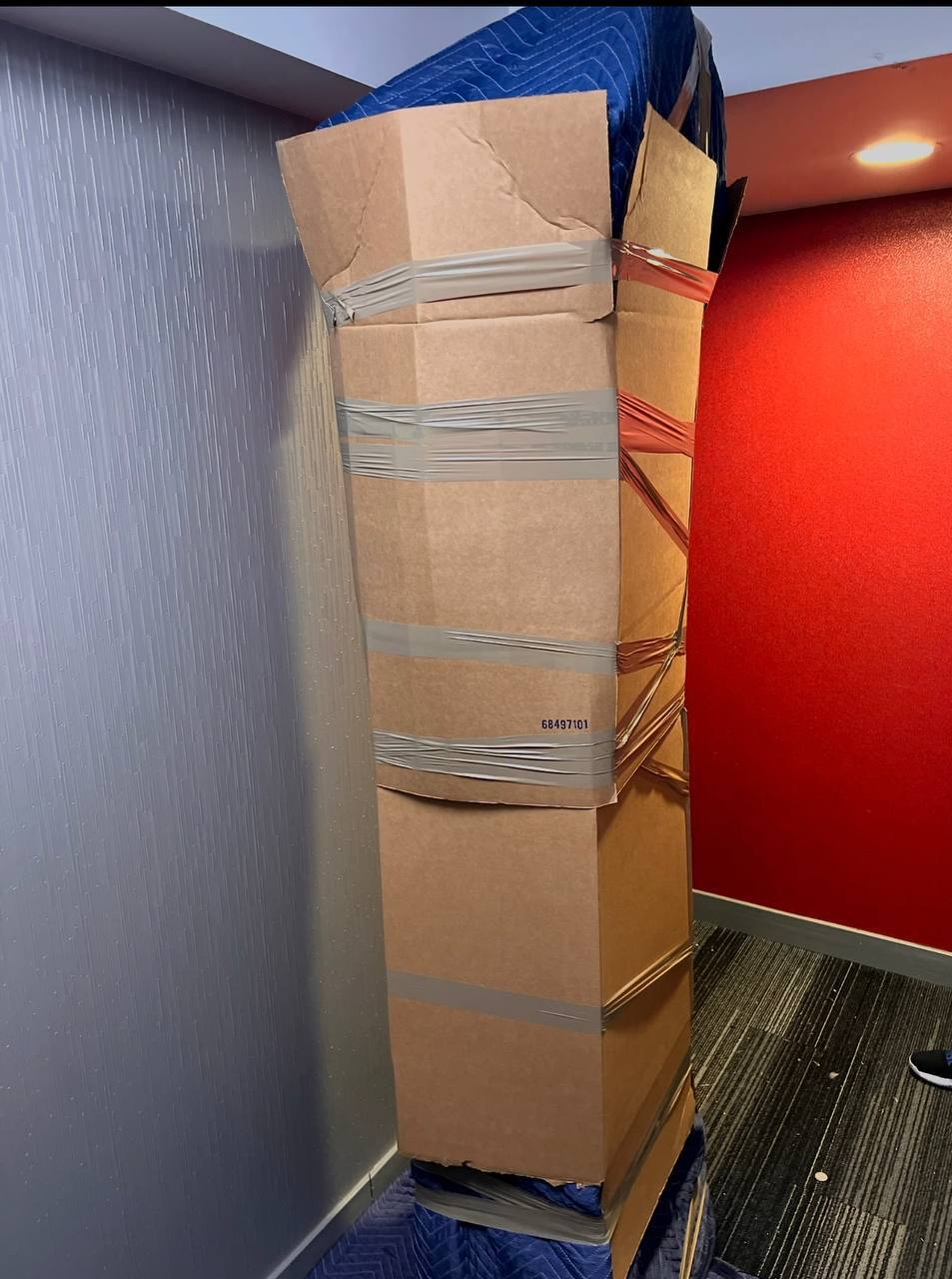
Mattresses are particularly vulnerable to moisture because they are large, fabric-covered items.
They should be properly protected before being carried outside.
A wet sidewalk or snowfall can quickly transfer moisture onto an unprotected mattress.
The same applies to upholstered sofas, chairs, and other fabric furniture.
Keeping these items covered during the move helps reduce exposure to snow, slush, and dirty outdoor surfaces.
What About Wooden Furniture?
Cold weather itself is not necessarily a reason to avoid moving wooden furniture.
The bigger concern is exposure to moisture and sudden changes in conditions.
Furniture should be protected during carrying and transportation, particularly if snow or freezing rain is falling.
Avoid leaving wooden pieces sitting outside unnecessarily while the truck is being loaded.
Efficient loading reduces the amount of time furniture spends exposed to winter weather.
Should You Wrap Everything in Plastic?
Not necessarily.
Different materials require different types of protection.
Plastic can be useful as an exterior barrier against moisture, but it should not be treated as the only form of furniture protection.
Furniture pads and appropriate protective materials are still important for preventing scratches and impact.
The right combination depends on the item and the weather conditions.
Winter Moving and Electronics
Electronics should not be left exposed to extreme cold unnecessarily.
This is especially relevant for:
- televisions;
- computers;
- monitors;
- sensitive equipment.
If electronics have been exposed to very cold temperatures during transportation, allow them to reach an appropriate indoor temperature before turning them on.
Rapid temperature changes can create condensation, which can be harmful to electronic components.
When possible, keep sensitive electronics protected and limit unnecessary exposure to the cold.
What Should You Keep With You?
Winter makes an accessible personal bag especially useful.
Keep items such as:
- warm clothing;
- gloves;
- phone chargers;
- medications;
- important documents;
- basic toiletries;
- essential electronics.
Do not put everything you may need that evening into a box at the back of the moving truck.
You may arrive at your new home before every box is accessible.
What Should You Wear on Moving Day?
Wear clothing that allows you to move comfortably between indoor and outdoor areas.
Useful items can include:
- warm layers;
- gloves;
- waterproof outerwear;
- shoes with good traction.
Avoid footwear that becomes slippery on wet or icy surfaces.
You may spend part of the day indoors and part of it outside, so layers are generally more practical than a single heavy piece of clothing.
Why Footwear Matters
Winter moving involves repeated transitions between different surfaces.
You may move from:
heated building → wet entrance → snowy sidewalk → truck → building
Good traction becomes particularly important when carrying something heavy.
A stable walking surface is one of the simplest ways to make winter moving safer and more efficient.
Parking Can Be More Difficult in Winter
Parking conditions can change significantly during winter.
Snow can reduce the amount of usable street space and make some areas more difficult to access.
A truck may also need additional room to maneuver around snowbanks, parked vehicles, or narrow streets.
Before moving day, determine where the truck can safely and legally load and unload.
The closer the truck can get to the entrance, the shorter the carrying route generally becomes.
Why Snowbanks Matter
After a snowfall, snow is often pushed toward the edge of the street.
This can reduce available parking space and create a physical barrier between the truck and sidewalk.
A parking location that looks convenient under normal conditions may become less practical after significant snowfall.
This is another reason to check access shortly before the move rather than relying only on the usual parking arrangement.
What About Apartment Building Loading Areas?
Some Chicago buildings have designated loading areas that must be used for moves.
During winter, these areas may become partially blocked by snow, vehicles, or other obstacles.
Confirm with building management that the loading area will be accessible during your moving window.
If there are specific building procedures for winter conditions, make sure everyone involved understands them beforehand.
Does Winter Affect Moving Time?
It can.
Snow, ice, longer carrying routes, difficult parking, and additional protection can all increase the amount of time required.
For example, carrying a sofa 100 feet across a dry sidewalk is different from carrying it the same distance through snow and slush.
The physical distance has not changed.
The difficulty of the route has.
That is why winter conditions should be included when planning the schedule.
Why the Shortest Route Is Not Always the Best Route
During winter, the safest route may not be the shortest.
A side entrance might be closer but covered with ice.
A slightly longer route may have a clear, maintained walkway.
For heavy furniture, a stable route is more important than saving a few steps.
Movers need enough space to maneuver furniture without slipping or damaging the property.
Preparing the Destination Before the Truck Arrives
The destination needs as much attention as the property you are leaving.
Before unloading begins:
- clear the entrance;
- remove snow and ice;
- make sure the walkway is accessible;
- confirm elevator access;
- clear interior paths;
- prepare the rooms where furniture will be placed.
A move can start smoothly and still become difficult if the destination is not ready.
What If the New Home Is Empty?
An empty home is generally easier to prepare because you have full access to the floors and walkways.
Use this opportunity to make the route as clear as possible.
If snow or ice is expected, check the property shortly before the move.
Do not assume that because the home is vacant, the entrance will automatically be accessible.
Moving Into a Chicago High-Rise in Winter
High-rise moves can be manageable in winter, but building coordination becomes especially important.
Confirm:
- freight elevator reservation;
- moving hours;
- loading area;
- building entrance;
- floor protection requirements;
- access for the moving crew.
The outdoor weather may be difficult, but once belongings reach the building, the elevator and interior route should allow the crew to work efficiently.
Winter Moves and Furniture Disassembly
Disassembly can be particularly useful when large furniture would otherwise require more difficult handling through snow-covered entrances or narrow interior routes.
A large bed frame, table, sectional, or wardrobe may be easier to move in smaller components.
The decision should be based on:
- furniture construction;
- doorway dimensions;
- elevator size;
- stairs;
- carrying distance.
Disassembly is not automatically necessary for every piece of furniture.
It is useful when it makes the route more manageable.
Packing Fragile Items for Winter
Fragile belongings need protection from the same impacts and movement as during any other season, but winter adds another consideration: moisture.
Glassware, dishes, artwork, and electronics should remain protected from snow and water.
Boxes should not be placed directly in wet or snowy areas.
If a carton becomes wet, its structural strength can be affected, which is another reason to minimize exposure to outdoor moisture.
What About Boxes in Snow?
Cardboard boxes should not be left sitting directly on snow or wet pavement.
Moisture can weaken the cardboard and damage the contents.
During loading and unloading, boxes should move through outdoor areas efficiently rather than being left outside while the crew handles other items.
Fragile or moisture-sensitive belongings deserve particular attention.
Winter Is a Good Reason to Finish Packing Early
Packing at the last minute is difficult in any season, but winter adds another variable.
If the moving crew arrives and half of the belongings still need to be prepared, the schedule can become more complicated.
When weather conditions are changing, having the household ready allows the crew to begin moving without unnecessary delays.
If you are using partial packing, decide in advance which belongings you will handle yourself and which items the movers will pack.
What to Do the Night Before a Winter Move
The evening before the move, check the practical details rather than trying to solve everything in the morning.
Confirm:
- weather conditions;
- building access;
- elevator reservation;
- parking;
- driveway and walkway;
- packing status;
- personal essentials;
- furniture preparation.
If snow is expected overnight, know who will clear the access route.
This is particularly important for early-morning moves.
Winter Moving Day Checklist
Before the crew arrives, check the following:
Outside
- driveway or loading area accessible;
- snow cleared;
- ice treated appropriately;
- walkway usable;
- entrance accessible;
- truck parking location understood.
Inside
- hallways clear;
- furniture paths accessible;
- elevator ready;
- fragile boxes protected;
- rooms ready for furniture placement.
Personal
- warm clothing;
- suitable footwear;
- phone;
- charger;
- medications;
- important documents;
- essentials bag.
This simple preparation can eliminate many avoidable delays.
What If the Weather Becomes Severe?
Not every winter weather event should be treated the same way.
Light snow and cold temperatures are one situation.
Severe conditions involving dangerous ice, major snowfall, or unsafe travel conditions are another.
If weather conditions create a genuine safety problem, communication becomes important.
The moving schedule may need to be adjusted depending on the severity of the conditions and the ability to access both properties safely.
The priority should always be safe access for the crew and the customer.
Winter Moving Does Not Have to Be Complicated
The biggest mistake is treating winter weather as an unexpected event.
In Chicago, winter conditions are a normal possibility and can be incorporated into the moving plan.
Clear access.
Confirm building logistics.
Prepare furniture and fragile belongings.
Plan parking.
Protect floors and moisture-sensitive items.
Keep essential personal belongings accessible.
Once these details are handled, the weather becomes one factor in the move rather than the thing that controls the entire day.
Final Takeaway
A Chicago winter move requires more attention to access, moisture, parking, and preparation than a move during mild weather.
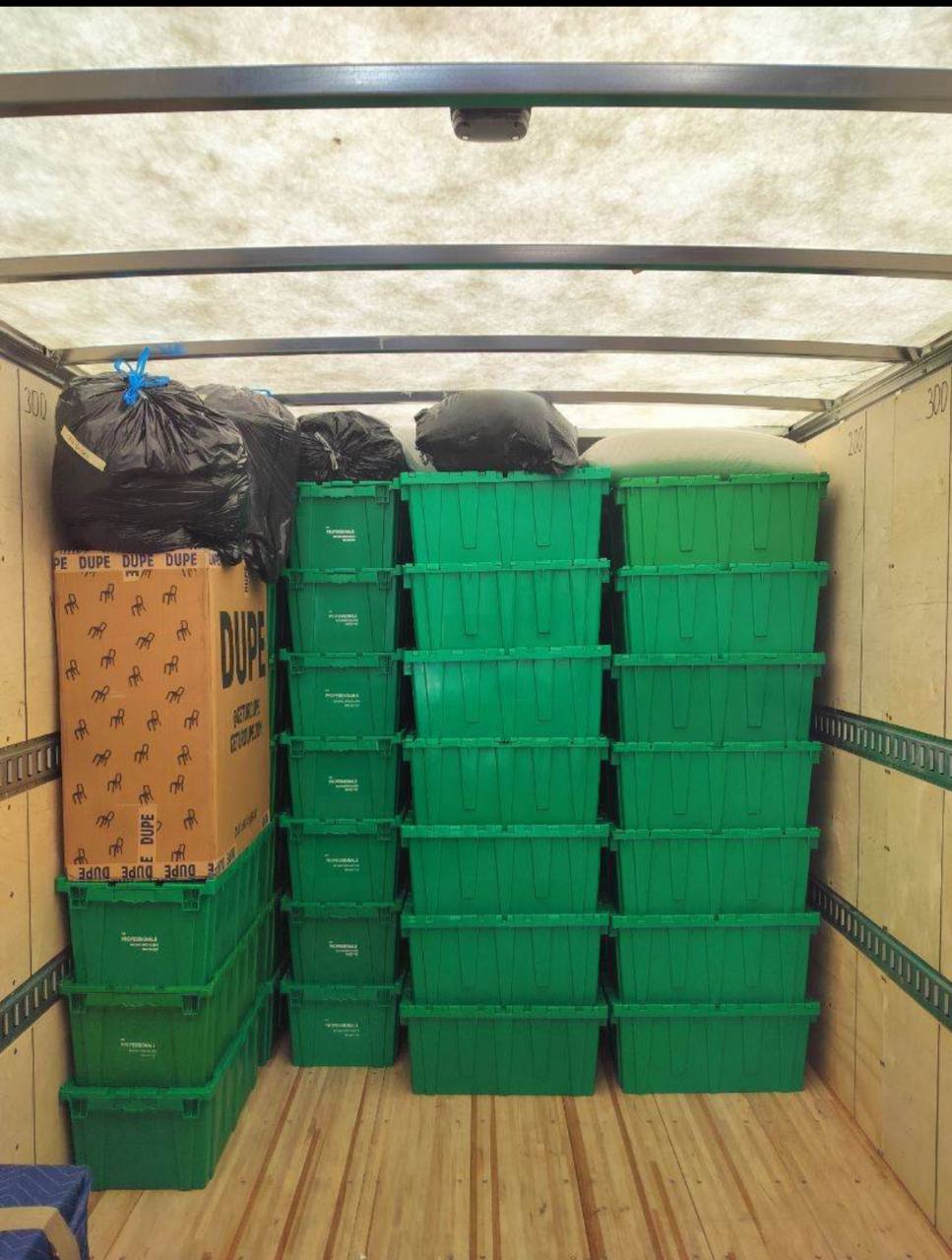
Snow and ice should be cleared from walking routes, building and elevator access should be confirmed, furniture and fragile belongings should be protected from moisture, and the truck should have a practical loading and unloading location.
The goal is not to eliminate every effect of winter weather.
It is to make the moving route as clear, safe, and efficient as possible.
With the property prepared and the logistics confirmed in advance, winter can be a perfectly workable time for a Chicago move.