
Partial Packing vs Full Packing: Which Moving Service Is Right for You?
Choosing between partial packing and full packing can significantly change how much work you handle before moving day. Partial packing lets you choose specific rooms or belongings for professional packing, while full packing puts the packing process for the entire home in the hands of the moving crew. The right option depends on how much you have already packed, how much time you have, what types of belongings you own, and how involved you want to be.
For one household, partial packing may be the most practical choice because the owners are comfortable packing clothes, books, and everyday belongings themselves. For another, full packing may make more sense because there is little time available or the entire home still needs to be prepared.
Understanding the difference helps you choose the service based on your actual moving situation rather than simply choosing between two service names.
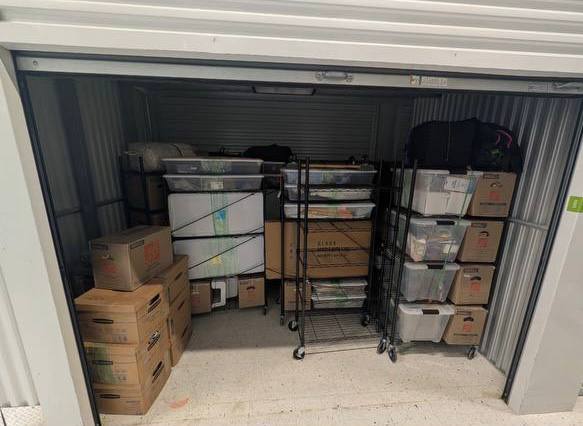
What Is the Difference Between Partial and Full Packing?
The fundamental difference is the scope of the packing work.
With partial packing, you decide which belongings or areas professional movers will pack. You may ask the crew to handle the kitchen, fragile items, artwork, or one particular room while you pack everything else.
With full packing, the goal is to have the professional crew pack the household throughout the home.
The distinction is easiest to understand through a typical example.
Imagine a two-bedroom apartment. You have already packed clothing, books, toys, and most personal belongings. The kitchen is still untouched, and there are several mirrors, framed pieces, and fragile decorative items that you do not want to pack yourself.
In this situation, partial packing allows you to leave those specific tasks to the movers.
Now imagine a different situation: the move is approaching, very little has been packed, and the home contains a large number of belongings. Instead of dividing the work between yourself and the crew, you may prefer to have the professional team handle the packing throughout the home.
That is where full packing becomes more practical.
How Partial Packing Works
Partial packing is built around the idea that you do not have to outsource the entire packing process to get professional help.
You decide what you are comfortable handling and what you want the moving crew to take care of.
The scope can be based on a room:
- kitchen;
- dining room;
- home office;
- bedroom;
- storage area.
Or it can be based on a type of belonging:
- glassware;
- dishes;
- artwork;
- mirrors;
- electronics;
- fragile decorations.
It can even be limited to selected items.
This flexibility is particularly useful if you have already made progress with your move preparation.
A Typical Partial Packing Plan
For example:
You pack:
- clothing;
- books;
- linens;
- toys;
- everyday personal belongings.
Professional movers pack:
- kitchen glassware;
- dishes;
- fragile decorations;
- artwork;
- mirrors.
The result is a shared packing process in which each side handles the work that makes the most sense for them.
How Full Packing Works
Full packing is designed for customers who want the professional crew to handle the packing process throughout the home.
Instead of determining which individual rooms or categories you will pack yourself, the entire household becomes part of the packing plan.
This can be particularly useful when there are many belongings to organize or when the customer has limited time before moving day.
The professional crew can work through the home systematically rather than waiting for the customer to finish each room independently.
For someone with a demanding work schedule, a large household, or a move approaching quickly, removing most of the packing responsibility can be more valuable than maintaining complete control over every box.
Which Option Gives You More Control?
Partial packing gives you more control because you decide exactly what professional movers handle.
You can organize personal belongings yourself, decide how you want certain items grouped, and keep important or frequently used possessions separate.
Full packing involves less day-to-day participation because the professional crew handles a much larger portion of the preparation.
That does not necessarily make full packing a worse option. It simply means the two services are designed for different priorities.
If control is important to you, partial packing may feel more comfortable.
If reducing your workload is the priority, full packing may provide a better solution.
What Should You Pack Yourself?
Everyday belongings that are easy to organize are usually the simplest candidates for DIY packing.
These can include:
- clothes;
- shoes;
- books;
- towels;
- bedding;
- toys;
- toiletries;
- personal belongings.
There is also a practical reason to keep some items under your own control: you know which things you will need immediately after arriving at your new home.
An essentials bag or box can contain:
- medications and personal necessities;
- basic toiletries;
- a change of clothes;
- chargers;
- important documents;
- items needed during the first night.
These belongings should remain separate from the general moving load regardless of whether you choose partial or full packing.
What Is Better Left to Professional Packers?
The best candidates for professional packing are generally items that are fragile, numerous, awkward, valuable, or simply time-consuming to prepare.
A kitchen is a good example.
One cupboard may contain dozens of individual glasses, plates, bowls, mugs, and other pieces. Each item requires attention, and the number of individual packing steps can quickly add up.
The same applies to artwork and mirrors. These items may require more careful protection than ordinary household belongings.
Electronics can also require additional attention because cables, components, screens, and accessories need to be organized rather than simply placed into a box.
This does not mean that these belongings must be professionally packed. It means they are often the parts of a move where professional packing provides the greatest practical benefit.
Partial Packing vs Full Packing for a Kitchen
The kitchen is often where the difference between the two services becomes especially clear.
With partial packing, you can have the kitchen professionally packed while taking care of the rest of the apartment yourself.
This can be useful because kitchens contain many small, fragile, and irregularly shaped items.
You may have:
- everyday dishes;
- glassware;
- cookware;
- serving pieces;
- small appliances;
- decorative objects;
- pantry-related items.
Packing all of these yourself can become a substantial task.
With full packing, the kitchen becomes one part of the larger household packing process. You do not have to organize the kitchen separately because the professional crew handles the packing throughout the home.
The better option depends on whether the kitchen is your only major packing problem or part of a much larger workload.
What If You Have Already Started Packing?
Already having packed some of your belongings does not mean full packing is automatically unnecessary, nor does it mean you have to continue doing everything yourself.
Instead, look at what remains.
Suppose you have already packed three quarters of your apartment. The remaining work includes the kitchen, fragile items, and artwork.
In that case, partial packing can allow you to preserve everything you have already done while bringing in professional help for the remaining difficult areas.
On the other hand, if you have packed only a few boxes and almost the entire home remains unfinished, it may be worth considering whether continuing independently is realistic.
The important question is not:
"How much have I already packed?"
It is:
"How much difficult packing remains, and how much time do I have to complete it?"
Which Option Is Better When You Are Short on Time?
When time is limited, full packing can reduce the amount of preparation you need to manage yourself.
However, partial packing can still be useful if only a few specific areas are causing the problem.
For example, you may have already packed everything except:
- the kitchen;
- fragile decorations;
- artwork;
- electronics.
There may be no reason to turn the entire move into a full packing project if those are the only areas that remain.
The closer the move gets and the more unfinished work accumulates, the more useful it becomes to assess the packing workload realistically.
Packing often takes longer than expected because it involves sorting, wrapping, organizing, labeling, and preparing individual items—not simply filling boxes.
How Does the Choice Affect Moving Day?
The packing decision can affect how prepared your home is when the moving crew arrives.
With partial packing, the agreed packing scope should be clear before moving day. You know which belongings you are responsible for and which the crew will handle.
With full packing, the professional crew has a much larger packing role, so the move preparation is less dependent on you completing the household packing beforehand.
For apartment and condo moves in Chicago, preparation can be especially important because buildings may have elevator reservations, loading restrictions, designated access areas, or specific requirements from building management.
The less unfinished packing remains when access time is limited, the easier it is to keep the moving process organized.
Partial Packing vs Full Packing: A Practical Comparison
| Factor | Partial Packing | Full Packing |
|---|---|---|
| Packing scope | Selected rooms or items | Entire home |
| Customer involvement | Moderate to high | Low |
| Control | High | Lower |
| DIY packing | Yes | Minimal |
| Professional help with fragile items | Yes | Yes |
| Best for | Targeted assistance | Maximum workload reduction |
| Useful when already packed | Very useful | Less necessary in many cases |
| Best when almost nothing is packed | May be less practical | Often more practical |
The table shows the basic distinction, but the decision should still be based on your specific move.
A small apartment with very few belongings may not require extensive professional packing even if you want help with fragile items.
A larger home with several rooms full of belongings may justify a much broader packing scope.
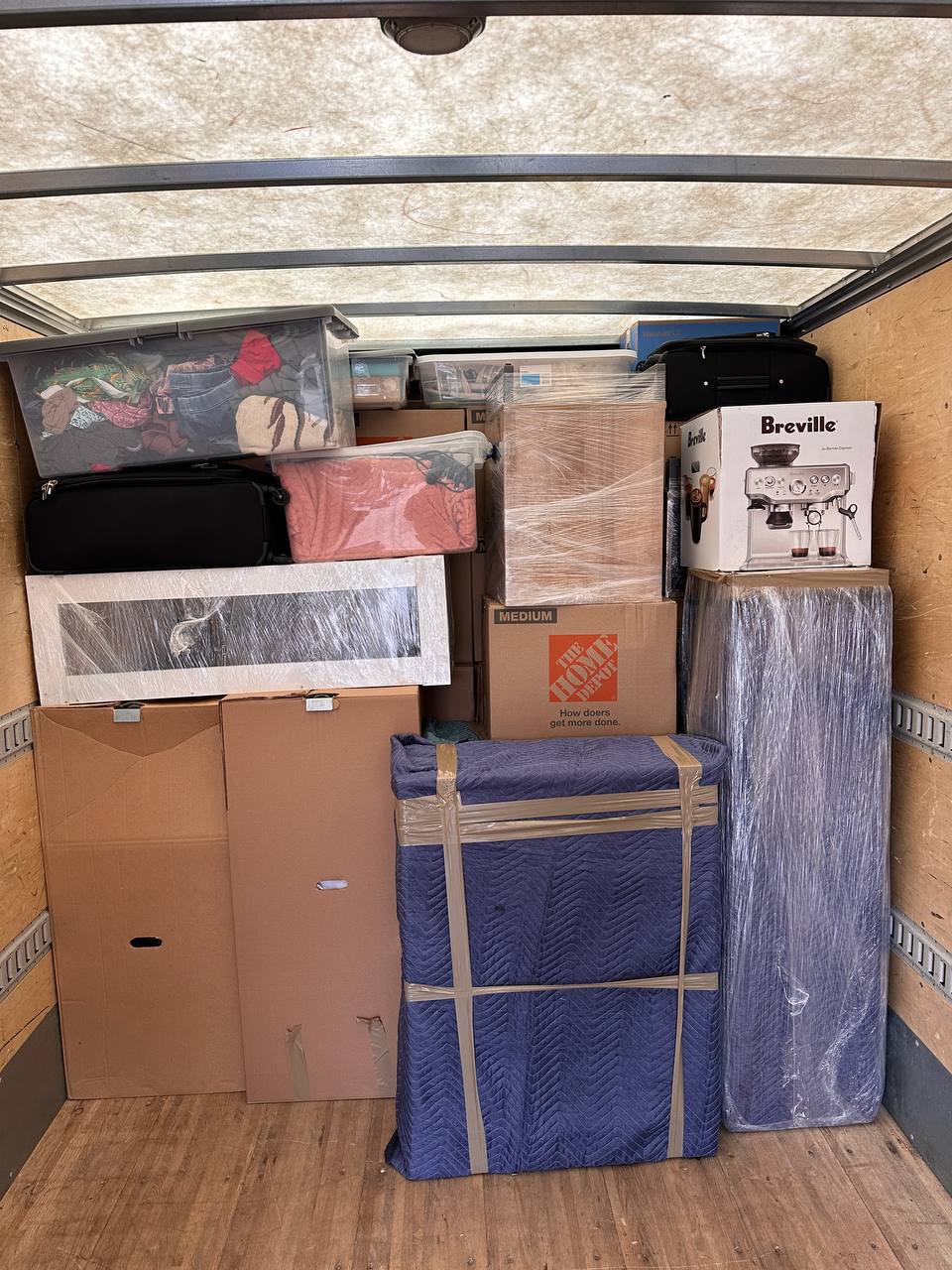
When Partial Packing Is the Better Choice
Partial packing may be the better fit when:
- you have already packed a significant portion of your home;
- you want to keep control over personal belongings;
- only certain rooms need professional attention;
- the kitchen is the main packing challenge;
- you have fragile items that you do not want to handle yourself;
- you have enough time to pack ordinary belongings;
- you want to reduce your workload without handing over the entire process.
In other words, partial packing works best when the packing workload is uneven.
Some parts of your home are easy for you to handle. Other parts are much more demanding.
There is no reason to treat them all the same.
When Full Packing Is the Better Choice
Full packing may make more sense when:
- very little has been packed;
- the household contains a large number of belongings;
- the move is approaching quickly;
- you have limited time available;
- you do not want to spend evenings and weekends packing;
- there are many rooms that need to be prepared;
- you want to minimize your personal involvement in the packing process.
The strongest argument for full packing is usually not convenience alone. It is the amount of work removed from your moving schedule.
If packing the entire household would require days of preparation that you simply do not have, professional full packing can make the overall move easier to manage.
Can You Combine DIY Packing With Professional Packing?
Yes. That combination is exactly what partial packing is designed for.
You do not have to divide the household according to an arbitrary percentage.
Instead, divide it according to the type of work.
For example:
You handle:
clothing, books, linens, toys and personal belongings.
Professional movers handle:
kitchen, glassware, artwork and fragile decorations.
This approach lets you use your time where it is most effective.
You can also change the scope if circumstances change. If you planned to pack the kitchen yourself but realize that it is taking much longer than expected, you can consider having that part handled professionally rather than allowing it to delay the entire move.
How to Choose the Right Packing Service for Your Move
The simplest way to choose between partial and full packing is to evaluate four things:
1. How Much Is Already Packed?
If most of the home is finished, partial packing may be enough.
If almost everything remains, full packing may be more practical.
2. How Much Time Do You Have?
A move several weeks away gives you more flexibility.
A move approaching within days leaves less room for unfinished packing.
3. Which Items Are Difficult?
Look specifically at fragile, time-consuming, or complicated belongings.
These are often the best candidates for professional packing.
4. How Involved Do You Want to Be?
If you want to organize most of your belongings yourself, partial packing gives you more control.
If your priority is to remove packing from your list of responsibilities, full packing may be the better fit.
The Chicago Factor
Chicago moves can involve additional preparation that is easy to overlook when focusing only on boxes.
Apartment and condo buildings may have specific rules concerning:
- elevator use;
- freight elevators;
- loading areas;
- parking;
- building access;
- move-in and move-out windows.
A packing plan should therefore fit into the overall moving schedule.
For example, if you have a limited elevator window, arriving at that point with a large amount of unfinished packing can make the day more complicated.
This is one reason why targeted professional packing can be useful even for customers who prefer to handle most of their belongings themselves.
The Bottom Line: Partial or Full Packing?
There is no universal winner between partial and full packing.
Partial packing is generally the better choice when you want control and targeted professional assistance. You handle the straightforward belongings yourself and leave the most difficult parts to the moving crew.
Full packing is generally the better choice when your priority is to minimize your own packing workload. The professional crew handles the packing throughout the home, allowing you to focus on other parts of the move.
A useful rule is simple:
If you can comfortably handle the easy parts but need help with the difficult ones, consider partial packing.
If you do not want to manage the packing process at all, consider full packing.
The right service is the one that matches the actual amount of work you are prepared to take on—not necessarily the largest or smallest service available.
For many Chicago moves, partial packing provides a practical middle ground: you stay involved where you want to, while professional movers take care of the parts of packing that consume the most time or require the most care.