
How to Prepare a Refrigerator, Washer and Other Appliances for Moving
Large appliances need more preparation than ordinary household items. A refrigerator has to be emptied and prepared for transport, a washing machine needs to be drained, and appliances connected to water, gas or hardwired electricity may require a qualified professional for disconnection.
The goal is not simply to make an appliance lighter. It is to make sure the appliance, the home and the moving crew are ready for safe handling.
Preparing appliances in advance also helps prevent delays on moving day.
Which appliances need special preparation before a move?
Refrigerators, freezers, washing machines, dryers, dishwashers, ovens and ranges usually need more preparation than small countertop appliances.
The exact steps depend on how the appliance is connected and how it will be transported.
Before moving day, identify:
- appliances connected to water;
- appliances connected to gas;
- hardwired appliances;
- appliances containing water;
- appliances with removable shelves or loose parts;
- appliances that need to be moved through narrow doors or hallways.
The earlier these details are identified, the easier it is to plan the move.
How to prepare a refrigerator for moving
A refrigerator should be completely emptied, defrosted if necessary, cleaned and dried before movers arrive.
Remove food, ice and loose shelves or containers that could shift during transport. If the freezer contains significant ice buildup, allow enough time for it to defrost completely.
After cleaning, dry the interior thoroughly and leave the doors open for a period of time so moisture can escape.
The refrigerator should then be ready for careful handling and protection during the move.
Do not leave food inside simply because the refrigerator is being moved a short distance. A partially loaded refrigerator is harder to handle and loose contents can shift during transport.
Should a refrigerator be unplugged before movers arrive?
Yes. The refrigerator should normally be disconnected before the moving crew begins handling it.
If the refrigerator has a water or ice-maker connection, arrange for the water line to be properly shut off and disconnected as needed. Movers should not be expected to wait while a plumbing connection is dealt with on moving day.
For appliances involving plumbing, gas or hardwired electrical connections, the appropriate qualified professional should handle the disconnection when required.
This is particularly important when moving into or out of an apartment building where building management may also have requirements.
How to prepare a washing machine for moving
A washing machine needs to be completely drained before it is moved.
Run the appropriate drain or spin cycle, then disconnect the water supply and remove the hoses. Any remaining water should be removed from the machine and hoses before transport.
Clean and dry the washer interior as well.
If the manufacturer supplied shipping or transit bolts for the drum, check whether they should be installed before transport. These components are designed to stabilize the drum during movement.
Keep hoses, fittings and other removable parts together so they are available when the machine is installed again.
A washer that still contains water can leak during handling and make the moving process more difficult.
How to prepare a dryer for moving
Start by emptying the dryer and cleaning the lint area.
Unplug an electric dryer before it is moved. A gas dryer requires additional care because of its gas connection. Gas disconnection should be handled by an appropriately qualified professional rather than improvised on moving day.
The vent connection should also be disconnected before the dryer is moved.
Keep the power cord, vent components and other removable parts together so they do not get separated from the appliance.
How to prepare a dishwasher for moving
A dishwasher should be empty, clean and dry before it is moved.
Because it is connected to both water and electricity, preparation can be more complicated than simply unplugging an appliance.
The water supply and drain connections need to be properly disconnected, and the electrical connection must be handled according to the type of installation.
If the dishwasher is hardwired or requires plumbing work, arrange for the appropriate professional before the moving crew arrives.
The appliance should not be left connected and expected to be disconnected while the movers are waiting.
How to prepare a stove or oven
The preparation depends on whether the range is electric, gas or another type.
An electric appliance should be disconnected according to its installation. A gas range requires particular attention because the gas connection must be safely shut off and disconnected by an appropriately qualified professional.
Clean the oven and remove loose racks, trays and other components that could move during transport.
Keep removable parts together with the appliance rather than packing them somewhere else in the apartment.
What about microwaves and other small appliances?
Small appliances usually require much less preparation.
Empty, clean and dry each appliance before packing it. Wrap cords securely and keep removable accessories together.
Microwaves should be packed so that the door and interior components are protected from impact.
Coffee makers, blenders, toasters and similar appliances can usually be handled as ordinary household items once they are clean, dry and properly packed.
Should appliances be cleaned before moving?
Yes. Cleaning appliances before the move makes preparation easier and prevents moisture, food residue and odors from being transported to the new home.
Pay particular attention to:
- refrigerator and freezer interiors;
- washing machine drum;
- dishwasher interior;
- oven and range;
- dryer lint area.
The important part is not achieving a perfect deep clean. The appliances should be empty, reasonably clean and completely dry before they are moved.
What should be removed from appliances?
Anything loose that could move, fall or break should be removed or secured.
Depending on the appliance, this can include:
- refrigerator shelves and drawers;
- freezer bins;
- washing machine accessories;
- dryer racks;
- oven racks;
- baking trays;
- dishwasher racks or removable components;
- removable water containers;
- loose cords and hoses.
Small parts should be kept together and clearly associated with the correct appliance.
This makes installation at the new home much easier.
How are large appliances protected during a move?
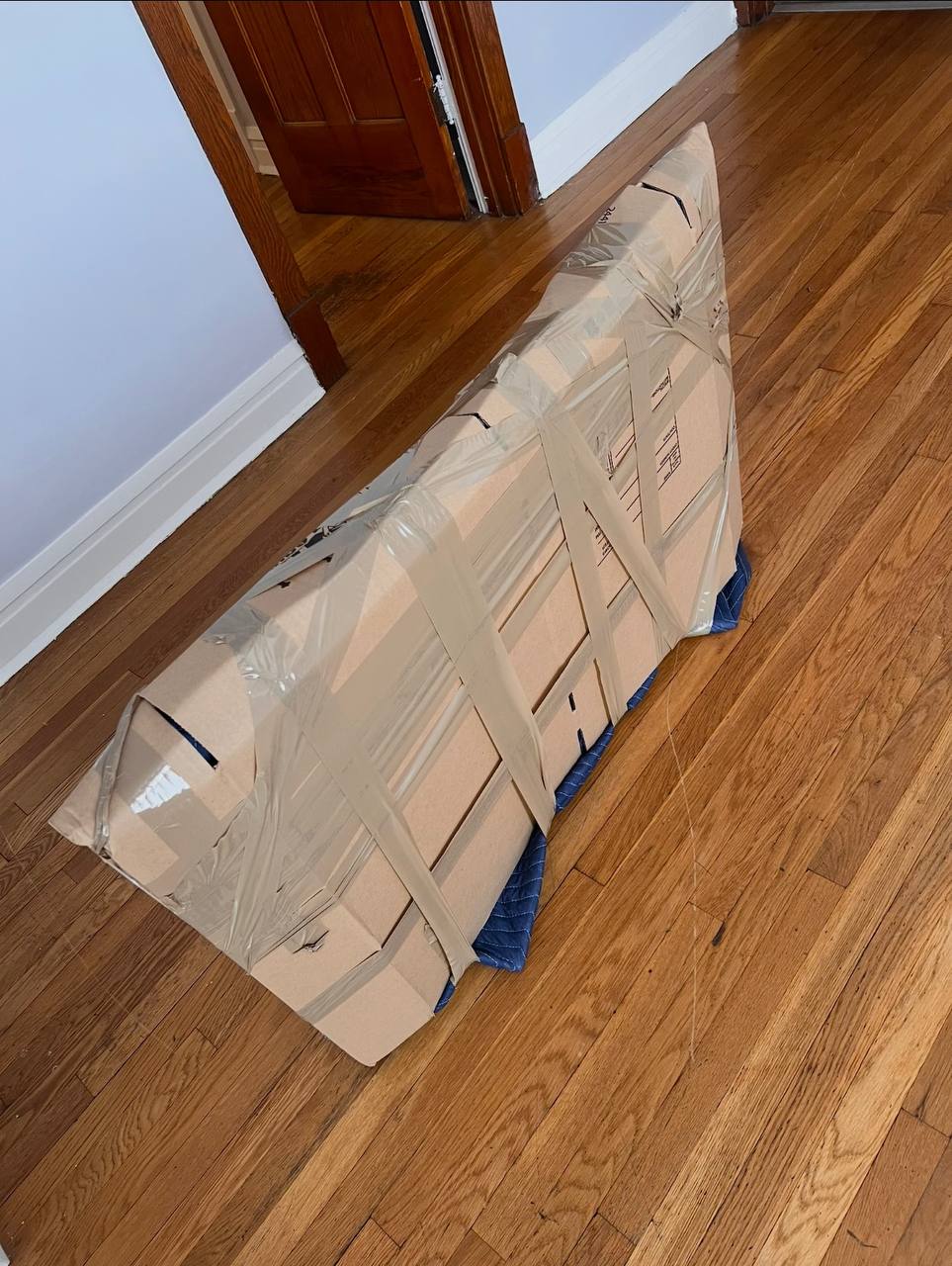
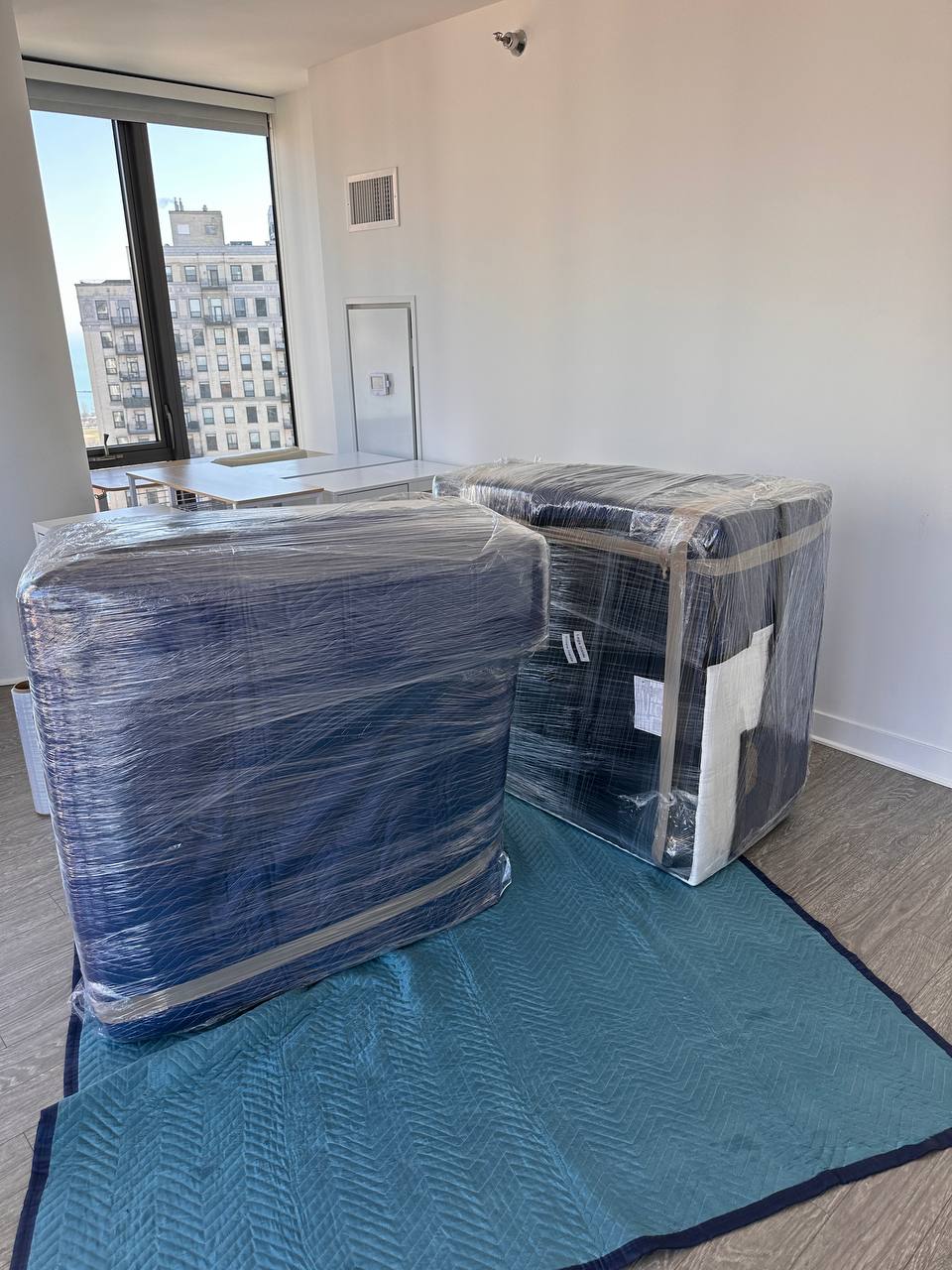
Large appliances should be moved using appropriate equipment and protected from contact with walls, floors and other belongings.
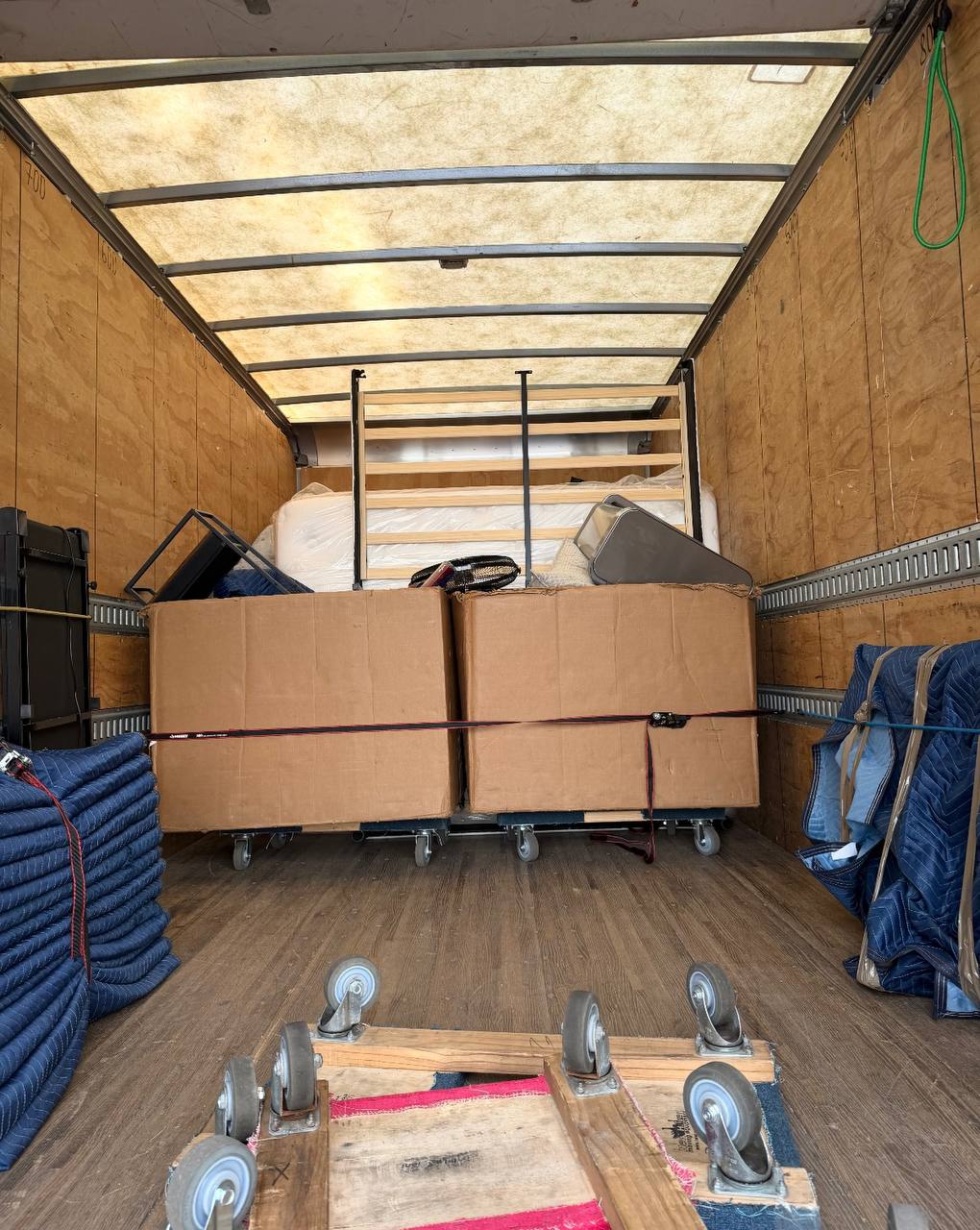
Movers may use appliance dollies, moving blankets, straps and other protective materials depending on the appliance and the route.
Protection is especially important when an appliance has to pass through a narrow doorway, hallway, staircase or elevator.
The route should be considered before the appliance is moved. A refrigerator that fits comfortably in an open kitchen may require a completely different approach once it reaches a narrow hallway or building entrance.
What if the appliance does not fit through the door?
Do not force it through.
Measure the appliance and the narrowest points along the route before moving day when possible. This includes doorways, hallways, stairwells and elevators.
Sometimes doors, handles or other removable components can be taken off to create additional clearance. In other situations, the appliance may require a different route.
This is one reason large appliances should be identified during the moving estimate rather than discovered when the crew arrives.
What should you do with appliance hoses and cords?
Keep cords, hoses and small fittings organized with the appliance they belong to.
Do not simply place everything in a random box. A labeled bag attached to or stored with the appliance can make the later installation much easier.
For example, the washer's hoses and fittings should remain together rather than becoming mixed with kitchen supplies.
If the appliance requires a special connector or component for installation, make sure it travels with the appliance.
Do movers disconnect appliances?
That depends on the appliance, the installation and the moving company's service.
Moving crews can generally handle the physical moving, protection, loading and unloading of appliances. However, connections involving gas, plumbing or hardwired electrical systems may require a qualified professional.
This distinction matters because the moving crew should not be responsible for work that requires a trade license.
Before moving day, confirm exactly what needs to be disconnected and who will handle it.
When should appliances be prepared?
Do not leave appliance preparation until the morning of the move.
Ideally, deal with the necessary preparation at least the day before. Refrigerators may need additional time for defrosting, and washing machines need time to drain and dry completely.
A useful sequence is:
Several days before: identify appliances that require special preparation and arrange professional disconnection if needed.
The day before: empty, clean, drain and dry appliances.
Moving day: appliances are ready for protection, handling and transport.
This keeps the moving crew from waiting for preparation work to be completed.
What about appliances in Chicago apartments?
Apartment moves in Chicago can make appliance preparation more complicated because the route may include narrow hallways, elevators, stairs and building access restrictions.
Before moving a large appliance, confirm:
- whether movers can use the service or freight elevator;
- whether the elevator needs to be reserved;
- whether the building requires protective padding;
- whether there is a loading area;
- whether the appliance can fit through the building entrance;
- whether building management has specific moving requirements.
A refrigerator or washer may be easy to move inside the apartment but difficult to get through the building if the elevator or hallway is restrictive.
Planning the route in advance helps avoid surprises.
What if you are moving only one appliance?
The same preparation principles apply even when the appliance is the only item being moved.
A refrigerator, washer or dryer still needs to be empty, disconnected as required and ready for safe handling.
Single-appliance moves can sometimes be more complicated than they appear because the appliance itself is only part of the problem. The crew also has to consider the route through the building, stairs, doorways, elevator access and loading location.
A simple appliance moving checklist
Before the movers arrive, make sure:
- refrigerator and freezer are empty;
- refrigerator is defrosted if necessary;
- appliances are clean and dry;
- washing machine is drained;
- washer hoses are disconnected;
- dryer is disconnected from its power or gas connection as required;
- dishwasher is disconnected from water and power as appropriate;
- gas appliances have been handled by the appropriate professional;
- loose shelves, racks and accessories are secured;
- cords and hoses are organized;
- the route has been checked for tight spaces;
- elevator and building requirements are confirmed.
The exact preparation depends on the appliance and its installation, so unusual or built-in appliances should be discussed before moving day.
The bottom line
Preparing appliances for a move is mostly about removing water, securing loose parts, handling connections correctly and making sure the appliance is ready before the movers arrive.
Refrigerators should be emptied, defrosted and dried. Washing machines need to be drained. Dryers, dishwashers and ranges require preparation based on their connections. Gas, plumbing and hardwired electrical work may require a qualified professional.
When appliances are prepared in advance, movers can concentrate on what they do best: protecting, carrying, loading and transporting your belongings safely.