
What Is Partial Packing and Who Is It Best For?
Partial packing is a moving service that lets you decide which belongings professional movers will pack while you handle the rest yourself. Instead of paying for someone to pack an entire home, you can get professional help with the parts of packing that take the most time, require extra care, or are simply difficult to do properly on your own.
For some people, that may mean having the kitchen packed. For others, it may be glassware, artwork, electronics, mirrors, or one particularly difficult room. You can pack clothes, books, and personal belongings yourself while leaving the more demanding items to a professional moving crew.
This makes partial packing a practical middle ground between completely packing everything yourself and choosing full packing service.
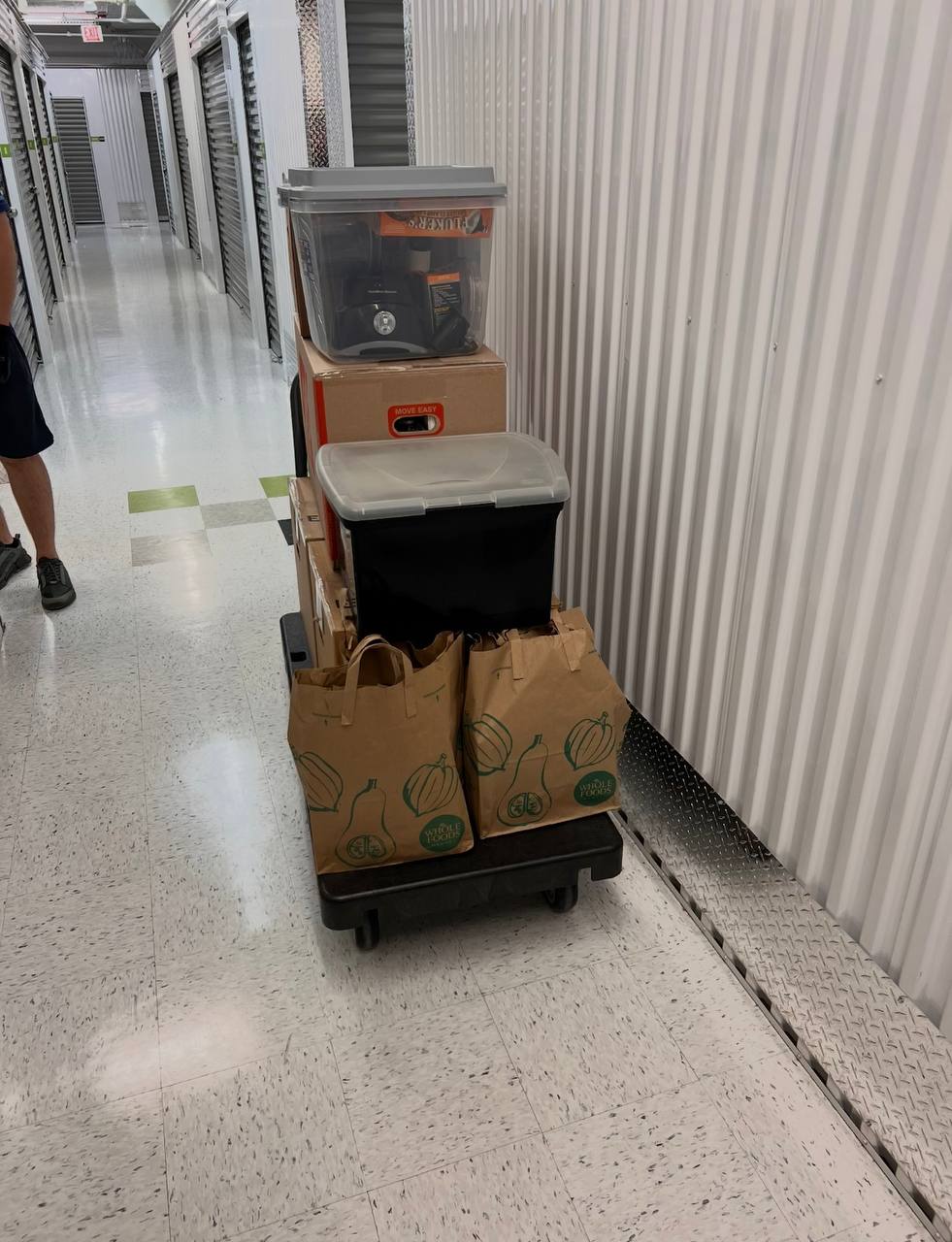
What Partial Packing Actually Means
Partial packing means that the packing work is divided between you and the moving crew. You remain in control of what you want to pack yourself, while professional movers handle the items or areas you select.
The important point is that partial packing is not a reduced version of full packing. It is a flexible approach designed around the actual needs of your move.
For example, imagine a two-bedroom Chicago apartment. You may be perfectly comfortable putting clothes, books, linens, and everyday belongings into boxes. The kitchen, however, may contain dozens of glasses, plates, serving pieces, small appliances, and other items that require more careful preparation.
Instead of paying someone to pack the entire apartment, you could have the movers pack the kitchen while you handle everything else.
The same principle works for a single category of belongings. You may want professional help with:
- glassware and dishes;
- artwork and framed pieces;
- mirrors;
- electronics;
- delicate decorations;
- collectibles;
- a home office;
- a specific room;
- items that are awkward or time-consuming to protect.
The scope can be determined around the move rather than around a fixed package.
Why People Choose Partial Packing
The main advantage is control.
You do not have to choose between doing everything yourself and handing over the entire packing process. Instead, you can divide the work according to what makes sense for you.
Someone who has several weeks before moving may pack personal belongings gradually but leave fragile items for professionals.
Someone moving on a tight schedule may already have most boxes prepared but still have an entire kitchen to deal with.
Someone else may simply feel comfortable packing everyday belongings but not want to risk improperly protecting artwork, glass, or electronics.
Partial packing accommodates all three situations.
What Can Be Included in Partial Packing?
Partial packing can cover an entire room, a specific category of belongings, or only a few items. The most useful way to decide what to include is to look at which parts of your home require the most time, materials, or care.
Kitchen Packing
The kitchen is one of the most common areas people choose to have professionally packed because it contains a large number of small and fragile items.
A kitchen may include:
- plates and bowls;
- drinking glasses;
- wine glasses;
- mugs;
- serving dishes;
- cookware;
- small appliances;
- decorative kitchen items;
- other breakable pieces.
Packing these items properly is more than simply putting them into boxes. Items need to be wrapped, positioned, cushioned, and packed so that they do not shift excessively during transportation.
If you are comfortable packing clothing and books but do not want to spend hours wrapping every glass and dish, kitchen-only packing can be a logical use of partial packing.
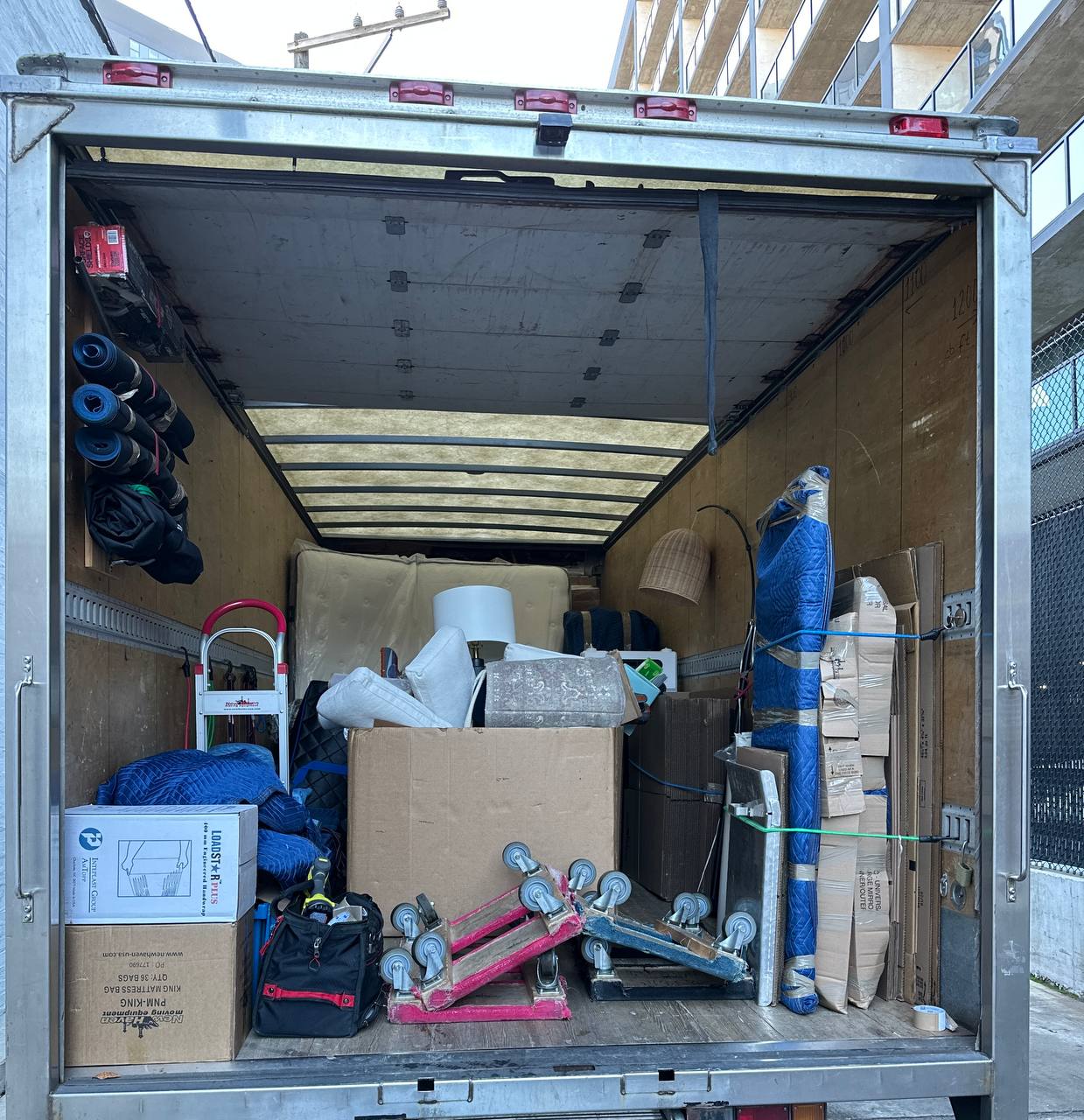
Fragile Items
You can also use partial packing specifically for fragile belongings without having an entire room packed.
This can include:
- glassware;
- mirrors;
- framed artwork;
- decorative objects;
- electronics;
- delicate furniture components;
- other items that require additional protection.
This approach is particularly useful when most of your belongings are straightforward to pack but a small number of items require more attention.
One Room or Selected Areas
Partial packing does not have to follow a specific category.
You might choose to have:
- the kitchen packed;
- the dining room packed;
- one home office packed;
- a child's room packed;
- a basement or storage area packed;
- only selected cabinets packed.
This can be especially useful when one room has become the main obstacle to finishing the move.
You may have already packed 80% of the apartment but still be staring at a kitchen full of dishes and glassware. Rather than starting the entire packing process again, you can simply have that remaining portion handled professionally.
What Should You Pack Yourself?
The best items to pack yourself are generally the belongings that are easy to organize, do not require specialized protection, and are things you want to keep under your own control.
These often include:
- clothing;
- shoes;
- books;
- linens;
- towels;
- everyday personal belongings;
- documents and personal papers;
- toiletries;
- other non-fragile items.
It also makes sense to keep a small group of essential belongings separate from everything else. These are the things you may need immediately before, during, or after the move.
A practical approach is to create an essentials bag or box containing the items you will need first at your new home.
The goal is not to pack as much as possible yourself. The goal is to decide which work is worth doing yourself and which work is better delegated.
How to Decide What Movers Should Pack
A simple way to make the decision is to evaluate each category of belongings according to three factors: fragility, time, and difficulty.
Fragile:
Does the item require careful wrapping or additional cushioning?
Time-consuming:
Will packing this category take several hours because there are many individual pieces?
Difficult:
Would you be unsure how to protect the item properly?
If the answer is yes to one or more of these questions, that category may be a good candidate for partial packing.
For example, packing a wardrobe of everyday clothing may be straightforward. Packing an entire kitchen full of glassware can be much more labor-intensive. Packing several framed pieces of artwork may require a different approach again.
This is why partial packing is usually more useful when it is planned around the difficult parts of the move, rather than simply around a percentage of the home.
Partial Packing vs. Full Packing vs. DIY
The main difference between these three approaches is how much of the packing work you want to handle yourself.
| DIY Packing | Partial Packing | Full Packing | |
|---|---|---|---|
| Who packs? | You | You + movers | Movers |
| Control over the process | Highest | High | Lower |
| Your packing workload | Highest | Moderate | Minimal |
| Professional help with fragile items | No | Yes | Yes |
| Can specific rooms be selected? | N/A | Yes | Entire home |
| Best for | People with time and confidence | People who want targeted help | People who want the packing handled |
DIY Packing
DIY packing gives you complete control over how your belongings are organized and when you pack them.
It can work well when you have enough time and do not mind doing the physical and organizational work yourself.
The downside is that packing often takes longer than expected, especially when the final rooms are left until the last few days.
Partial Packing
Partial packing gives you control without requiring you to handle every difficult item.
You can pack the straightforward belongings yourself and bring in professional help for the areas that create the most work.
This is often the most balanced option for people who want to remain involved but do not want to spend the entire moving period wrapping fragile items.
Full Packing
Full packing is designed for people who want the professional crew to handle the packing throughout the home.
It can make sense when time is limited, the household contains a large volume of belongings, or the customer simply does not want to manage the packing process.
The right choice depends less on the size of the move and more on how much work you want to take on yourself.
Who Is Partial Packing Best For?
Partial packing is particularly useful for people who want professional assistance without giving up control of the entire packing process.
It can be a good fit if you:
- have already started packing;
- have enough time to pack some belongings yourself;
- want to reduce the amount of work before moving day;
- have many fragile items;
- do not feel confident packing glassware or artwork;
- want the kitchen handled professionally;
- have one room that is significantly more difficult than the others;
- are moving from an apartment or condo with limited preparation time;
- want to stay involved in organizing your belongings.
It can also be useful when your circumstances change.
For example, you may initially plan to pack everything yourself. Then, a few days before the move, you realize that the kitchen, artwork, and fragile items are still untouched.
You do not necessarily need to switch to full packing. Partial packing allows you to hand over only the unfinished or difficult parts.
When Partial Packing Makes More Sense Than Full Packing
Partial packing tends to make the most sense when the customer can comfortably handle the simple parts of packing but needs assistance with the demanding parts.
Consider a typical apartment move.
You may have already packed:
- clothes;
- books;
- linens;
- children's toys;
- personal belongings.
What remains may be the kitchen, artwork, mirrors, electronics, and other fragile items.
Having those categories packed professionally can remove a significant amount of work without requiring a full packing service.
The opposite can also be true.
If almost nothing has been packed and the move is approaching quickly, full packing may be more practical because there may simply be too much work to divide efficiently.
The decision should therefore be based on how much packing remains and how difficult that work is, not simply on whether you want to save money.
How Partial Packing Works During a Move
The process begins by identifying exactly what you want the moving crew to pack.
Instead of saying simply, "I need packing," you can define the scope more precisely:
Pack the kitchen and dining room, but leave clothes, books, and personal belongings for me.
Or:
I have already packed most of the apartment. I only need help with glassware, artwork, and electronics.
Once the scope is clear, the packing work can be organized around those priorities.
1. Define the Scope
Identify the rooms, categories, or individual items that need professional packing.
2. Separate Your DIY Packing
Keep the belongings you intend to pack yourself organized so there is no confusion about what belongs in the professional packing scope.
3. Prepare the Selected Items
The movers can focus on the items that require professional attention rather than spending time on belongings you have already handled.
4. Pack and Protect
The crew packs the selected belongings using appropriate packing materials and methods for the type of item.
5. Continue With the Move
Once the selected items are packed, the moving process continues with loading, transportation, and unloading.
This division of work is what makes partial packing different from simply hiring someone to "help with boxes." The service is built around clearly defined packing responsibilities.
What About Packing Materials?
Packing materials depend on what is being packed and how much protection those items require.
Common materials used for moving include:
- moving boxes;
- packing paper;
- protective wrap;
- specialty boxes;
- cushioning materials;
- tape;
- labels.
Fragile belongings may require different materials from books or clothing.
For example, glassware requires more individual protection and cushioning than a box of folded towels.
If you are packing some belongings yourself and hiring professionals for others, it is useful to clarify which materials are included for the professional packing portion and which materials you will need for your DIY packing.
How Much Time Does Partial Packing Take?
There is no single packing time for every partial move because the scope can vary dramatically.
Packing one small group of fragile items is very different from packing an entire kitchen.
The main factors are:
- number of items;
- number of rooms;
- amount of fragile belongings;
- size of the kitchen;
- quantity of artwork or mirrors;
- amount of preparation already completed;
- accessibility of the items;
- organization of the space.
A useful way to think about it is not "How long does partial packing take?" but rather:
How much packing work am I removing from my own moving schedule?
If you have already packed most of your home, professional help with the remaining difficult items can allow you to finish the move preparation without spending another full day or several evenings on packing.
Partial Packing for Chicago Apartments and Condos
Chicago apartment and condo moves can add practical complications to the packing process because the packing work is only one part of preparing for moving day.
Buildings may have:
- elevator reservations;
- freight elevator requirements;
- designated loading areas;
- restricted access times;
- narrow hallways;
- stairs;
- building management requirements.
That makes organization especially important.
If the packing is still unfinished when the moving crew arrives, the available access window can become harder to use efficiently. Having the most time-consuming packing completed in advance—or assigning selected packing tasks to professionals—can make the moving day easier to coordinate.
For high-rise or condo moves, it is also important to confirm building requirements before moving day rather than assuming the crew can access the building without restrictions.
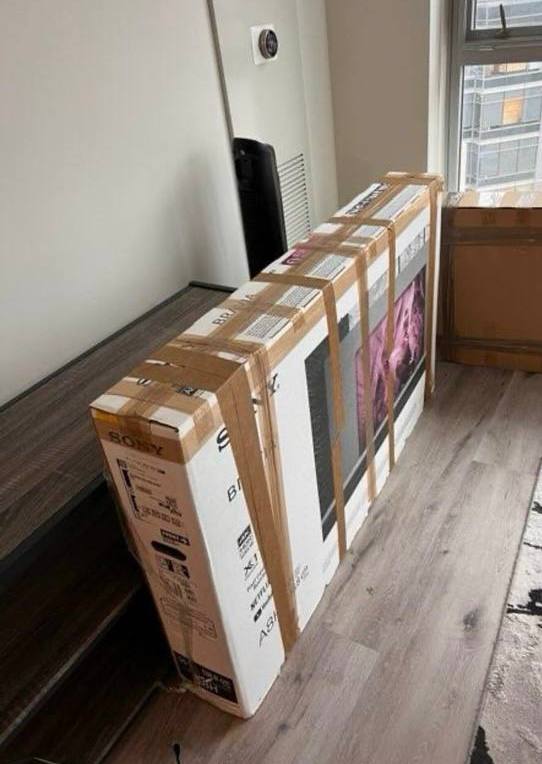
What If You Have Already Started Packing?
Already packing is not a reason to abandon the idea of professional packing.
In fact, this is one of the situations where partial packing can be particularly useful.
You may have several rooms almost finished while a few difficult categories remain untouched.
Instead of unpacking or reorganizing what you have already done, keep your completed boxes and identify the remaining work.
For example:
Already packed:
Clothing, books, toys, linens and personal belongings.
Still needs attention:
Kitchen, glassware, artwork and mirrors.
That is a clear partial-packing scope.
The important thing is to define what has already been handled and what still needs professional attention.
Common Mistakes When Packing for a Move
The biggest packing problems usually come from underestimating the amount of work involved or leaving the most difficult items until the last moment.
Leaving the Kitchen Until Moving Day
Kitchens often contain far more individual items than people expect.
Every plate, glass, mug, appliance and small object adds another packing step.
Treating Fragile Items Like Ordinary Belongings
Fragile items require appropriate cushioning and positioning. Simply wrapping an item and placing it into an oversized box does not necessarily provide adequate protection.
Overloading Boxes
Heavy items can make boxes difficult to handle and may increase the risk of damage.
Books are a good example: they are easy to pack but become very heavy when too many are placed in one box.
Packing Without a Plan
Moving becomes more difficult when boxes are packed randomly without considering where they will go or what will be needed first.
Waiting Until the Final Evening
The final day before a move should not become a race to pack the entire home.
If there are categories you know will take significant time, deal with them earlier or decide in advance which parts you want professional help with.
Is Partial Packing Worth It?
Partial packing is worth considering when the time, effort, or risk involved in packing certain belongings yourself outweighs the benefit of doing all the work independently.
The service is particularly practical when you are comfortable handling ordinary belongings but want professional help with fragile, complicated, or time-consuming items.
A simple decision framework is:
Choose DIY packing if:
You have enough time, are comfortable packing your belongings, and do not have many difficult or fragile items.
Choose partial packing if:
You want to pack most belongings yourself but need help with specific rooms, fragile items, artwork, electronics, or other demanding parts of the move.
Choose full packing if:
You want the professional crew to take responsibility for packing throughout the home and want to minimize your own packing workload.
There is no requirement for every move to fit neatly into one category. The advantage of partial packing is precisely that it allows the packing process to be divided according to your actual situation.
Partial Packing in Chicago: A Practical Middle Ground
For many Chicago moves, partial packing can provide a practical balance between doing everything yourself and handing over the entire packing process.
You remain responsible for the belongings you want to organize personally, while professional movers handle the areas where experience, materials, and careful preparation matter most.
That could mean a kitchen full of glassware, a collection of framed artwork, a home office with electronics, or simply the last part of the apartment you did not have time to finish.
The most useful way to approach partial packing is not to ask, "How much of my home should movers pack?"
Instead, ask:
Which parts of packing do I want to handle myself, and which parts would be easier, safer, or more efficient to leave to professionals?
That answer usually gives you a much clearer starting point for planning the move.
Final Takeaway
Partial packing gives you a flexible way to combine DIY packing with professional help. You can pack straightforward belongings yourself while leaving fragile, time-consuming, or difficult items to movers.
For a Chicago apartment or home move, this can be especially useful when you want to stay involved but do not want packing the entire household to become your responsibility.
The best partial packing plan is specific: identify the rooms or belongings that need professional attention, keep the rest of your packing organized, and make sure the scope is clear before moving day.
Related Moving Topics
If you are preparing for a move, the next useful topics to consider are:
- how partial packing compares with full packing;
- what to pack yourself before movers arrive;
- how to prepare an apartment for movers;
- how to protect glassware and fragile belongings;
- what happens on moving day;
- how long an apartment move in Chicago typically takes.