
How Long Does a Move Take? A Complete Guide to Moving Time
A local move can take anywhere from a few hours to an entire day or more, depending on the size of the home, the amount of furniture, packing requirements, stairs or elevators, parking, and the distance between the two locations. A small, well-prepared apartment may take only a few hours, while a larger home with substantial furniture, packing, disassembly, or difficult building access can require a full moving day.
The number of bedrooms alone does not determine how long a move will take.
Two apartments with the same number of bedrooms can have completely different moving times. One may have a convenient elevator, easy truck access, minimal furniture, and everything already packed. Another may involve several flights of stairs, a long carry from the truck, a large amount of furniture, and professional packing.
That is why a useful moving estimate needs to consider the entire situation rather than relying on the size of the home alone.
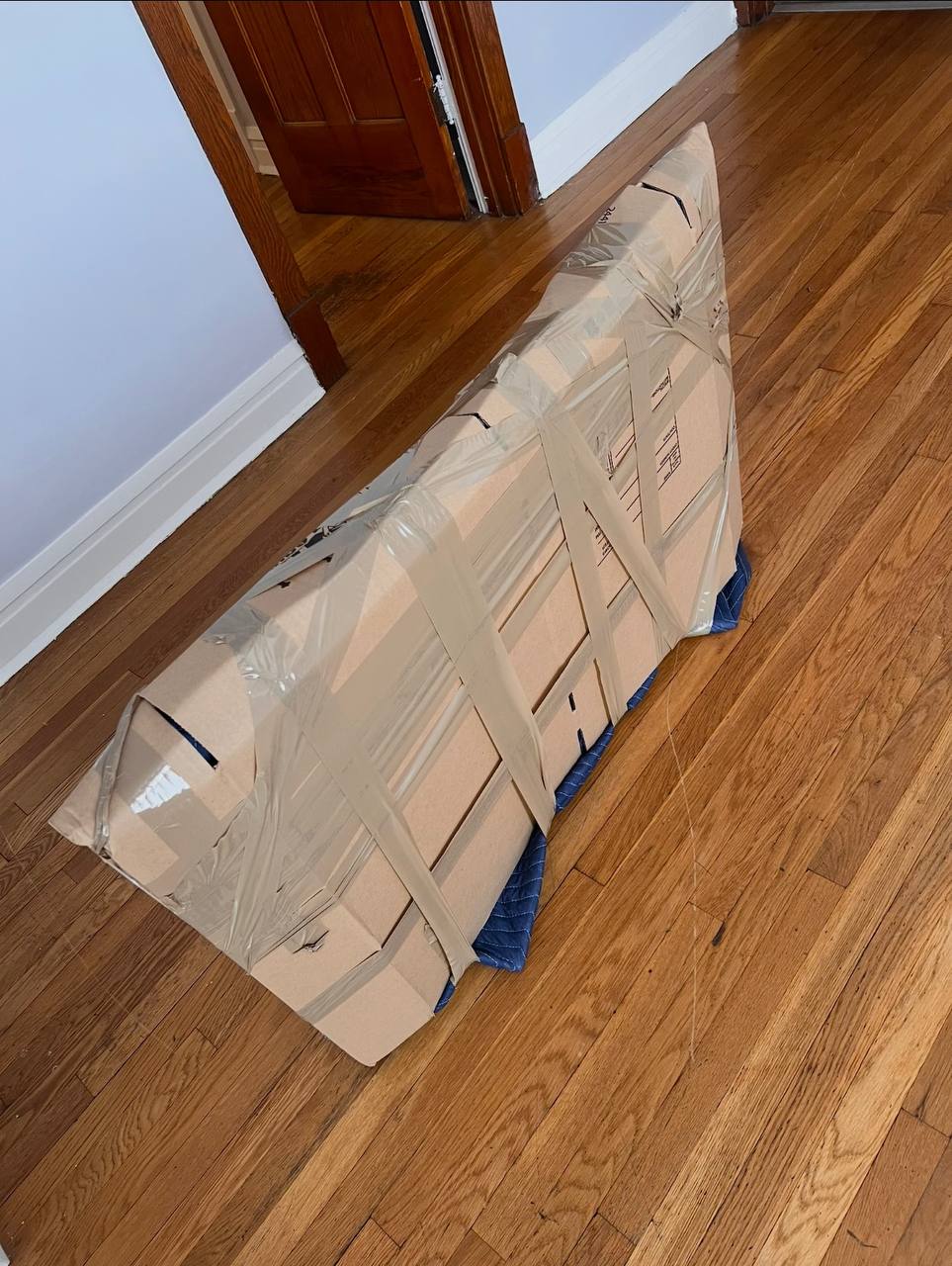
What Determines How Long a Move Takes?
The total moving time is influenced by several factors that work together.
The most important are:
- amount of furniture;
- number of boxes;
- size of the home;
- packing requirements;
- furniture disassembly and assembly;
- number of floors;
- elevator access;
- stairs;
- distance between the building and truck;
- parking and loading conditions;
- distance between the two locations;
- accessibility of the destination;
- special or oversized items.
Some of these factors are within your control.
Others depend on the building, neighborhood, traffic, or property conditions.
This is why a moving company may ask detailed questions before providing an estimate.
How Long Does a One-Bedroom Apartment Move Take?
A relatively straightforward one-bedroom apartment move can often be completed within several hours when the belongings are already packed and both locations have convenient access.
The actual time can increase if the apartment contains:
- a large amount of furniture;
- numerous boxes;
- fragile items;
- oversized furniture;
- stairs;
- a small elevator;
- limited building access;
- a long distance between the truck and entrance.
For example, a one-bedroom apartment with a nearby loading area and elevator access can be significantly easier than a one-bedroom walk-up where everything must be carried several flights of stairs.
The apartment size may be identical, but the moving conditions are completely different.
How Long Does a Two-Bedroom Apartment Move Take?
A two-bedroom move generally involves more furniture, more boxes, and more handling than a one-bedroom move.
However, the difference is not necessarily proportional to the number of rooms.
One two-bedroom apartment may contain relatively little furniture because the residents are downsizing.
Another may have:
- two fully furnished bedrooms;
- a large living room;
- a home office;
- extensive kitchenware;
- storage areas;
- heavy furniture.
Packing can also significantly change the schedule.
If everything is already packed, the crew can concentrate primarily on furniture and boxes.
If professional packing is required, packing becomes part of the moving process.
How Long Does a Three-Bedroom Home Move Take?
A three-bedroom home can require a substantial portion of a moving day, particularly when it is fully furnished.
The biggest variables are usually the amount of belongings and the physical conditions of the property.
A three-bedroom house with:
- easy driveway access;
- furniture already disassembled where appropriate;
- everything packed;
- a short distance between the home and truck;
can be much more straightforward than a three-bedroom home with:
- multiple levels;
- heavy furniture;
- long carrying distances;
- complicated access;
- professional packing requirements.
This is why experienced movers look beyond the number of bedrooms.
Why the Number of Boxes Matters
Boxes are one of the simplest indicators of how much handling a move requires.
Every box has to be:
- picked up;
- carried;
- loaded;
- transported;
- unloaded;
- carried into the destination;
- placed where it belongs.
A household with 30 boxes and a household with 100 boxes may occupy the same number of rooms, but the labor involved is very different.
This is particularly relevant when boxes are stored far from the building entrance or when the moving route includes stairs or a long hallway.
How Furniture Affects Moving Time
Furniture often takes more time than people expect because large pieces require additional handling.
A moving crew may need to:
- protect furniture;
- remove drawers;
- disassemble certain pieces;
- carry them through doorways;
- navigate hallways;
- use stairs or elevators;
- load them securely.
A large sectional sofa, wardrobe, dining table, or oversized bed can require significantly more handling than several small boxes.
This is why providing an accurate inventory of major furniture is useful when discussing a move.
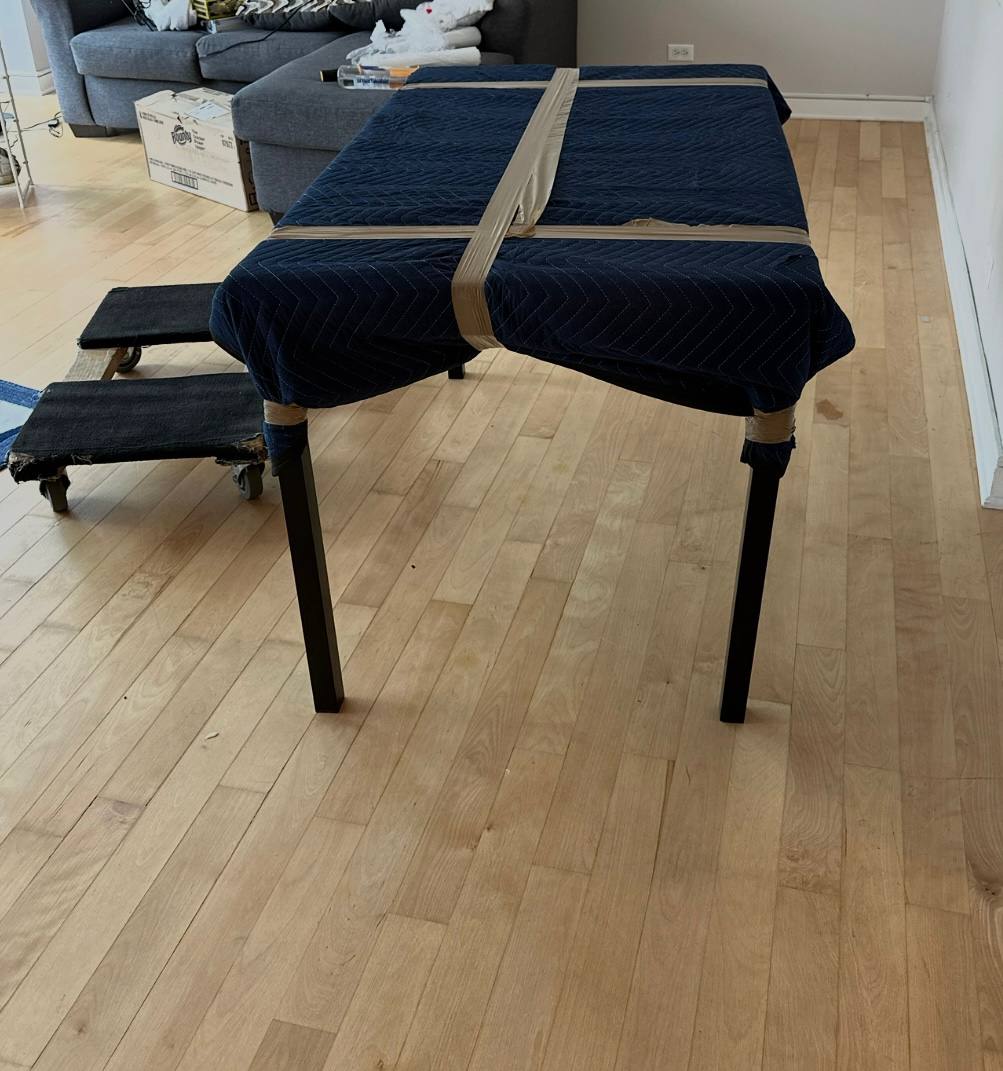
Does Furniture Disassembly Add Time?
Yes, but disassembly can sometimes save time overall.
A large wardrobe may take several minutes to disassemble but become much easier to move afterward.
The alternative could involve multiple people carefully maneuvering an oversized piece through a narrow hallway and elevator.
The same applies to:
- bed frames;
- large dining tables;
- desks;
- modular furniture;
- sectional sofas;
- oversized cabinets.
The purpose of disassembly is not to create additional work.
It is to make difficult furniture easier and safer to handle.
Does Packing Make a Move Take Longer?
Professional packing adds time because the crew is completing an additional service before or alongside the moving process.
Packing involves much more than putting items into boxes.
Depending on the belongings, it can involve:
- sorting;
- wrapping;
- protecting fragile items;
- organizing;
- boxing;
- labeling;
- preparing delicate belongings for transportation.
A household that arrives fully packed is therefore in a very different position from one where the kitchen, closets, and living areas still need to be packed.
If you are using professional packing, the packing scope should be considered when planning the overall schedule.
Full Packing vs Partial Packing and Moving Time
The amount of professional packing can make a substantial difference.
With full packing, the crew handles packing throughout the home.
With partial packing, only selected rooms or belongings are professionally packed.
For example, you may pack:
- clothing;
- books;
- linens;
- toys;
- personal belongings.
And have movers handle:
- kitchenware;
- glassware;
- artwork;
- fragile decorations.
This can reduce the amount of packing you need to manage while avoiding the need to outsource the entire household.
The effect on moving time depends on how much is included in the packing scope.
How Stairs Affect Moving Time
Stairs can have a significant impact on moving time.
Every flight means the crew must repeatedly carry furniture and boxes vertically rather than moving them directly between the apartment and truck.
A second-floor walk-up is different from a fifth-floor walk-up.
The number of flights, width of the staircase, landing configuration, and size of the furniture all matter.
Large furniture can also require additional maneuvering around corners and landings.
If your move involves stairs, mention them when requesting a quote.
How Much Does an Elevator Affect Moving Time?
An elevator can make an apartment move substantially more manageable, but only when the elevator is available and suitable for the move.
Important factors include:
- elevator size;
- door width;
- interior dimensions;
- weight limits;
- reservation requirements;
- availability during the moving window.
A small elevator may require furniture to be positioned carefully or partially disassembled.
A freight elevator can make large apartment moves more practical, but building rules determine whether and when it can be used.
What Happens If the Elevator Is Reserved for Only a Few Hours?
A limited elevator window means the move needs to be organized around that period.
If the reservation begins at 9:00 AM and ends at noon, the crew needs to work within that access window rather than treating elevator availability as unlimited.
This makes preparation especially important.
The apartment should be ready, the moving route should be clear, and the building's access requirements should already be understood.
An unexpected delay at the beginning of the move can become much more significant when the building provides only a limited elevator window.
How Parking Affects Moving Time
Parking is one of the most underestimated factors in apartment moves.
The closer the truck can get to the building entrance, the shorter the carrying route generally becomes.
If the truck can stop directly beside the entrance, movers may have a relatively direct path.
If the truck has to park farther away, the crew must repeatedly carry furniture and boxes across a longer distance.
This is known as a long carry.
The difference may seem small for one box.
But imagine carrying 60 boxes and multiple pieces of furniture an additional 100 feet each way.
The total amount of handling becomes significant.
What Is a Long Carry?
A long carry occurs when movers have to transport belongings a considerable distance between the truck and the building entrance.
This can happen because:
- street parking is unavailable;
- the building has a designated loading area elsewhere;
- a driveway is long;
- the building entrance is set back from the street;
- parking restrictions prevent the truck from getting closer.
The physical distance may not look dramatic to a customer.
But movers repeat the route many times throughout the move.
That is why truck access matters when estimating moving time.
How Chicago Traffic Can Affect a Move
For local Chicago moves, travel time is not necessarily the same as the physical distance between two addresses.
Traffic conditions can change the actual travel time between locations.
The moving process also depends on the time required to:
- load the truck;
- secure belongings;
- travel;
- find the destination;
- access the building;
- unload.
This means a move that looks geographically short on a map can still require substantial time.
Traffic should therefore be considered as part of the overall schedule rather than treated as the only measure of moving difficulty.
How Building Access Changes a Chicago Apartment Move
Chicago apartment and condo buildings can have additional access requirements that do not exist in a typical single-family home.
A building may require:
- elevator reservations;
- specific moving hours;
- a freight elevator;
- a certificate of insurance;
- designated loading areas;
- specific entrances;
- protective materials for common areas.
These requirements can affect how the moving crew approaches the job.
For example, if movers can use only a freight elevator during a specific time window, the entire schedule needs to work around that restriction.
Why the Same Move Can Take Different Amounts of Time
Consider two customers moving from similar two-bedroom apartments.
Apartment A
- everything is already packed;
- one elevator;
- elevator reserved for the move;
- truck can park close to the entrance;
- standard furniture;
- no stairs;
- easy access at the destination.
Apartment B
- kitchen still needs packing;
- fifth-floor apartment;
- small elevator;
- limited elevator reservation;
- truck must park farther away;
- large sectional sofa;
- oversized wardrobe;
- stairs at the destination.
Both are two-bedroom moves.
But the amount of work is completely different.
This is why a professional estimate should consider the conditions of the move rather than simply assigning a standard number of hours based on bedroom count.

How to Make Your Move Faster
There are several things you can do to reduce unnecessary delays.
Finish Your Packing
If you are responsible for packing, complete it before the movers arrive unless packing is part of the agreed service.
Separate Important Belongings
Keep documents, medications, valuables, and immediate essentials separate.
Clear the Path
Make sure hallways and doorways are accessible.
Empty Furniture
Remove belongings from drawers, cabinets, and shelves.
Identify Large Furniture
Tell movers about oversized or unusual pieces before moving day.
Confirm Building Access
Reserve elevators and clarify building procedures.
Plan Parking
Understand where the moving truck can load and unload.
Each of these steps removes a potential source of delay.
Does Decluttering Make a Move Faster?
Yes.
Every unnecessary item requires some amount of handling.
If you decide before moving day that you no longer want certain belongings, you do not have to:
- pack them;
- load them;
- transport them;
- unload them;
- unpack them.
Decluttering before the move can therefore reduce both the physical workload and the number of decisions you have to make after arriving.
Moving is an opportunity to evaluate what actually needs to come with you.
Should Everything Be Packed Before Movers Arrive?
If you have hired movers for transportation only, your belongings should generally be packed and ready for loading.
If you have hired packing services, the situation is different because packing is part of the agreed scope.
The important thing is to understand exactly what the moving crew is expected to handle.
For example, if the agreement includes partial packing of the kitchen, the kitchen does not need to be completely packed before the crew arrives.
But clothing and other belongings that you have agreed to pack yourself should be ready.
Clear expectations help prevent confusion on moving day.
How Long Does Loading Take?
Loading time depends primarily on the amount of belongings and the distance between the apartment and the truck.
The crew may need to:
- protect furniture;
- disassemble selected items;
- carry boxes;
- carry furniture;
- arrange items inside the truck;
- secure the load.
The truck is not simply filled randomly.
Furniture and boxes need to be positioned so that the load is stable and the available space is used effectively.
This is another reason why large furniture and difficult access conditions can influence the schedule.
How Long Does Unloading Take?
Unloading is not necessarily the exact reverse of loading.
At the destination, movers need to:
- remove items from the truck;
- carry them through the building or property;
- navigate stairs or elevators;
- place furniture;
- bring boxes inside.
If the destination has difficult access, unloading can take longer than expected even when loading was straightforward.
A destination apartment with a small elevator and limited access can create a different workload from the original property.
Does the Distance Between Homes Matter?
Yes, but local moving time is not determined by mileage alone.
A short-distance move can take a long time if loading and unloading are complicated.
A longer-distance trip may involve more travel but relatively straightforward loading and unloading.
For local Chicago moves, the overall schedule should therefore consider:
loading + travel + destination access + unloading
rather than focusing only on the number of miles between addresses.
What About Moving a Few Large Items?
A move does not have to involve an entire household.
You may need help moving:
- a sofa;
- a bed;
- a dining table;
- several large appliances;
- office furniture;
- a few bulky belongings.
These moves can still require careful planning because large items can be more difficult to handle than a larger number of small boxes.
The size and shape of the individual items, access conditions, and distance to the truck all matter.
How Long Does an Office Move Take?
Commercial moving time depends on factors that are different from residential moving.
An office may contain:
- desks;
- chairs;
- filing cabinets;
- conference tables;
- computers;
- monitors;
- shelving;
- office equipment.
There may also be restrictions related to:
- building access;
- elevators;
- business hours;
- loading docks;
- multiple floors.
A commercial move should therefore be planned around the building and business schedule as well as the physical inventory.
How to Get a More Accurate Moving Time Estimate
The more complete the information you provide, the easier it is to estimate the workload.
Useful information includes:
- current address;
- destination;
- apartment or house;
- number of floors;
- elevator availability;
- stairs;
- parking conditions;
- major furniture;
- approximate number of boxes;
- packing requirements;
- furniture that needs disassembly;
- unusual or oversized items.
You do not necessarily need to count every individual household item.
A clear overview of the property and major belongings is usually much more useful than simply saying, "It's a two-bedroom apartment."
What Information Should You Tell Movers?
When requesting a moving quote, mention anything that could change the physical workload.
For example:
Current location: third-floor apartment
Elevator: yes, reservation required
Parking: truck may need to park on the street
Furniture: sectional sofa, king-size bed, large wardrobe
Packing: kitchen requires professional packing
Destination: second-floor apartment with elevator
This gives the moving company a much clearer picture of the move.
Why a Moving Quote Is Not Always the Final Number of Hours
Moving estimates are based on the information available before the move.
If the actual conditions are different, the amount of work can change.
For example, the customer may report 40 boxes but have 80.
A building may have an elevator restriction that was not previously mentioned.
A large piece of furniture may require additional disassembly.
The important point is to provide accurate information when requesting the estimate.
The more accurately the moving company understands the job beforehand, the more realistic the planning can be.
How to Prepare for a Smooth Moving Day
The easiest way to avoid unnecessary delays is to prepare the logistics before the crew arrives.
Confirm:
- building access;
- elevator reservation;
- loading area;
- parking;
- packing responsibilities;
- furniture preparation;
- special items;
- destination access.
Then make sure the belongings that you are responsible for are ready.
This allows the crew to focus on moving rather than solving avoidable logistical problems.
A Simple Way to Think About Moving Time
Instead of asking:
"How many hours does a two-bedroom move take?"
Ask:
"How much handling does this particular move require?"
That question is much more useful.
A move requires more time when there are:
- more belongings;
- more furniture;
- more stairs;
- longer carrying distances;
- more packing;
- more disassembly;
- more complicated access.
It requires less time when:
- belongings are organized;
- packing is complete;
- access is straightforward;
- parking is convenient;
- furniture is easy to handle;
- both properties have efficient entry and exit routes.
Final Takeaway
There is no single number of hours that applies to every Chicago move.
The size of the home is only one part of the equation. The amount of belongings, furniture, packing, stairs, elevators, parking, building access, and distance between the truck and the property can all change the actual moving time.
If you want the move to run efficiently, prepare the apartment, confirm building requirements, organize your belongings, and communicate unusual conditions before moving day.
And if you are not sure whether you need a few hours of moving labor, professional packing, furniture disassembly, or a broader moving service, the most useful starting point is to describe the actual conditions of the move rather than relying on the number of bedrooms alone.