
How Long Does an Apartment Move Take in Chicago?
An apartment move in Chicago can take anywhere from a few hours to most of a day. The apartment size matters, but it is only one part of the equation. Stairs, elevators, parking, the distance between the truck and the building, the amount of furniture, packing, and building rules can change the timeline significantly.
A small apartment with a reserved freight elevator and easy truck access may take less time than a larger apartment with several flights of stairs and a long carry.
The best way to estimate moving time is to look at the entire route from the apartment door to the truck and then consider the same conditions at the new building.
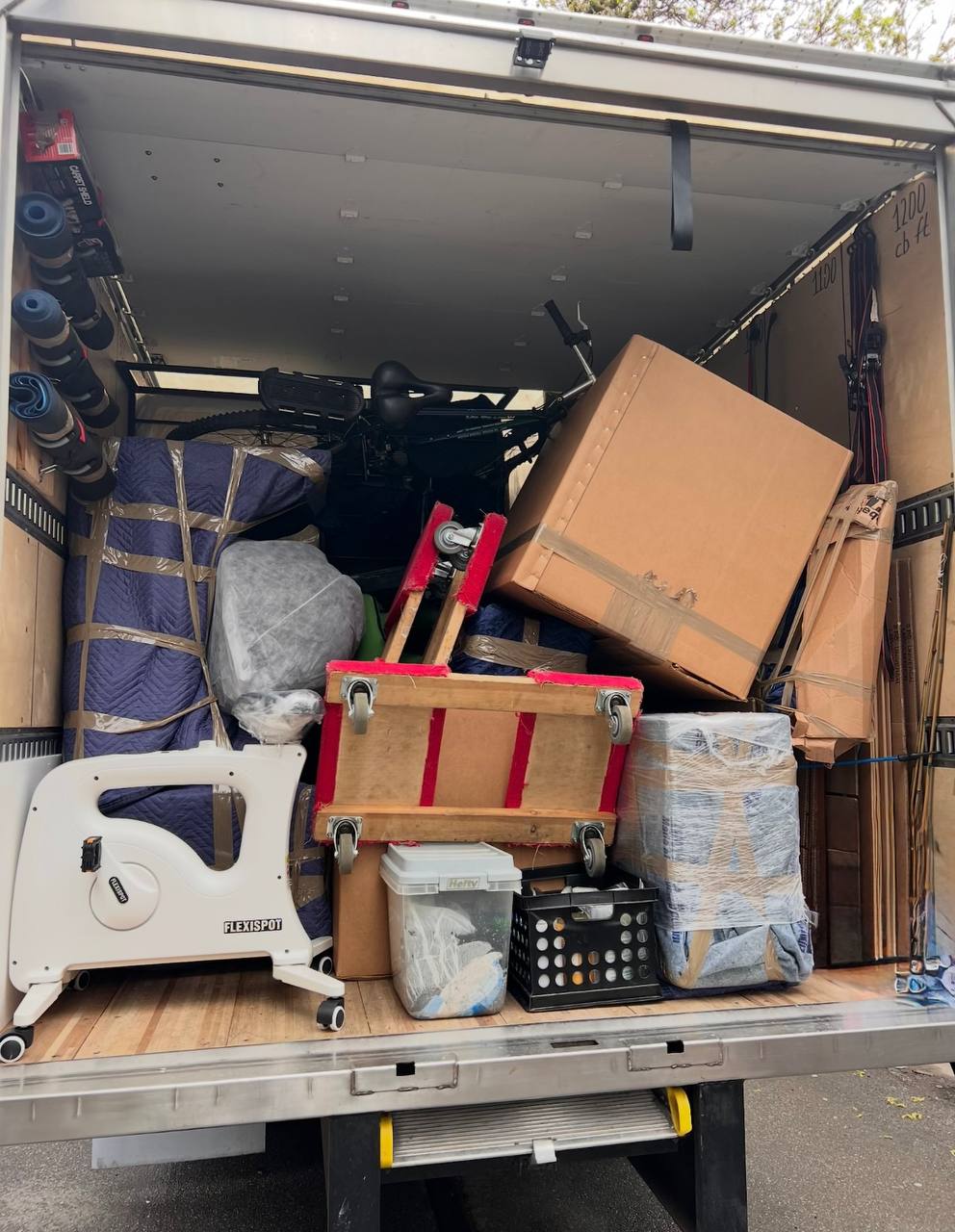
What determines how long an apartment move takes?
The main factors are the amount of belongings, the number of movers, access to the apartment, stairs or elevators, parking, packing, furniture disassembly, and the distance between the two locations.
Apartment size gives you a starting point, but it does not tell the whole story. A lightly furnished one-bedroom apartment can move quickly, while a heavily furnished apartment of the same size may require considerably more time.
The same applies to buildings. A first-floor apartment with easy access is very different from a fourth-floor walk-up or a high-rise with a limited elevator window.
Before moving day, it helps to consider:
- how much furniture and how many boxes are being moved;
- whether everything is packed and ready;
- which floor the apartment is on;
- whether there is a usable elevator;
- how far the truck can park from the entrance;
- whether furniture needs to be disassembled;
- whether the building has a restricted moving window;
- whether packing or other moving help is needed.
How long does a studio or one-bedroom apartment move take?
A small apartment can often be completed within several hours when the belongings are packed, furniture is ready, and access is straightforward.
A studio with a nearby truck and no stairs is much simpler than a one-bedroom on an upper floor with a long hallway and a shared elevator. Even a small amount of furniture can take longer to move when every trip requires waiting for an elevator or carrying items a significant distance.
For this reason, the number of rooms should be used as a general starting point rather than an exact prediction.
How long does a two-bedroom apartment move take?
A two-bedroom apartment generally requires more time because there are more furniture pieces, boxes and trips between the apartment and the truck.
The actual timeline depends heavily on access. A two-bedroom with a freight elevator and convenient loading area may move efficiently, while the same amount of furniture in a walk-up can require considerably more labor.
Packing also makes a difference. If everything is boxed, sealed and organized before the crew arrives, movers can concentrate on carrying and loading. If many belongings still need to be prepared, the moving process naturally takes longer.
Why do stairs make an apartment move take longer?
Stairs add time because every piece has to be carried between floors instead of being transported by elevator.
The number of flights is only part of the issue. Narrow staircases, tight landings, sharp turns and large furniture can make individual trips slower. Mattresses, sofas, wardrobes and other bulky pieces may require additional maneuvering or disassembly.
A third-floor walk-up can therefore take significantly longer than an apartment with the same inventory in an elevator building.
Before the move, check both buildings. Having an elevator at the new apartment does not help if the old apartment requires several flights of stairs.
How much time can an elevator add to a move?
An elevator can make an apartment move easier, but only when it is available and suitable for moving.
In Chicago buildings, movers may need to work within a reserved elevator window. Shared passenger elevators can also create delays when residents are using them or when the elevator is small enough to require more trips.
A freight or service elevator is usually more practical for larger moves because it is designed for building service and can accommodate larger loads. However, the exact rules vary by building.
Before moving day, confirm:
- which elevator movers are allowed to use;
- whether it must be reserved;
- the available time window;
- whether the building requires protective padding;
- whether there is a loading dock or service entrance;
- whether a Certificate of Insurance is required.
The elevator reservation should be treated as part of the moving schedule, not as a separate detail.
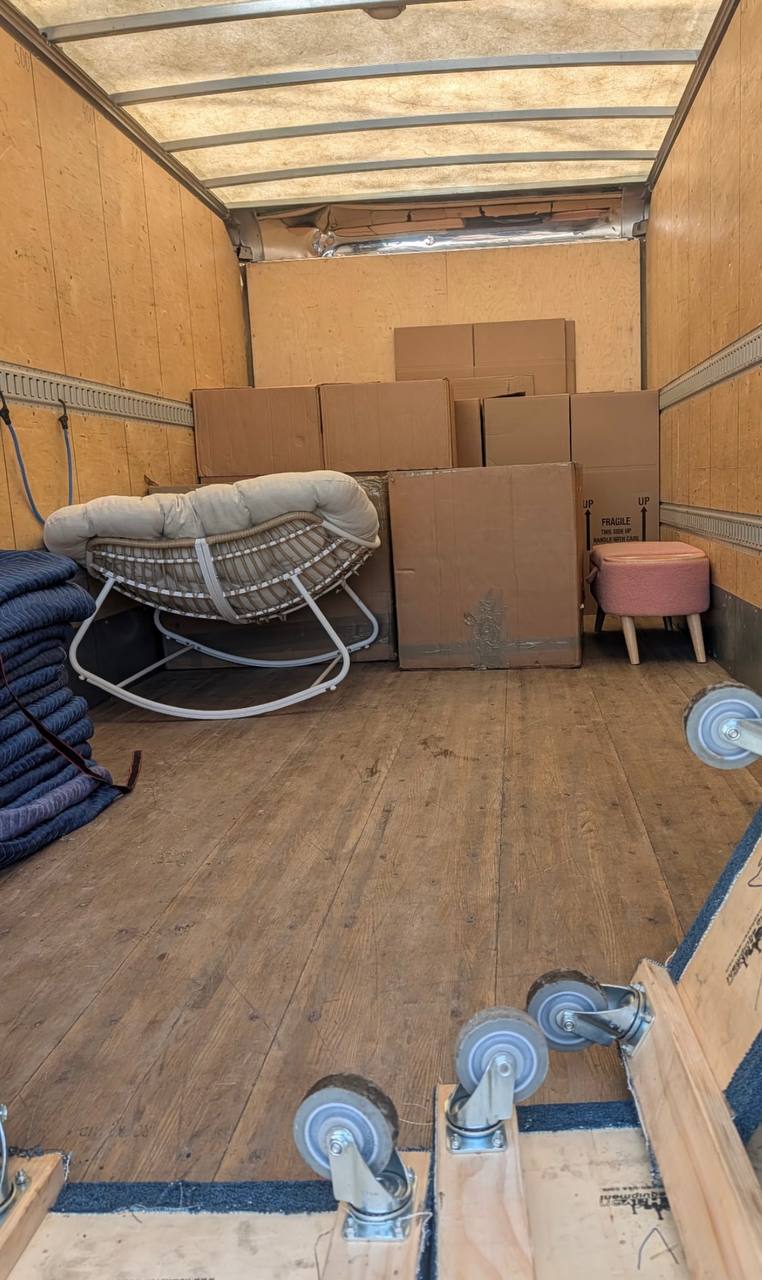
How does parking affect moving time in Chicago?
Parking can have a surprisingly large effect on the length of an apartment move.
When the moving truck can stop close to the entrance, movers can make shorter trips between the building and the truck. If the truck has to park farther away, every item travels a longer distance.
This becomes especially noticeable when an apartment contains many boxes or large pieces of furniture. The additional walking is repeated throughout the loading and unloading process.
Before moving day, determine where the truck can legally and practically stop. In some Chicago buildings, the loading area, alley, garage or building entrance may have specific rules.
The goal is simple: make the route between the apartment and the truck as direct as possible.
Does the distance between the two apartments affect moving time?
Yes, but local moving time is not determined by driving distance alone.
The crew must first load the entire apartment, travel to the new location, and then unload everything. A short move between nearby neighborhoods can still take a long time if either building has difficult access.
Conversely, a longer drive does not necessarily mean a complicated loading or unloading process.
For an accurate estimate, consider both parts of the move:
Pickup: apartment → building exit → truck
Delivery: truck → building entrance → apartment
The conditions at both locations matter.
How does packing affect the moving timeline?
Packing can add substantial time when it is not completed before the movers arrive.
Boxes should be closed, taped and ready to move unless packing assistance has been specifically arranged. Loose items, partially packed rooms and fragile belongings that still need protection can slow down the loading process.
If you do not want to pack the entire apartment yourself, partial packing can be a practical middle ground. You can prepare everyday belongings while leaving fragile, difficult or selected items to professional packers.
This approach can reduce the amount of preparation you have to handle without turning the entire move into a full packing service.
Does furniture disassembly make a move longer?
It can, especially when large furniture cannot safely pass through a doorway, hallway, stairwell or elevator while assembled.
Beds, tables, sectionals, desks, wardrobes and other bulky pieces may need to be partially disassembled before they can be moved efficiently.
The important point is to identify these pieces before moving day. If movers know in advance which furniture needs to come apart, the process can be planned instead of discovered at the doorway.
Measuring the largest furniture pieces and the tightest parts of the route is particularly useful in older Chicago apartments, where staircases and doorways may be narrow.
Why two apartments of the same size can take different amounts of time
Square footage does not tell movers how difficult the physical route will be.
Consider two one-bedroom apartments with approximately the same amount of furniture.
Apartment A:
- elevator building;
- reserved service elevator;
- truck can park close to the entrance;
- furniture is ready;
- boxes are packed and labeled.
Apartment B:
- third-floor walk-up;
- narrow staircase;
- long carry to the truck;
- several large furniture pieces;
- some packing remains unfinished.
The apartments may be similar in size, but the moving time can be very different.
This is why a useful estimate should consider the building and access conditions rather than relying only on the number of bedrooms.
What can make a Chicago apartment move take longer than expected?
Several issues commonly create delays:
- elevator is not available at the expected time;
- truck cannot stop close to the building;
- furniture does not fit through a doorway or stairwell;
- boxes are not ready when the crew arrives;
- additional items are added to the move;
- building rules limit the available moving hours;
- access at the destination is more difficult than at pickup;
- furniture requires unexpected disassembly;
- snow, ice or other weather conditions make access more difficult.
Most of these problems can be reduced with preparation.
The more information the moving crew has before moving day, the easier it is to plan the appropriate crew, equipment and schedule.
How can you make an apartment move faster?
The simplest way to reduce unnecessary delays is to prepare the route before the crew arrives.
Pack and label boxes, clear pathways, finish any planned furniture disassembly, and remove items that are not being moved. Confirm elevator reservations and building requirements in advance.
Also make sure the moving crew knows about anything unusual: narrow stairs, large furniture, long carries, restricted entrances or a limited elevator window.
For Chicago apartment moves, access planning is especially important because buildings can have very different layouts and rules. High-rises, condos, walk-ups and older apartment buildings may each require a different approach.
When should you allow extra time?
It is better to build some flexibility into the schedule when the move involves difficult access.
Extra time may be sensible for:
- several flights of stairs;
- a small or shared elevator;
- long distances between the truck and apartment;
- large or heavy furniture;
- significant packing assistance;
- multiple bulky items requiring disassembly;
- strict building time windows;
- difficult parking or loading conditions;
- winter weather.
This does not mean every difficult apartment move will take much longer. It means the estimate should reflect the actual conditions rather than assuming that every apartment moves at the same pace.
What information should you give movers when requesting an estimate?
The more complete the initial information, the more useful the estimate will be.
Tell the moving company:
- apartment size;
- floor at both locations;
- elevator or stairs;
- elevator reservation requirements;
- approximate amount of furniture and boxes;
- large or unusually heavy items;
- packing assistance needed;
- furniture that may require disassembly;
- parking or loading restrictions;
- building requirements.
For an apartment move, these details can be more useful than simply providing the number of bedrooms.
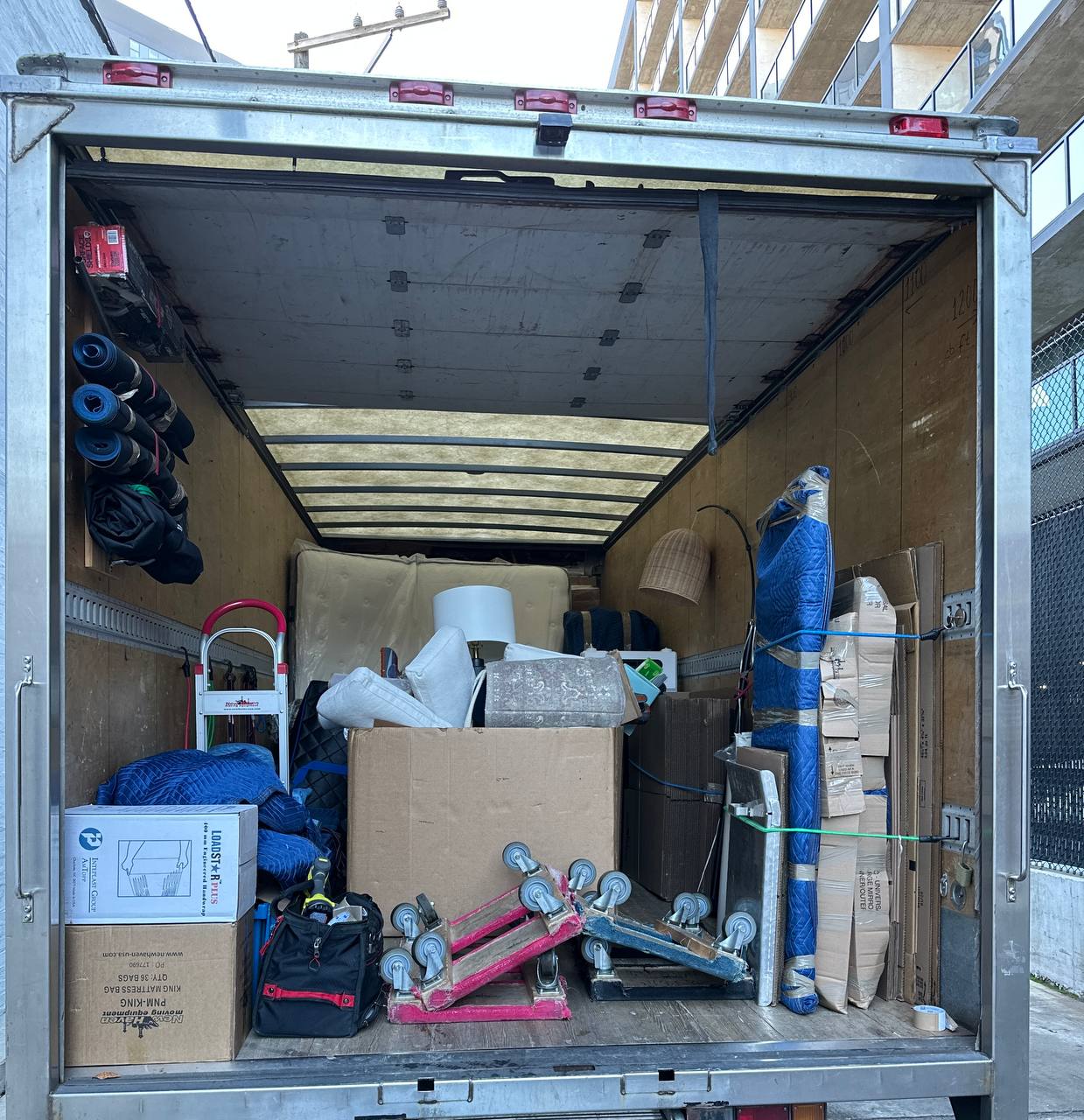
The bottom line
There is no single moving time that applies to every Chicago apartment.
A small, well-prepared apartment with easy access can be moved relatively quickly. A similar-sized apartment with stairs, a long carry, difficult parking or a restricted elevator window can take much longer.
The most accurate way to plan your moving day is to look beyond apartment size and consider the entire route, from the apartment door to the truck and from the truck to the new home.
Good preparation does not just make the move more organized. It helps the crew spend less time dealing with avoidable obstacles and more time actually moving your belongings.