
How to Prepare for a Move in One Week
Moving in a week and still have a lot to pack? You don't have to leave everything until the last night. With a simple day-by-day plan, you can prepare your home, pack your belongings, and take care of the details without unnecessary stress.
The best approach is to decide what you're taking first, gather your packing supplies, and then start packing items you won't need before moving day.
7 Days Before Moving: Make a Plan
Start by estimating how much you need to move and listing the main tasks. Walk through each room and decide what to pack, what you'll still need during the week, and what you can donate, sell, or discard.
At this stage, you should:
- Confirm your moving date and time.
- Create a checklist of the main tasks.
- Gather boxes, packing tape, packing paper, and markers.
- Set aside items you won't need during the coming week.
- Identify furniture and other belongings that need special preparation.
If you're planning to hire professional movers, arrange the details in advance. This gives you more time to prepare and reduces the chance of last-minute complications.
6 Days Before Moving: Declutter Your Home
Don't start packing everything at once. First, go through your belongings and set aside anything you no longer need in your new home.
Check closets, storage areas, kitchen cabinets, and other places where items tend to accumulate. Separate anything you can donate, sell, or dispose of responsibly.
The fewer items you have to move, the easier packing and unpacking will be. Decluttering also helps you avoid filling your new home with belongings you no longer use.
5 Days Before Moving: Pack Items You Rarely Use
Start with belongings you can comfortably do without until moving day, such as:
- Seasonal clothing and shoes.
- Books and decorative items.
- Extra bedding and towels.
- Special-occasion dishes.
- Hobby supplies and electronics you rarely use.
Label each box with the room it belongs in and a brief description of its contents. Wrap fragile items carefully and use appropriate packing materials to protect them during transport.
Avoid making boxes too heavy. Distribute books and other dense items among several smaller boxes so they're easier to lift and carry.
4 Days Before Moving: Pack the Kitchen and Everyday Items
The kitchen often takes longer to pack than expected. Start with extra dishes, small appliances, and pantry items you won't need over the next few days.
Keep a small set of essentials available, including a few plates, cups, utensils, and basic kitchen supplies.
Check expiration dates before packing food, and avoid moving open containers that could leak. Cleaning products and other potentially hazardous materials require extra care. Check with your moving company in advance to confirm which items can be transported and how they should be handled.
3 Days Before Moving: Prepare Furniture and Electronics
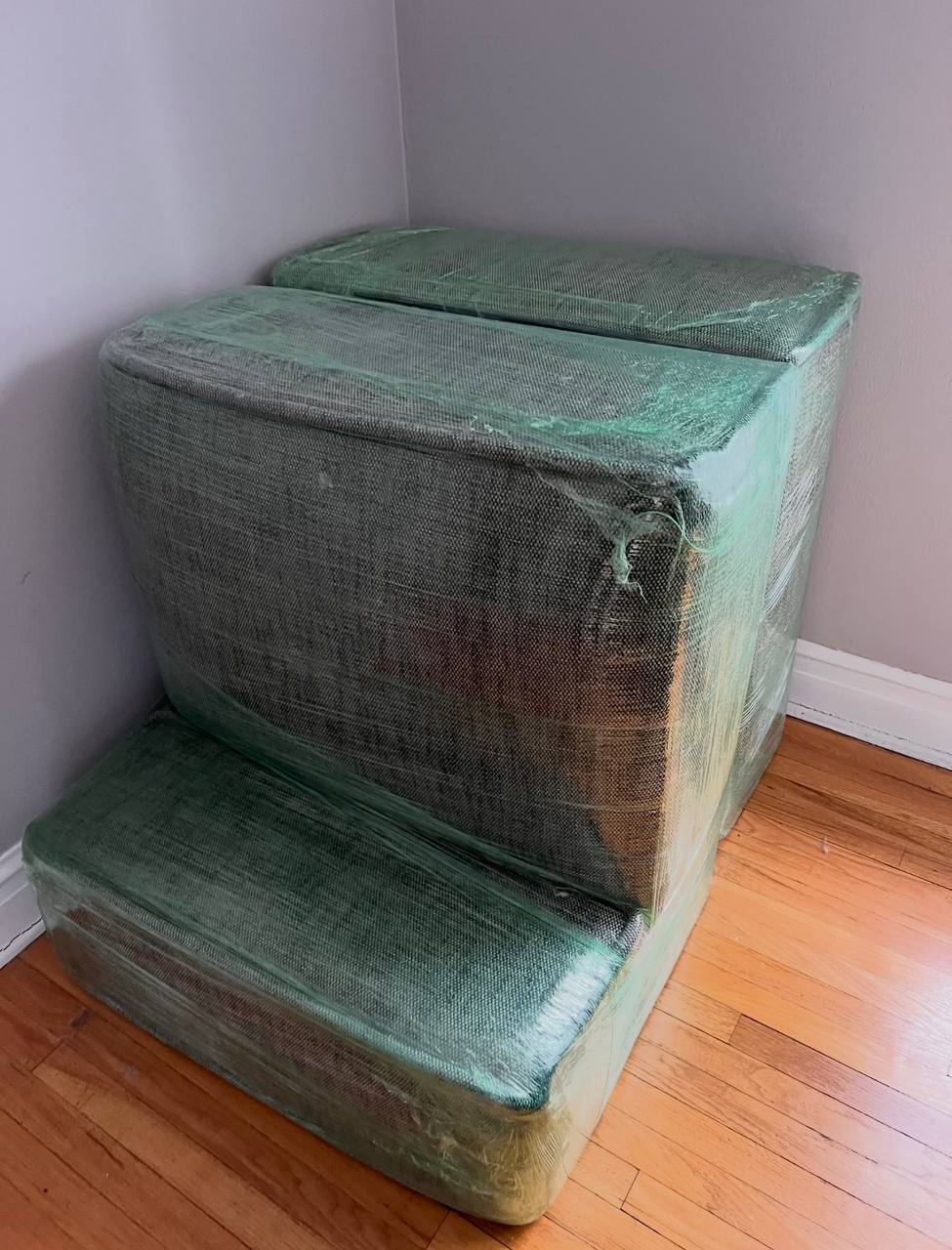
Decide which furniture needs to be disassembled and which pieces can be moved as they are. Empty drawers and shelves, remove detachable parts, and keep screws and other hardware in labeled bags.
Before packing electronics:
- Keep cables with the devices they belong to.
- Take photos of complicated connections before unplugging equipment.
- Protect screens and other fragile components.
- Follow the manufacturer's instructions when disconnecting or preparing appliances.
If you're moving large furniture or household appliances, confirm in advance whether any special preparation is required before the movers arrive.
2 Days Before Moving: Pack an Essentials Bag
Prepare a separate bag or box with everything you'll need immediately after arriving at your new home. Keep it accessible rather than loading it with the rest of your belongings.
Your essentials bag might include:
- Important documents and keys.
- Phone chargers.
- Medications and basic toiletries.
- A change of clothes.
- A towel and basic bedding essentials.
- Water and easy-to-carry snacks.
If you're moving with children or pets, pack their everyday necessities separately so you can find them quickly.
Use this day to check that all boxes are labeled and that furniture and other large items are accessible for loading.
1 Day Before Moving: Finish Packing
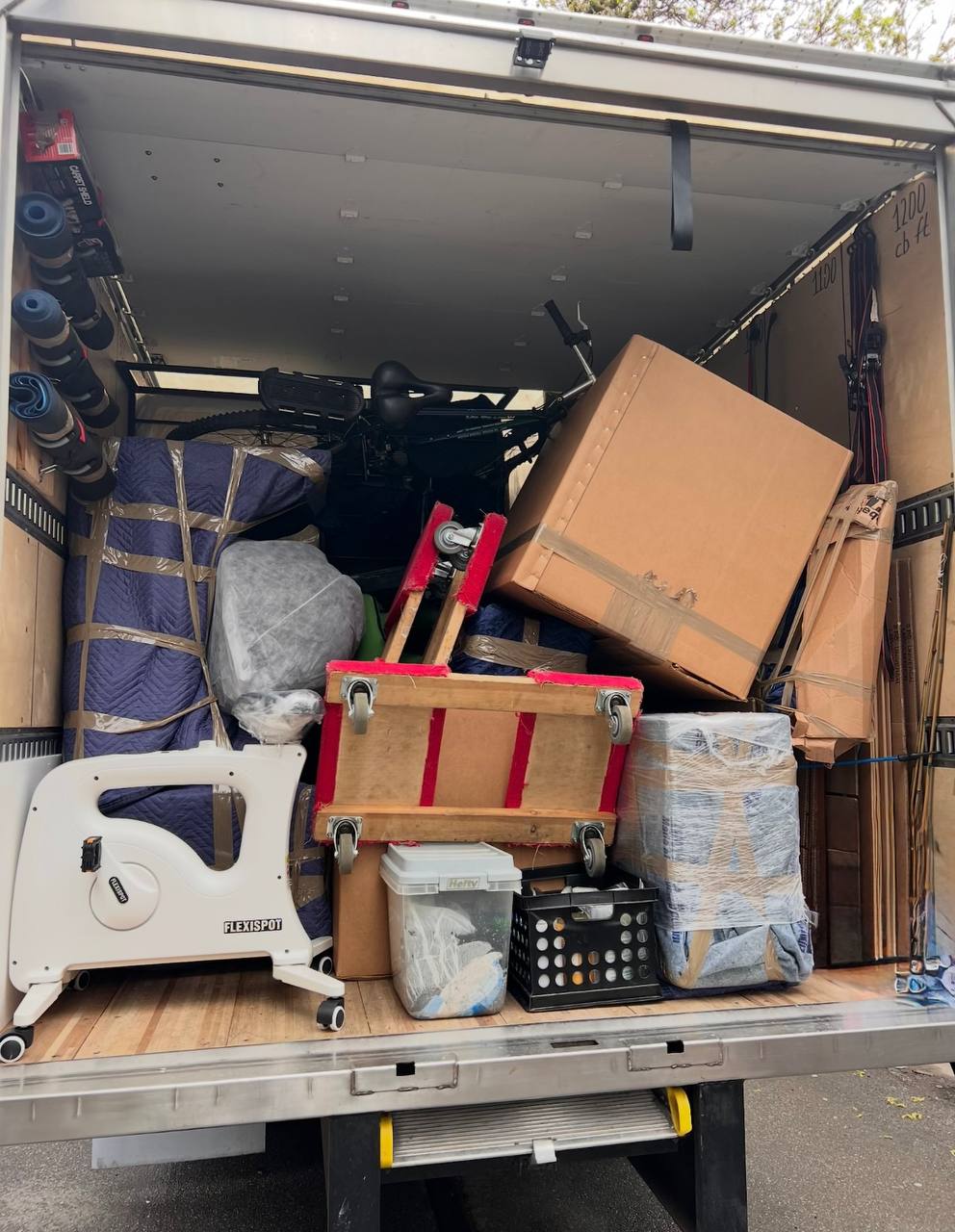
By now, most of your belongings should be packed. Leave out only the items you still use every day.
Before going to bed, check that:
- All boxes are closed and labeled.
- Documents, keys, and your essentials bag are easy to reach.
- Walkways are clear and large items are ready to be moved.
- Chargers and other last-minute essentials are accounted for.
- Your moving time and other arrangements are confirmed.
Avoid leaving all the packing until the last evening. Use this time to check your progress, take care of anything you've missed, and get some rest before moving day.
Moving Day: Follow Your Checklist
Before loading begins, walk through your home and check closets, cabinets, storage areas, and other spaces where belongings might be left behind.
Keep your documents, phone, keys, and essentials bag with you. If any items need special handling, let your movers know before loading starts.
Once everything has been loaded, do one final walkthrough of the property, including closets, the pantry, and any storage spaces.

Common Mistakes That Make Moving More Difficult
Even with a plan, a few common mistakes can make the process more stressful:
- Packing at the last minute. Boxes may end up unlabeled, and fragile items may not be protected properly.
- Making boxes too heavy. Heavy boxes are harder to lift and carry safely.
- Forgetting an essentials bag. You may end up searching through multiple boxes for a phone charger, documents, or toiletries.
- Waiting too long to confirm arrangements. Last-minute changes can be more difficult to manage.
- Packing everything without sorting it first. Unnecessary belongings take up space and create more work when unpacking.
When Should You Hire Professional Movers?
If you're moving furniture, household appliances, and a large number of boxes, consider how much help you'll need. A DIY move may work well for a small number of belongings, but coordinating the transportation of heavy furniture and larger items can be more complicated.
FairPlay Moving provides residential moving services in Chicago and surrounding areas. Visit our residential moving services page to learn more about your options and plan your move.
Planning a Residential Move?
FairPlay Moving helps Chicago-area residents organize their moves with a straightforward, reliable approach. Contact us to discuss your moving needs and the details of your move.
Explore Residential MovingFinal Thoughts
Preparing for a move in one week is manageable when you break the process into smaller tasks. Start by decluttering, pack items you rarely use first, and leave time for a final check before moving day.
A clear plan helps you stay organized, avoid unnecessary last-minute stress, and settle into your new home more easily.