
How to Unpack After Moving: A Room-by-Room Plan
After a move, you want to start feeling at home as soon as possible. But when you're surrounded by stacks of boxes, it can be hard to know where to begin. Without a plan, you might spend hours on small tasks while the things you need most remain packed away.
The easiest approach is to start with your everyday needs, work through one room at a time, and avoid trying to unpack everything in a single evening.
1. Check That Everything Arrived Safely
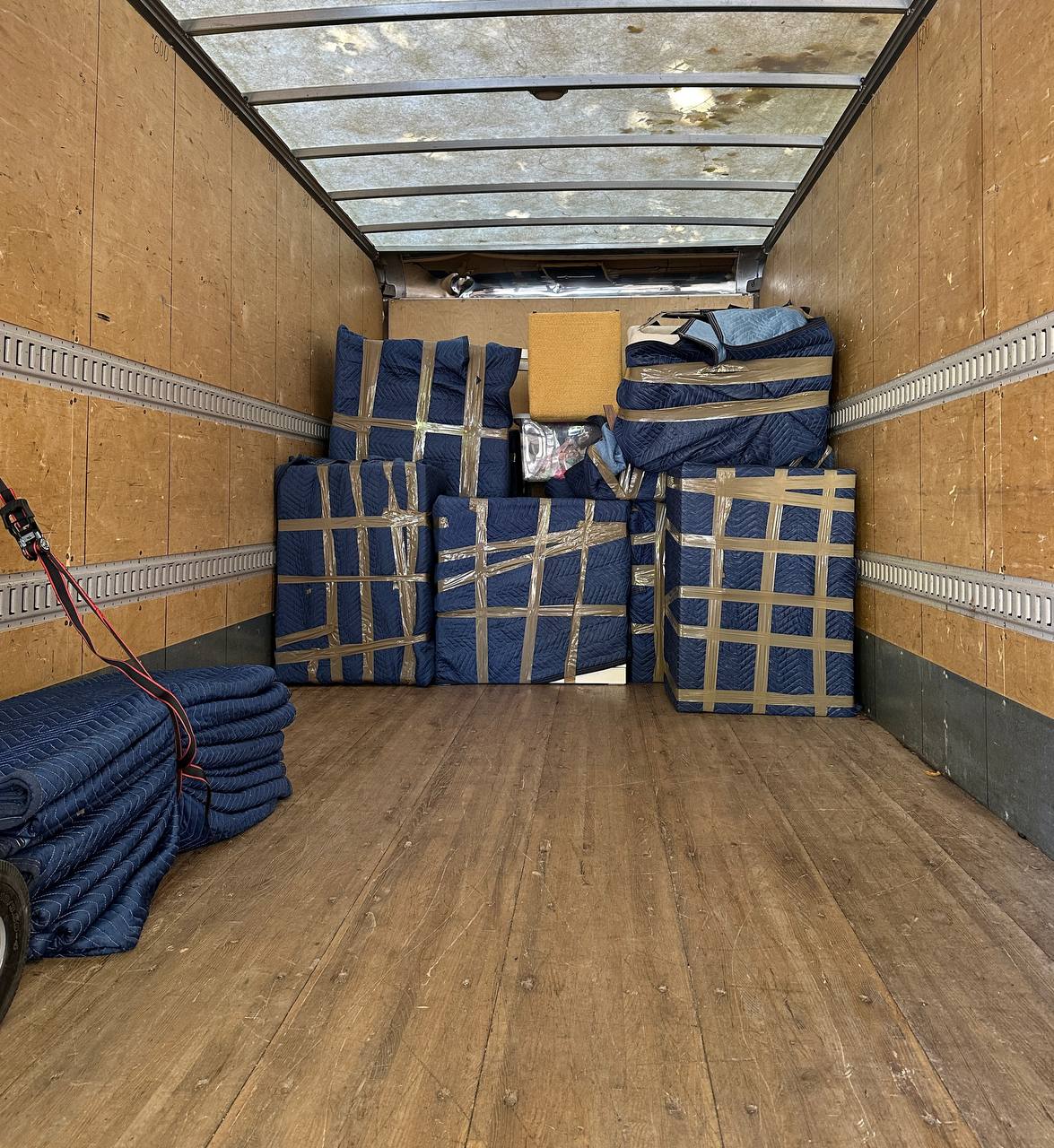
Before opening boxes, make sure your main belongings have arrived and check for any visible damage.
- Inspect furniture and large items.
- Compare the number of boxes with your inventory, if you made one.
- Check fragile items and electronics for visible damage.
- Set aside anything that needs closer inspection.
If something is missing or damaged, take photos and keep any relevant paperwork. If a moving company handled your relocation, contact them to ask about the appropriate claims process.
2. Get Your Home Ready for Unpacking
Spend a little time preparing the space before opening boxes. This helps prevent unnecessary work and keeps you from moving the same belongings from one corner to another.
Clear the main walkways and make sure boxes are in the rooms where you'll unpack them. Wipe down surfaces if needed and set aside a temporary area for items you're still sorting.
If you have children or pets, keep box cutters, scissors, tools, and cleaning products out of reach.
3. Start with Your Moving Essentials Box
Unpack the items you'll need over the next few hours first. This makes it easier to get through your first evening, even if most of your boxes are still closed.
Your essentials box might include:
- Phones and chargers
- Medications and personal care products
- A change of clothes
- Towels and toilet paper
- Water and easy snacks
- Everyday supplies for children and pets
Keep these items somewhere easy to reach rather than burying them behind other boxes.
4. Set Up the Bedroom
A good night's sleep matters more than perfectly organized closets. That's why the bedroom should be one of the first rooms you get ready.
Assemble the bed if necessary, put on clean sheets, and get your bedding ready. Then unpack the clothes you'll need over the next few days.
You don't have to organize your entire wardrobe right away. Start by making room for everyday clothing and clearing the floor of boxes.
5. Get the Bathroom Ready
The bathroom usually takes less time to unpack than the kitchen or living room, but it's worth setting it up on the first day.
- Towels and toilet paper
- Soap and shower products
- Toothbrushes and toothpaste
- Everyday skincare and personal care items
- Essential supplies for each family member
Make sure the necessary fixtures and utilities are working before arranging items in cabinets and on shelves. Start with daily essentials rather than unpacking every bathroom product at once.
6. Unpack the Kitchen and Plan Your Meals
The kitchen often takes longer to organize because it contains dishes, food, small appliances, and cooking tools. Don't worry about making every cabinet perfect on the first day.
Start with the things you use most often:
- Plates, cups, and silverware
- A pot or pan for preparing simple meals
- Basic cooking utensils
- A kettle or coffee maker, if you use one daily
- Food that needs to be refrigerated
Then gradually organize the remaining items in cabinets and drawers. If you're not sure where everything should go yet, choose convenient temporary spots and adjust them later.
7. Work Through the Remaining Rooms One at a Time
Once your basic needs are covered, move on to the living room, home office, children's rooms, and other spaces.
It's usually easier to finish one small area before starting another. For example, set up your desk and connect the equipment you need before moving on to bookshelves or decorations.
If you work from home, prioritize your workspace. If you have children, unpack their everyday belongings and familiar items that help maintain their routine.
Avoid opening every box at once. Keeping the process organized prevents belongings from getting mixed together and helps preserve your available floor space.
8. Leave Decorations and Small Details for Later
Pictures, decorative pillows, souvenirs, and other finishing touches help make a house feel like home, but they rarely need to be unpacked right away.
Save them until the furniture is in place and the main rooms are functional. Then you can decide where decorations fit best and whether you need anything else.
There's no need to create a perfect interior immediately. Living in your new space for a few days may help you decide how to arrange furniture and organize your belongings more effectively.
9. Clear Away Packing Materials as You Go
Empty boxes, packing paper, and plastic wrap can quickly take over your new home. Leaving everything on the floor until the end makes it harder to move around and finish unpacking.
As you empty boxes:
- Flatten cardboard boxes and keep them together.
- Collect paper and other packing materials separately.
- Dispose of trash in the appropriate containers.
- Save boxes you may reuse for storage or returns.
Keep sharp tools and loose packing materials out of walkways. Cleaning up as you go is usually easier than tackling a large mess at the end of the day.
How Long Does It Take to Unpack After Moving?
The time required depends on how much you own, the size of your home, your household's needs, and how well everything was packed and labeled.
You may be able to take care of the essentials on the first day, but fully unpacking can take several days or longer. If you have a lot of belongings, there's no need to finish everything at once.
Instead of setting a goal to unpack the entire house, focus on specific tasks: prepare the bedroom, organize the bathroom, or unpack the kitchen essentials. These smaller goals are easier to manage and give you a clear sense of progress.
How to Make Unpacking Less Exhausting
A few simple habits can make the process more manageable:
- Unpack everyday essentials before less frequently used items.
- Work on one room or area at a time.
- Take breaks and don't sacrifice sleep just to finish more boxes.
- Ask family members to unpack and organize their own belongings.
- Give yourself time before making permanent storage or furniture decisions.
Preparation starts before moving day. Packing thoughtfully and labeling boxes clearly can make unpacking much easier once you arrive.
If you're planning a move, learn more about organizing your relocation with FairPlay Moving's residential moving services.
Planning a Residential Move?
FairPlay Moving helps with residential moves throughout Chicago and the surrounding suburbs. Explore our moving services and plan your next move with a team that handles your belongings with care.
Explore Residential Moving