
How to Pack Dishes for Moving: Plates, Glasses, and Mugs
Most of us have a few pieces of dishware that mean more to us than their price tag. Maybe it's a favorite mug from someone special or a cup you brought home from a memorable trip. These everyday items hold more than coffee or tea. They hold memories, too. When you're getting ready to move, you want those little pieces of your life to arrive safely at your new home. One poorly packed box can leave you with a chipped plate or a broken mug handle, but a few simple precautions can help protect your dishes along the way.
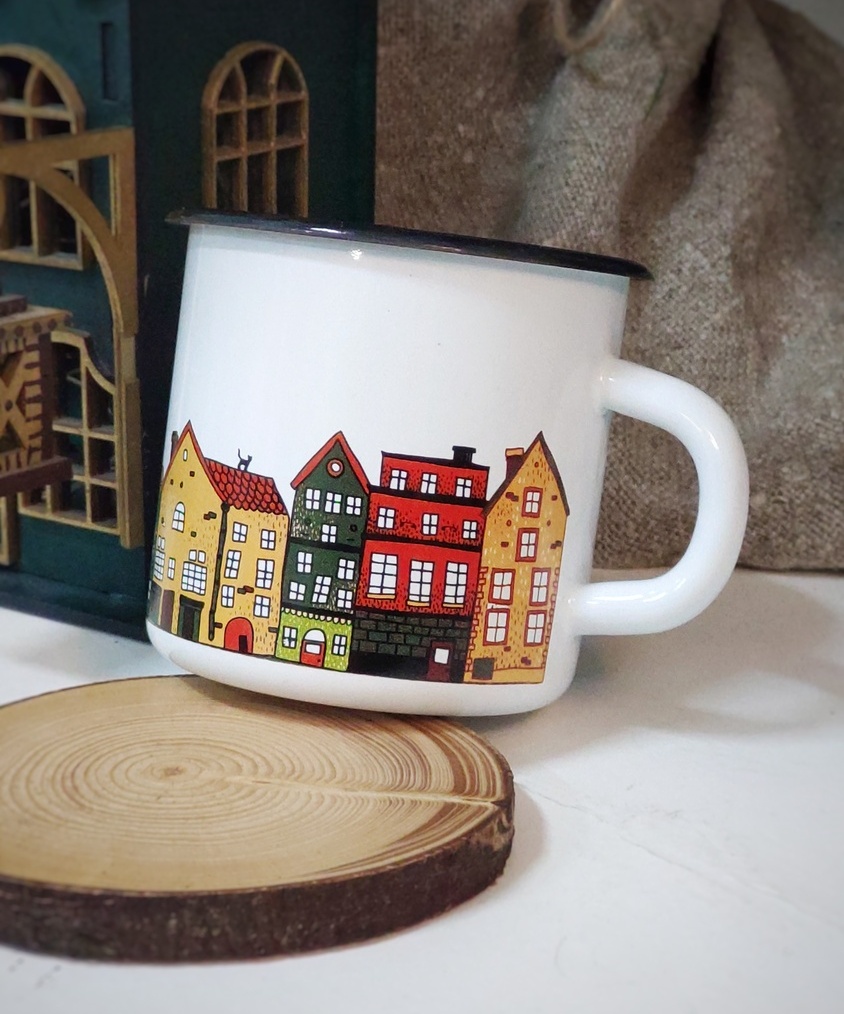
Packing kitchenware takes a little more care than packing clothes or linens. Plates can crack under pressure, glassware can shatter when pieces knock together, and mug handles are especially vulnerable to impact. The good news is that you don't need complicated equipment to protect them. The right materials, a sturdy box, and a little patience go a long way.
1. Gather the Right Packing Materials
Before you start, set aside everything you'll need. Stopping halfway through to look for more packing paper can leave fragile dishes sitting out or tempt you to rush.
- Sturdy moving boxes: Choose boxes that are clean, dry, and in good condition. Small or medium boxes are usually easier to carry when filled with dishes.
- Packing paper: Use unprinted packing paper to wrap plates, glasses, and mugs individually.
- Bubble wrap: Add it for particularly fragile pieces, delicate glassware, or items with unusual shapes.
- Packing tape: Reinforce the bottom of each box before adding anything.
- Markers and labels: Mark the box as fragile and identify the room it belongs in.
Kitchen towels and clean linens can provide extra cushioning in some situations, but they shouldn't replace proper wrapping for delicate glassware or valuable pieces.
2. Prepare Each Box Before Packing
Start by taping the bottom of the box securely. Don't rely on the original seams alone, especially if the box will carry heavy plates or several pieces of glassware.
Make a cushioning layer across the bottom using crumpled packing paper or a suitable piece of protective material. This helps absorb minor bumps and keeps the dishes from resting directly against the cardboard.
Choose a box you can lift comfortably once it's full. A large box packed with heavy dishes may be difficult to carry safely and more likely to be dropped. It's better to use a few manageable boxes than to put all your kitchenware into one oversized container.
3. Wrap Plates Individually
Plates may look sturdy, but they can crack if they knock against each other or carry too much weight in the wrong position.
- Lay a sheet of packing paper on a flat surface.
- Place one plate in the center and fold the paper around it, covering the entire surface.
- Add another sheet if the plate is delicate or particularly valuable.
- Repeat with each plate rather than stacking several together and wrapping them as one bundle.
When placing plates in the box, stand them vertically on their edges, much like records in a crate, rather than laying them flat in a tall stack. Add cushioning between the plates and around the sides so they can't shift. Avoid placing heavy items on top of them.
4. Protect Glasses, Mugs, and Handles
Glasses and mugs need individual attention, particularly around their rims, stems, and handles. These are often the most vulnerable parts when items are bumped or pressed together.
For everyday glasses
- Wrap each glass separately with packing paper.
- Pay particular attention to the rim and base.
- For thin or delicate glassware, add a layer of bubble wrap over the paper.
- Place glasses upright in the box when practical, with cushioning between and around them.
For mugs and cups
- Wrap the body of each mug first.
- Fold extra paper around the handle to cushion it from side impacts.
- Make sure the handle is fully covered and doesn't press directly against another item.
- Place each mug snugly in the box, with protective material separating it from neighboring pieces.
For stemware and delicate glasses
Wine glasses and other stemmed pieces need extra care around the stem and bowl. Wrap the stem gently, then cover the entire glass. Use additional cushioning and avoid putting pressure on the rim. If you have specially designed dividers for glassware, they can help keep pieces separated during the move.
5. Fill Empty Spaces Inside the Box
Even well-wrapped dishes can break if they slide around during transport. Once you've arranged the contents, fill gaps along the sides, between items, and at the top with crumpled packing paper or other suitable cushioning.
Check the box gently. If you can feel the contents shifting when you move it slightly, add more cushioning. At the same time, don't force extra material into the box or press down on the dishes. The goal is to keep everything secure without creating unnecessary pressure.
Keep heavier pieces toward the bottom and lighter, more delicate items toward the top. Never assume that wrapping alone will protect a glass or mug if it's left loose inside the box.
6. Seal and Label the Box Clearly
Once everything is packed, close the box without pressing down on the contents and tape the top securely. Write FRAGILE and KITCHEN on the box, and add a short description such as DISHES or GLASSWARE.
Label more than one side so the information remains visible when boxes are stacked. Clear labels help movers recognize fragile kitchenware and help you find the right boxes when it's time to unpack.
If the box contains a particularly meaningful or delicate item, make a note of it so you remember to unpack it carefully. Still, don't rely on a label alone to protect fragile items. Good wrapping and secure packing matter most.
7. Pack Kitchenware in the Right Order
Start with items you won't need before moving day, such as special-occasion dishes, extra mugs, and serving platters. Keep a small set of everyday plates, cups, and glasses available until closer to the move.
Pack the remaining kitchenware in manageable boxes and keep related items together when possible. You may want to unpack the coffee mugs and everyday glasses first, while less frequently used serving dishes can wait.
If you're packing over several days, label completed boxes immediately. That way, you won't have to reopen them later to remember what's inside.
Common Mistakes to Avoid
- Wrapping several dishes together: Each plate, glass, and mug should have its own protective layer.
- Leaving handles exposed: Mug handles can snap if they strike another item or the side of the box.
- Using a box that's too large: Heavy boxes are harder to lift and can allow their contents to shift.
- Leaving gaps: Loose items can collide even when individually wrapped.
- Overpacking: Too much weight or pressure can damage dishes near the bottom.
- Forgetting to reinforce the bottom: A box full of kitchenware needs a securely taped base.
- Rushing the process: Taking a little extra time to wrap and cushion each piece can prevent damage and disappointment later.
Need Help Packing for Your Move?
Packing a kitchen takes time, especially when you have a collection of fragile glassware, everyday dishes, and items with sentimental value. If you'd rather leave some or all of the packing to professionals, FairPlay Moving can help with packing and unpacking as part of your move in Chicago and surrounding suburbs.
Whether you need help with the entire home or just the more delicate items, you can discuss your packing needs in advance and arrange the level of assistance that works for you.
Make Moving Day Easier
Let FairPlay Moving help you prepare your belongings for the trip to your new home.
Explore Packing Services