
How to Prepare Appliances for a Move: A Refrigerator, Washer, and More
Household appliances can be damaged during a move even when they look sturdy on the outside. Water may remain inside a refrigerator, a washing machine's drum may need to be secured, and loose cords or hoses can get caught during loading. Simply unplugging everything and putting it on the moving truck isn't always enough. A little preparation beforehand can help you avoid damage and unexpected problems when you arrive at your new home.
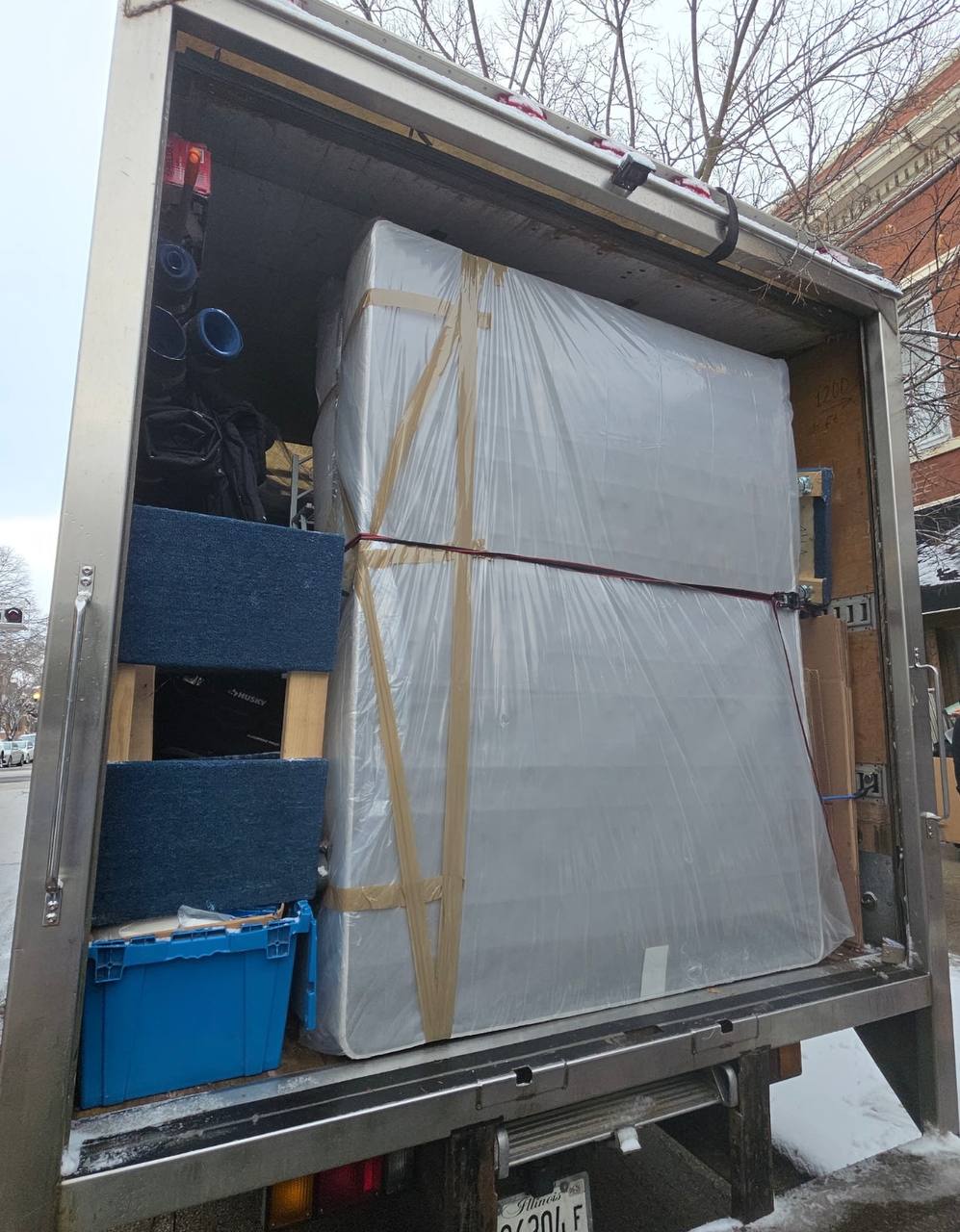
The best way to prepare appliances is to start early and follow the manufacturer's instructions for each model. Some appliances need time to defrost, drain, or dry completely. Others require special hardware to keep internal components secure during transport. This guide explains how to prepare common household appliances, what details are easy to overlook, and when it's best to bring in a professional.
1. Start Preparing Your Appliances Early
Don't leave appliance preparation until the last few hours before moving day. A refrigerator may need time to defrost, and washing machines and dishwashers may retain water even after a cycle has finished.
Before you begin:
- Check the manufacturer's instructions, especially for built-in appliances and models with specific transportation requirements.
- Take photos of hose connections, cables, and other connections before disconnecting them. These photos can make reinstallation easier later.
- Gather packing materials, protective padding, bags for small parts, and packing tape.
- Disconnect appliances from their power sources before handling cords or preparing them for transport.
- Measure doorways, hallways, stairwells, and tight turns along the route out of your home.
A small tip that can save you time: Put screws, brackets, adapters, and other small parts in labeled bags. Note which appliance each bag belongs to, then keep the bags together in a clearly labeled box or securely attach them to an appropriate, non-delicate part of the appliance. Don't leave loose hardware inside the appliance, where it could get lost or damage internal components.
2. How to Prepare a Refrigerator and Freezer
Refrigerators need extra attention before a move. Food, ice, and water must be removed, and shelves and drawers need to be secured so they don't slide around during transport.
Follow these steps:
- Empty the refrigerator and freezer. Plan ahead for perishable and frozen food you won't be able to take with you.
- Unplug the appliance. Do this early enough to allow the freezer to defrost if necessary.
- Remove ice and standing water. Never use sharp objects or tools to speed up defrosting, as they can damage interior surfaces or components.
- Clean and dry the interior. Remove food residue and moisture to help prevent unpleasant odors during transport.
- Remove or secure shelves and drawers. Wrap removable pieces separately. If the manufacturer's instructions allow them to remain inside, make sure they cannot shift.
- Secure the power cord and doors. Coil the cord carefully without sharply bending it. Secure the doors so they won't swing open while the refrigerator is being moved.
Make sure the refrigerator is fully dry before transport. If you're defrosting it ahead of time, leave the doors slightly open while it dries, provided this is safe and practical.
Can You Move a Refrigerator on Its Side?
Whenever possible, transport a refrigerator upright. Laying it on its side or tilting it excessively can affect the compressor and the movement of oil within the system. The manufacturer's instructions determine whether a different position is acceptable.
If upright transport isn't possible, check the manual before deciding how to position the refrigerator. Don't guess which side it should rest on. After delivery, follow the manufacturer's guidance on how long to let the appliance stand before plugging it in.
3. How to Prepare a Washing Machine
Washing machines are heavy, and their internal drums and suspension systems can be damaged if the appliance isn't transported properly. One of the most important steps is securing the drum with the shipping bolts supplied for models that require them.
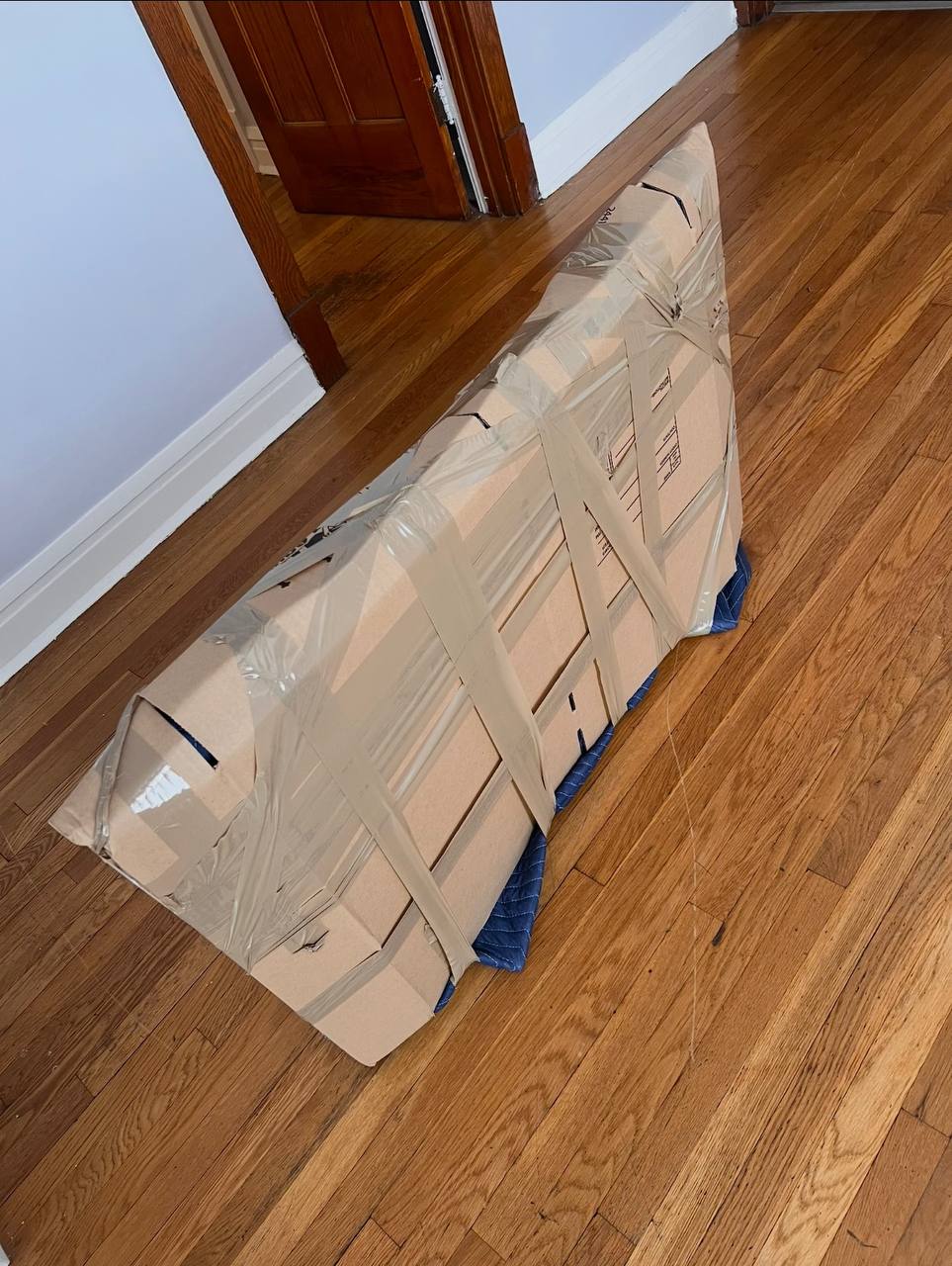
Before moving day:
- Run a cleaning cycle if recommended. Once the cycle is complete, unplug the machine.
- Turn off the water supply. Close the supply valve before disconnecting the inlet hose.
- Drain any remaining water. Use the drain filter or emergency drain hose specified in the manual. Keep a shallow container and towels nearby because water may still be trapped inside.
- Disconnect the drain hose. Allow the remaining water to drain, then secure the hose so it won't drag or snag.
- Install the shipping bolts if required. These bolts secure the drum during transport. Use the correct hardware for your model.
- Protect the exterior. Cover the cabinet with suitable padding, paying particular attention to corners and protruding parts.
- Secure the hoses and power cord. Keep them neatly positioned so they don't catch on other items during loading or unloading.
Important: If your washing machine requires shipping bolts, don't transport it with the drum unsecured. If you've lost the original bolts, check with the manufacturer for the correct replacements rather than improvising.
After delivery, remove the shipping bolts before using the machine if the manufacturer's instructions require it. Leaving them installed during normal operation can damage the appliance.
4. How to Prepare a Dryer
Preparation depends on the type of dryer you have. Electric dryers, gas dryers, and condenser or heat-pump models can have different requirements.
- Unplug the appliance from its power source.
- Clean the lint filter.
- Remove accessible lint and debris according to the manufacturer's instructions.
- Empty the condensate tank if your model has one.
- Disconnect and secure the vent hose or drain hose, if applicable.
- Protect the door and exterior surfaces from impacts.
If your dryer is connected to a gas line, don't disconnect the gas connection yourself unless you're qualified to do so. Arrange for a qualified professional to handle the disconnection safely.
5. How to Prepare a Dishwasher
A dishwasher can retain water in its filter, drain system, and hoses even after a cycle ends. Before moving it, you need to empty the appliance and follow the manufacturer's instructions for draining and disconnecting it.
- Remove all dishes and any removable racks or accessories that can be taken out safely.
- Run a cleaning cycle if needed, then unplug the dishwasher.
- Turn off the water supply.
- Disconnect the water inlet and drain hoses according to the manual.
- Remove accessible standing water using the method specified by the manufacturer.
- Protect the door and secure loose cords and hoses.
If the dishwasher is built into your kitchen cabinets, removing it may involve releasing mounting brackets and removing a decorative panel. Don't pull the appliance out by force, as this can damage the cabinetry, hoses, or electrical connections.
For built-in appliances, it's often best to arrange professional disconnection and removal in advance.
6. How to Prepare a Microwave, Oven, and Small Appliances
Smaller appliances need protection, too. Doors, glass turntables, trays, and detachable accessories can break if they're left loose during transport.
Microwave
- Unplug the microwave and clean the interior.
- Remove the glass turntable and roller ring.
- Wrap removable components separately with protective material.
- Secure the power cord and protect the door from accidental impacts.
Oven
Make sure the oven is completely cool and disconnected from its power source. Remove racks, trays, and other detachable components if the manufacturer's instructions allow it, then pack them separately.
If the oven is built in, arrange professional removal when necessary, particularly if it has a gas connection or a complex electrical installation.
Coffee Makers, Blenders, and Other Small Appliances
- Empty water reservoirs if required by the manufacturer's instructions.
- Clean and dry removable containers.
- Remove blades, attachments, and other loose components that could move around inside the packaging.
- Wrap each appliance individually.
- Place small parts in labeled bags and keep them with the corresponding appliance.
Coffee machines with boilers, filters, or internal water systems may need special preparation before transport or extended storage. Follow the instructions for your specific model.
7. How to Pack Appliances for Moving
Even a properly prepared appliance can be damaged if it shifts inside the truck or strikes other items. Secure packing and careful handling are essential.
- Keep the original packaging when possible. It may include custom inserts designed to protect your specific model.
- Protect corners and protruding parts. These areas are particularly vulnerable when moving appliances through doorways and loading them onto a truck.
- Keep protective materials away from internal components. Exterior wrapping should protect the appliance without obstructing ventilation or damaging parts.
- Secure doors and removable components. Nothing should swing open or shift during transport.
- Never place heavy items on top of appliances. The cabinet may not be designed to support the extra weight.
- Use appropriate moving equipment. Refrigerators and washing machines are difficult to handle safely without suitable dollies, lifting equipment, and enough trained helpers.
Before loading, confirm that the appliance is positioned correctly for transport. Never lift it by its door, handles, hoses, or power cord.
Planning the route out of your home is just as important as packing. If you're preparing for a larger move, our guide on how to prepare furniture for moving covers additional steps for protecting large household items. You can also review our step-by-step guide to packing for a move for tips on organizing and protecting the rest of your belongings.
8. What to Check After Delivery
Don't rush to plug in every appliance as soon as it arrives at your new home. Take a few minutes to inspect each item first.
- Check the exterior, doors, cords, and accessible connections for visible damage.
- Make sure the appliance is stable and positioned according to the manufacturer's instructions.
- Confirm that required shipping bolts or other transport restraints have been removed before operation.
- Reconnect water, electricity, and other utilities according to the manual. Use a qualified professional when needed.
- For refrigerators, follow the manufacturer's guidance on positioning and the waiting period before switching the unit on.
- When first running a washing machine or dishwasher, check for leaks, unusual noises, or other signs of a problem.
If an appliance has taken a hard impact, has a damaged power cord, shows signs of a leak, or has a visibly deformed cabinet, don't turn it on until it has been checked by a qualified technician.
9. Common Appliance Moving Mistakes to Avoid
- Disconnecting everything at the last minute. Refrigerators may need time to defrost and dry.
- Leaving water inside appliances. Residual water can leak during transport.
- Ignoring shipping bolts. Some washing machines require them to secure the drum.
- Assuming every appliance can be transported on its side. The correct position depends on the model.
- Leaving removable parts inside. Shelves, glass trays, and accessories can break or damage the appliance.
- Disconnecting gas lines without proper qualifications. Gas connections should be handled by a qualified professional.
- Moving heavy appliances without the right equipment. Improper lifting increases the risk of injury and property damage.
Need Help With Your Move?
Preparing household appliances takes time, attention to detail, and a plan for moving heavy items safely. You also need to think about the path out of the home, protecting doorways, and loading each appliance in a way that minimizes bumps and scratches.
FairPlay Moving helps homeowners and renters move in Chicago and surrounding suburbs, with careful loading and unloading as part of the moving process. If you need help getting your belongings ready, you can also ask about professional packing and unpacking services and discuss which items need extra attention before moving day.
Proper preparation and careful handling make it easier to get your appliances to your new home and settle in with fewer surprises.
Planning a Move in Chicago?
Talk with FairPlay Moving about your move, the items you're transporting, and the help you need on moving day.
Explore Residential Moving Services