
How to Prepare Your Apartment for Movers: Elevators, Stairs, Parking and Access
Preparing an apartment for movers involves more than packing your belongings. Before moving day, you should confirm building access, elevator arrangements, parking or loading space, stairs, hallway access, and any requirements set by your building management. These details determine how easily the moving crew can reach your belongings and how efficiently the move can proceed.
This is especially important in Chicago, where many apartment and condo buildings have controlled entrances, limited loading areas, freight elevators, parking restrictions, or specific move-in and move-out procedures.
A well-prepared apartment allows the movers to spend their time doing what you hired them to do: safely handling, loading, transporting, and unloading your belongings.
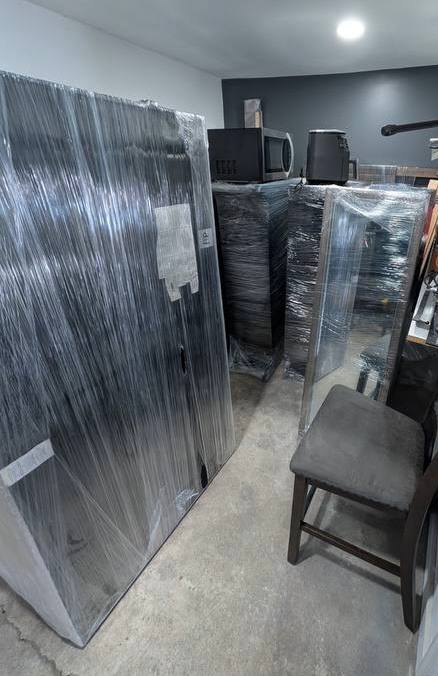
Start With Your Building's Moving Requirements
The first step is to find out exactly how your building handles moves. Do not wait until moving day to discover that the elevator must be reserved or that the building only allows moves during certain hours.
Ask your building management, landlord, property manager, or condo association about the procedures that apply to your move.
Important details may include:
- whether a move must be scheduled in advance;
- whether an elevator reservation is required;
- whether a freight elevator is available;
- which entrance movers should use;
- where the moving truck can load;
- whether there is a designated loading area;
- whether there are restrictions on moving hours;
- whether a certificate of insurance is required;
- whether there are building-specific rules for protecting floors or walls;
- whether there are restrictions on truck size or vehicle access.
Building policies can vary significantly, so the requirements for one Chicago apartment may not apply to another.
The safest approach is to get the information directly from the building before scheduling the moving logistics.
Reserve the Elevator in Advance
Elevator access can be one of the most important parts of an apartment move.
If your building requires an elevator reservation, make that reservation as early as possible and confirm the exact time window.
Find out whether you will be using:
- a passenger elevator;
- a freight elevator;
- a service elevator;
- a designated moving elevator.
A freight elevator is generally preferable when the building provides one because it is designed for service and moving activity. However, availability and building rules determine whether it can actually be used for your move.
Why Elevator Timing Matters
A moving crew may arrive ready to begin, but the move can be delayed if the elevator is unavailable.
For example, imagine that movers arrive at 9:00 AM but the elevator reservation does not begin until 10:00 AM.
The crew may have to wait before they can efficiently start moving furniture and boxes through the building.
The same problem can occur at the destination.
If you are moving into a building with a reserved elevator window, your arrival time and unloading process should be planned around that access period.
Confirm the Reservation
Do not rely only on a verbal conversation several days earlier.
Before moving day, confirm:
- date;
- start time;
- end time;
- elevator location;
- entrance to use;
- any access code or key;
- building contact;
- parking or loading instructions.
Having these details ready makes communication with the moving crew much easier.
Understand the Difference Between Passenger and Freight Elevators
A building may have several elevators, but that does not mean movers can use whichever one is available.
A passenger elevator may have restrictions on:
- furniture size;
- weight;
- protective coverings;
- operating hours;
- access.
A freight or service elevator may be specifically designated for deliveries and moves.
If the building requires movers to use a particular elevator, communicate that information before moving day.
Large furniture can also create challenges when elevator dimensions are limited.
If you have oversized furniture, measure the relevant pieces and consider the route from the apartment to the elevator.
The elevator is only one part of that route.
Check the Hallways and Building Access
Movers need a continuous path from your apartment to the moving vehicle.
Before moving day, consider:
- hallway width;
- doorways;
- corners;
- staircases;
- elevator doors;
- lobby layout;
- entrance doors;
- access-controlled doors.
This becomes particularly important with large furniture.
A sofa that fits comfortably inside your apartment may still encounter problems at a narrow doorway, tight hallway corner, or elevator entrance.
If you know that a particular item is unusually large, tell the moving company in advance rather than waiting until the crew is standing in the apartment.
Measure Large Furniture Before Moving Day
One of the most useful preparation steps is to identify furniture that may be difficult to move through the building.
Pay particular attention to:
- sofas;
- sectional couches;
- large beds;
- wardrobes;
- dining tables;
- bookcases;
- oversized cabinets;
- large appliances.
Measure the furniture and compare the dimensions with the relevant doorways, hallways, staircases, and elevator entrances.
Remember that the route matters as much as the destination.
A piece of furniture does not need to fit through a doorway in a straight line. Movers may need to angle or rotate it through a turn, which means the available space around the doorway also matters.
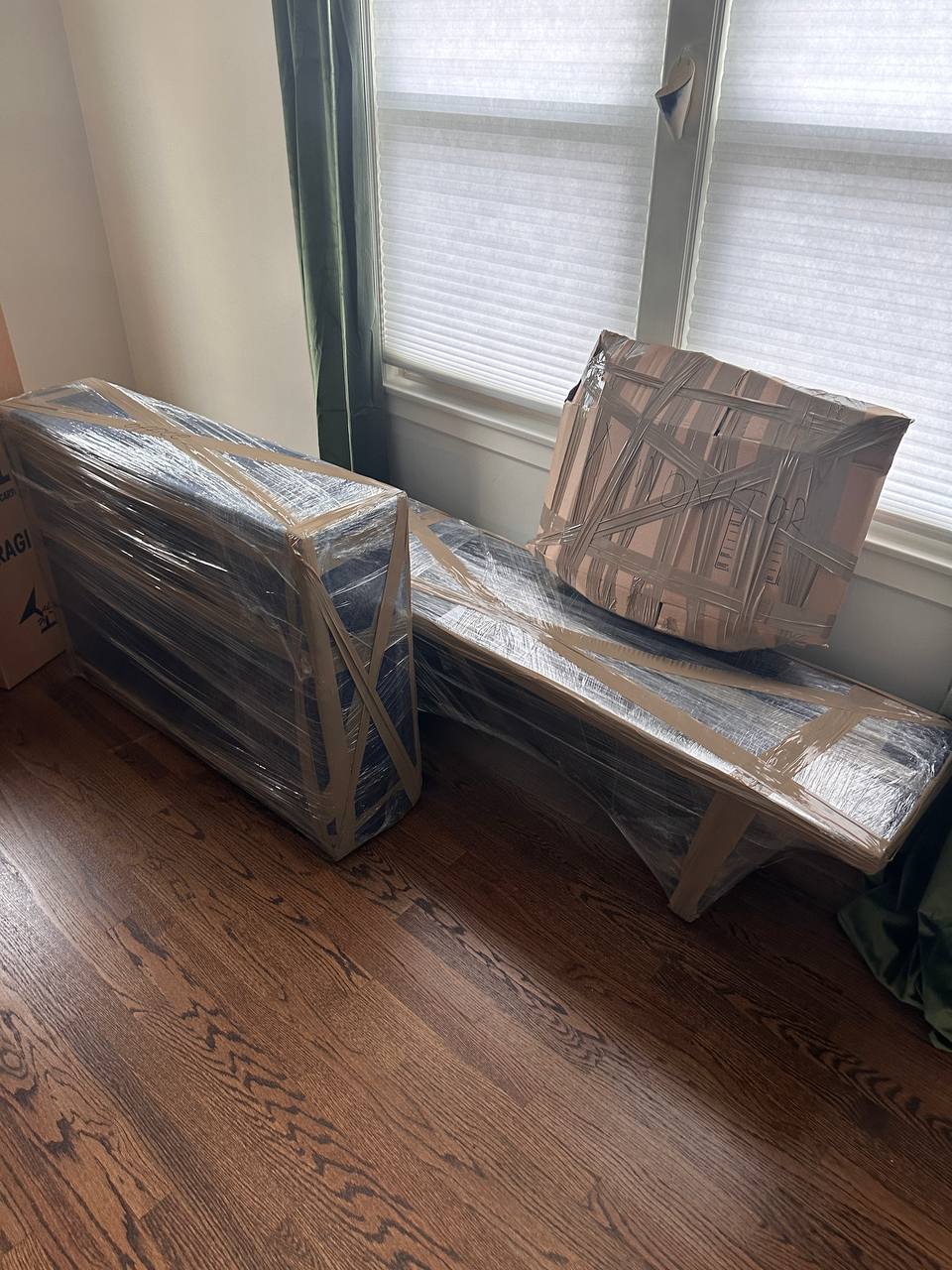
Think About Stairs
Stairs become particularly important when:
- there is no elevator;
- the elevator cannot accommodate a particular item;
- the building requires certain floors to be accessed by stairs;
- a large item cannot safely use the elevator;
- there are stairs between the apartment and the building entrance.
Before moving day, determine how many flights of stairs are involved and whether there are narrow turns or landings that could affect furniture handling.
You should also tell the moving company about stair access when requesting a quote or discussing the move.
A fourth-floor walk-up is a very different logistical situation from a ground-floor apartment with direct access to a loading area.
Prepare the Apartment Itself
Once the building logistics are confirmed, prepare the inside of the apartment.
The objective is simple: create a clear path from each room to the exit.
Remove unnecessary obstacles from:
- hallways;
- doorways;
- areas around large furniture;
- entrances;
- paths to the elevator or stairs.
If you have already packed boxes, place them somewhere they will not block the route.
Avoid creating a wall of boxes directly in front of the main exit.
The moving crew needs enough space to carry furniture and boxes safely without repeatedly moving obstacles out of the way.
Keep Pets and Children Out of the Moving Path
Moving day creates an unusually active environment.
Doors may remain open, furniture is being carried through hallways, and people are moving between the apartment, elevator, and truck.
For safety and practical reasons, children and pets should have a designated area away from the main moving path.
This also reduces interruptions.
A crew should not have to stop repeatedly because someone is walking through the doorway while a large piece of furniture is being carried.
Protect Items That Are Not Being Moved
If there are belongings that will remain in the apartment, make them clearly identifiable.
For example, you may have:
- a piece of furniture that is staying;
- boxes that are not part of the move;
- items belonging to a roommate;
- personal belongings that you are transporting separately.
Mark these items clearly so there is no confusion.
A simple "DO NOT MOVE" label can help, especially when several rooms are being emptied at the same time.
Prepare the Building Entrance
The building entrance is often the first point where moving logistics become complicated.
Make sure the movers know:
- which entrance to use;
- whether the entrance is locked;
- whether a key or access code is required;
- where to check in;
- whether there is a service entrance;
- whether the lobby has specific requirements.
If access requires a concierge, front desk, or building manager, make sure the relevant person knows about the scheduled move.
The goal is to avoid a situation where the moving crew arrives with a truck but cannot get the necessary access to the building.
Plan the Loading Area and Truck Parking
Truck access is another important part of apartment preparation.
The moving truck needs a practical place to load or unload as close to the building entrance as reasonably possible.
Chicago streets can make this more complicated, particularly around busy apartment buildings.
Before moving day, determine:
- where the truck can stop;
- whether there is a designated loading area;
- whether parking is restricted;
- whether your building has a loading dock;
- how far the crew will need to carry belongings;
- whether the building has specific instructions for moving trucks.
If a permit or reservation is required by your building or local authority, confirm the requirements in advance.
Do not assume that an open space directly outside the building will automatically be available when the truck arrives.
What If There Is No Convenient Parking?
Sometimes the truck cannot park directly next to the entrance.
In that situation, the distance between the truck and the building becomes part of the moving route.
A longer carry means movers have to transport furniture and boxes farther between the truck and the entrance.
This is one reason parking and loading arrangements should be considered before moving day.
If you know that the truck will have to park farther away, tell the moving company.
The crew can then understand the access conditions before arriving.
Prepare for a Long Carry
A "long carry" means movers have to transport belongings a significant distance between the truck and the building entrance.
This can happen when:
- street parking is limited;
- the building has a long driveway;
- the loading area is not directly beside the entrance;
- the building entrance is set back from the street;
- a designated loading area is located elsewhere.
The important thing is not simply the distance itself.
The route may include:
truck → sidewalk → entrance → lobby → elevator → hallway → apartment
Every additional section can affect the time and effort required to move the belongings.
Check Whether a COI Is Required
Some apartment buildings, condos, and property managers require a certificate of insurance before allowing a moving company to operate on the property.
If your building requires one, find out exactly what information the management company needs.
Do this before moving day rather than when the movers arrive.
Ask your building management:
- whether a COI is required;
- who should be listed;
- whether there is a specific wording requirement;
- when it must be submitted;
- where it should be sent.
If a certificate is required, coordinate it with the moving company in advance.
Prepare Doors, Floors, and Common Areas
Some buildings have specific requirements for protecting common areas during a move.
These may include:
- elevator walls;
- floors;
- lobby surfaces;
- door frames;
- hallway walls.
The building may provide protective materials or may require the moving company to use them.
Do not assume that every building has the same procedure.
Ask management what is required and communicate the information to the movers.
What Should Be Ready Before Movers Arrive?
Ideally, the apartment should be as close to "ready to move" as possible before the crew arrives.
That means:
- packing is substantially complete unless you booked packing service;
- personal essentials are separated;
- belongings that are not moving are clearly marked;
- hallways are clear;
- doors are accessible;
- elevator arrangements are confirmed;
- building access is arranged;
- parking or loading instructions are understood;
- large or unusual furniture has been identified.
This does not mean every detail needs to be perfect.
It means the crew should be able to begin the agreed moving work without first having to solve basic access problems.
What If You Are Using Partial Packing?
If you have chosen partial packing, preparation should reflect the exact division of responsibilities.
For example, you may have packed:
- clothing;
- books;
- linens;
- personal belongings.
Professional movers may still need to pack:
- kitchenware;
- glassware;
- artwork;
- fragile decorations.
In that situation, do not mix your packed belongings with items that still need professional packing.
Keep the scope clear so the crew can immediately identify what remains to be handled.
This is particularly helpful when the apartment has limited elevator or building access time.
What If You Are Moving Into a Chicago High-Rise?
High-rise moves often require more coordination because the route from the apartment to the truck can involve multiple controlled areas.
You may need to coordinate:
Apartment → hallway → freight elevator → lobby → loading area → truck
Each stage may have its own restrictions.
Confirm elevator reservations and building access before moving day, and make sure the moving crew knows the correct entrance and loading location.
If your building has a dedicated move coordinator or property manager, include that person in the planning process where appropriate.
What If You Are Moving Out of a Condo?
Condo buildings can have particularly specific move procedures.
The building may require advance scheduling, proof of insurance, elevator reservations, or a designated loading area.
Some buildings also limit moves to particular days or hours.
Do not assume that weekend access is automatically available.
Confirm the rules with your building management and make sure your moving appointment fits within the permitted window.
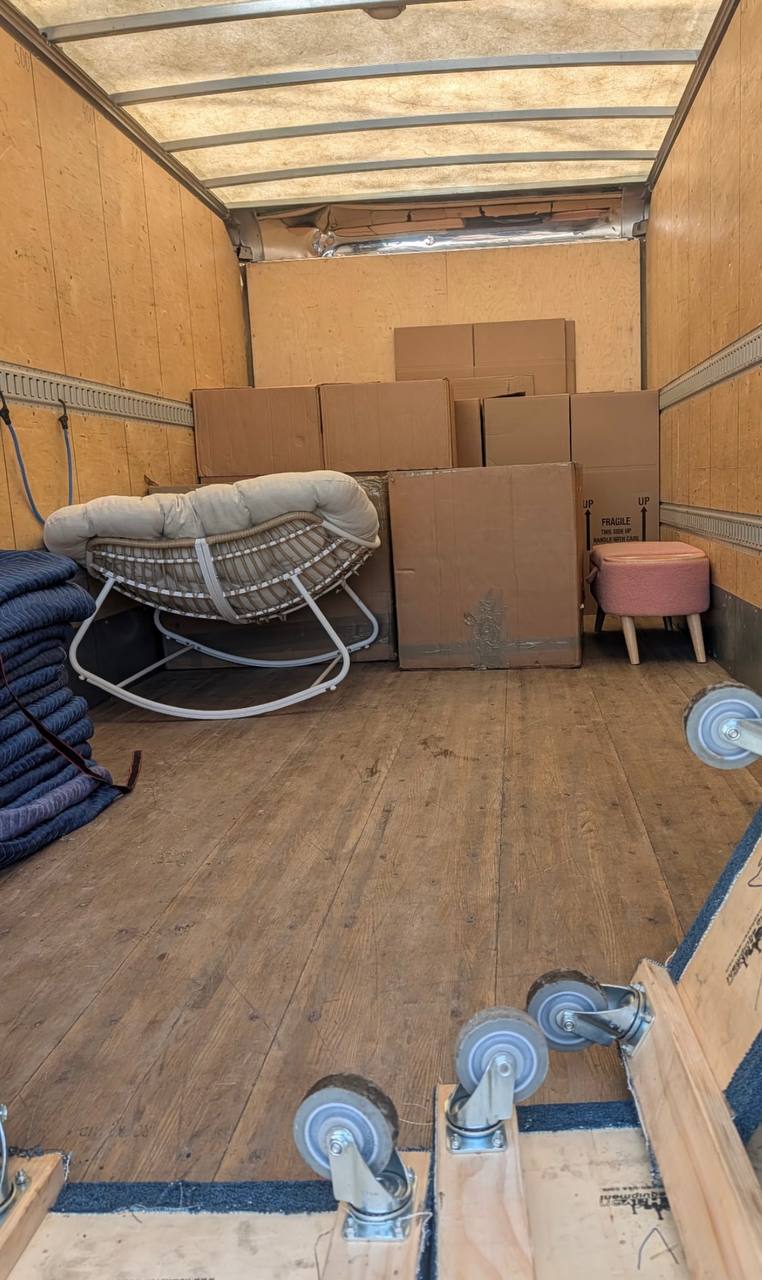
What If You Are Moving From a Walk-Up?
A walk-up apartment changes the physical route because stairs become part of the move.
Before the move, determine:
- number of flights;
- stair width;
- landing size;
- tight corners;
- doorway dimensions;
- whether large furniture can be safely maneuvered.
If a particular item is especially large, mention it when arranging the move.
A moving company needs to know the physical conditions of the property, not just the apartment's address.
The Day Before the Move
The day before the move should be about final preparation rather than discovering major logistical problems.
Confirm:
- moving date;
- arrival information;
- building access;
- elevator reservation;
- parking or loading arrangements;
- COI requirements, if applicable;
- contact information for building management;
- any special instructions.
Finish the belongings that you are responsible for packing.
Keep important personal items separate.
Clear the main pathways.
Make sure the movers can reach the belongings without unnecessary obstacles.
Moving Day: What to Do Before the Crew Arrives
On moving day, you should not need to spend the first hour figuring out the building's procedures.
Before the crew arrives:
- Make sure you have access to the apartment.
- Confirm the elevator is available if reserved.
- Make sure the loading area is accessible.
- Keep essentials and non-moving belongings separate.
- Clear the main paths.
- Keep children and pets away from the moving area.
- Identify any unusually large or delicate items.
- Make sure the building contact is available if necessary.
Once these basics are handled, the moving crew can begin the actual move.
A Simple Chicago Apartment Moving Checklist
Building
- Confirm moving rules.
- Reserve the elevator if required.
- Confirm moving hours.
- Check freight elevator availability.
- Ask about COI requirements.
- Confirm any floor, wall, or elevator protection requirements.
Parking and Access
- Confirm where the truck can load.
- Check parking or loading restrictions.
- Confirm the correct building entrance.
- Check for a loading dock if applicable.
- Tell the movers about long-carry conditions.
Apartment
- Clear hallways.
- Clear doorways.
- Separate belongings that are not moving.
- Identify oversized furniture.
- Finish your DIY packing.
- Separate essentials.
Moving Day
- Confirm elevator access.
- Confirm building access.
- Keep pets and children away from the moving path.
- Keep important personal belongings with you.
- Make sure the agreed packing and moving scope is clear.
The Most Common Apartment Moving Problems
Most apartment moving problems are not caused by the actual loading of furniture. They often begin earlier with incomplete building coordination.
Common examples include:
The Elevator Was Not Reserved
The movers arrive, but the building cannot provide elevator access at that time.
The Truck Cannot Load Where Expected
The customer assumes the truck can park directly outside the entrance, but the building has different loading instructions.
The COI Was Requested Too Late
Building management requires insurance documentation, but the request was not communicated before moving day.
Large Furniture Does Not Fit the Planned Route
A sofa or wardrobe cannot easily pass through a doorway, hallway, staircase, or elevator.
Too Many Belongings Remain Unpacked
The moving crew arrives and the apartment is not ready for the agreed moving work.
Each of these situations can usually be reduced or avoided through preparation.
The Best Way to Prepare an Apartment for Movers
The most effective apartment preparation is not about making the home look perfect. It is about removing obstacles that could slow down the moving process.
Before moving day, focus on five things:
Access: Can the movers enter the building and apartment?
Elevator: Is the correct elevator available at the scheduled time?
Parking: Can the truck load and unload efficiently?
Route: Can furniture and boxes move from the apartment to the truck without unnecessary obstacles?
Preparation: Are your belongings packed and clearly separated according to the agreed moving plan?
If the answer to all five is yes, you have addressed the most important logistical issues.
Final Takeaway
Preparing an apartment for movers means preparing the entire route, not just the rooms where your belongings are located.
Confirm the building's requirements, reserve the elevator when necessary, understand parking and loading conditions, check stairs and hallways, identify oversized furniture, and make sure the apartment is ready for the agreed moving work.
For Chicago apartment and condo moves, these details can make a significant difference because access is often controlled by the building rather than by the resident alone.
A few conversations with building management before moving day can prevent hours of unnecessary delays later.
The best moving day is one where the crew arrives, has clear access to the apartment, knows the route to the truck, and can immediately begin the work you planned together.